EN
What Are Common PAM Applications in Industry?
2026/11/18
Discover diverse polyacrylamide applications in industry to optimize paper machines, accelerate sugar clarification, and improve concrete rheology.
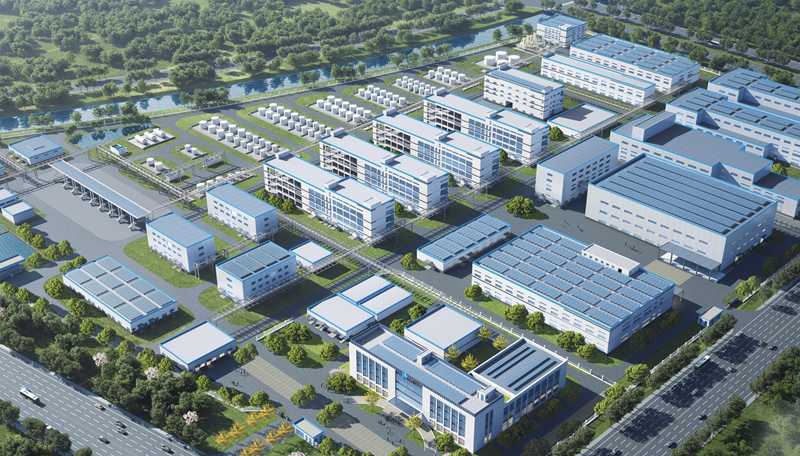
All production units and supporting facilities of the Phase I project, which is designed to produce 225,000 tons of water-soluble polymers and 220,000 tons of functional monomers annually by Feymer Technology (Anhui) Co., Ltd., have been fully completed. The project launched trial production on May 27, 2025. Since the designed production capacity has not been achieved yet, we apply to extend the trial operation period to May 26, 2026. Relevant information about project construction and environmental protection facilities is hereby publicized as follows:
1. Basic Environmental Information
The project is located in Anqing High-Tech Industrial Development Zone. We entrusted Suzhou Qingquan Environmental Protection Technology Co., Ltd. to conduct the environmental impact assessment on November 15, 2023, and obtained the official approval from Anqing Municipal Bureau of Ecology and Environment on November 25, 2023. The plant covers a total area of approximately 368 mu. All production facilities, utility systems and environmental protection facilities for Phase I have been completed.
2. Pollution Prevention & Control Facilities
Industrial wastewater is treated in the on-site sewage treatment station through regulating tank, hydrolytic acidification tank, AO process and MBR process. The qualified effluent is delivered to Yatong Environmental Protection West City Sewage Treatment Plant.
3. Solid Waste Disposal
A dedicated hazardous waste warehouse with an area of 720 square meters is built on site. All hazardous wastes are handed over to qualified third-party organizations for standardized disposal.
4. Noise Reduction Measures
Main noise sources include pumps, fans and other power equipment. We optimize equipment layout, install silencers and reinforce equipment bases. Noise is also reduced by plant greening and sound insulation. Regular inspection and maintenance are conducted to ensure stable operation of high-noise equipment.
5. Environmental Risk Prevention Facilities
Two emergency wastewater tanks (2,954 m³ and 4,700 m³) and one initial rainwater tank (4,900 m³) are constructed. Emergency wastewater and initial rainwater can be collected automatically without external discharge. Online monitoring and alarm devices for hazardous gas are installed, and strict management of hazardous waste is implemented. During trial operation, we will strengthen equipment maintenance to ensure stable discharge of pollutants and eliminate environmental risks.
6. Potential Risks & Countermeasures During Trial Operation
Inexperienced operation may lead to excessive discharge of wastewater and waste gas. We have formulated comprehensive solutions:
We will keep optimizing the operation and management of environmental facilities to guarantee long-term stable and qualified discharge during the whole trial production period.
2026/11/18
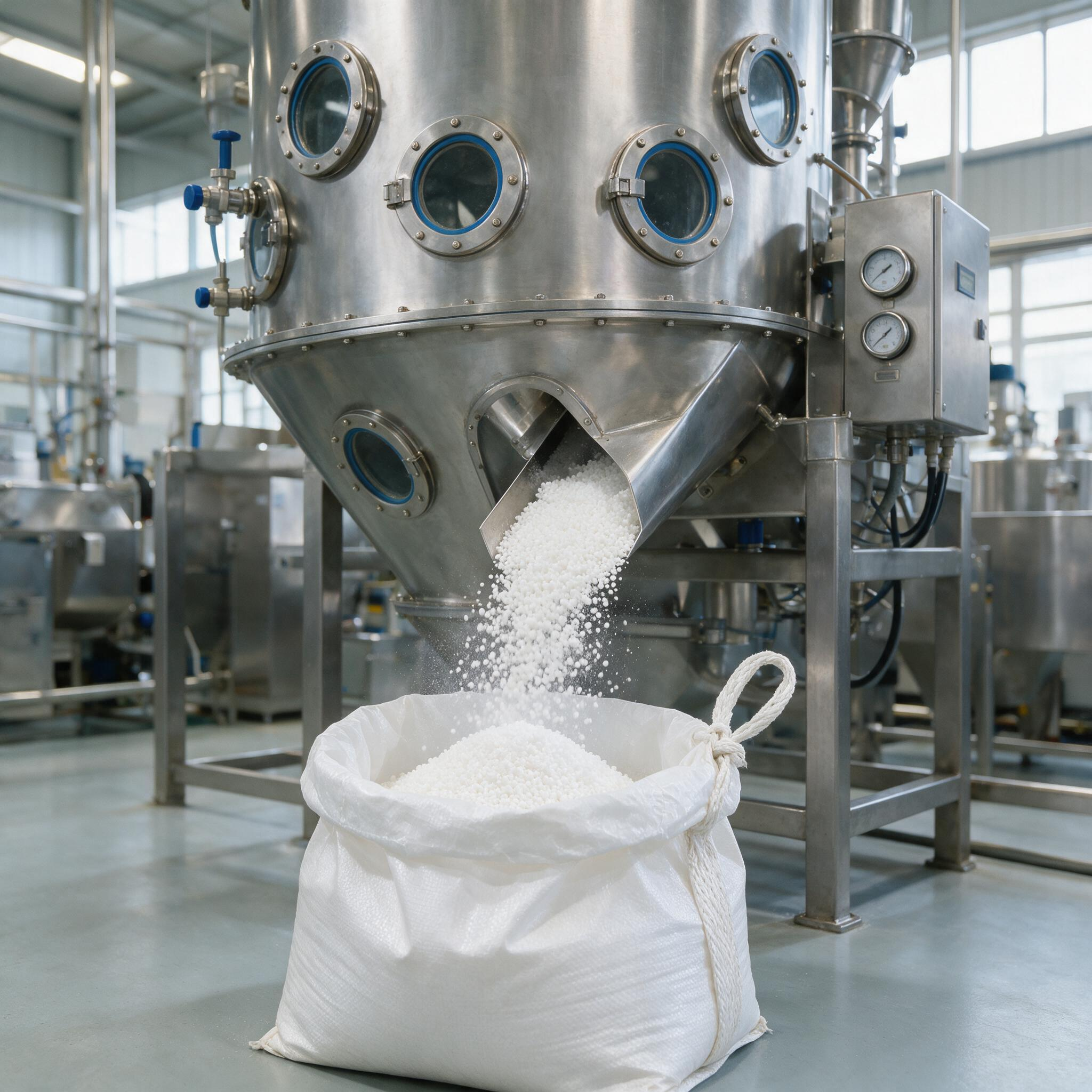
Discover diverse polyacrylamide applications in industry to optimize paper machines, accelerate sugar clarification, and improve concrete rheology.
2026/11/16
Explore how advanced oilfield chemicals maximize enhanced recovery via high-stability polymer flooding, viscoelastic sweep, and efficient friction reducers.
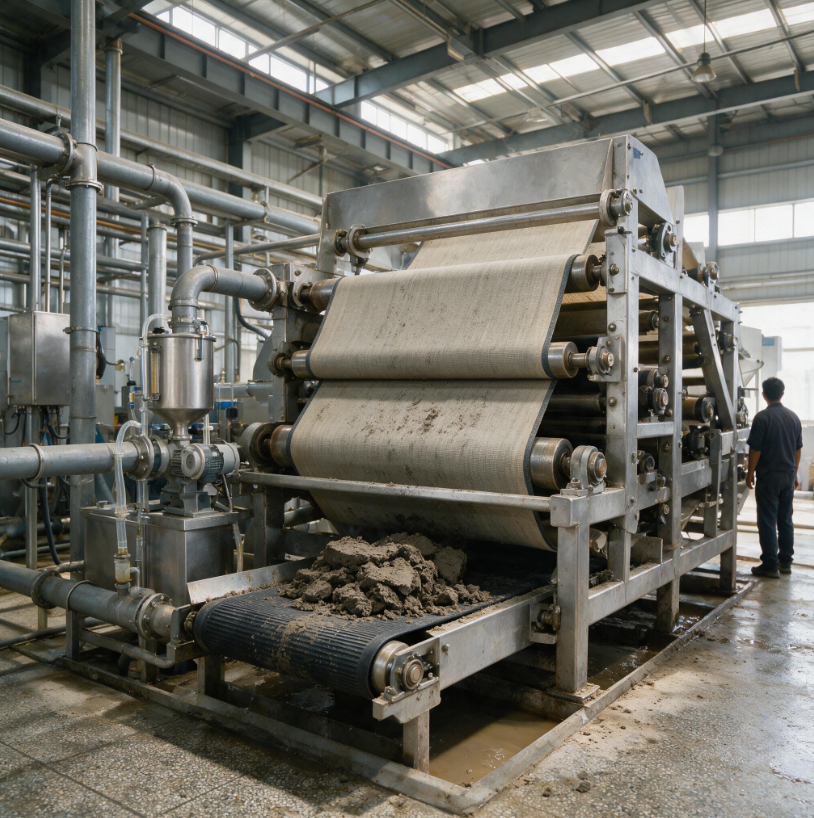
2026/11/12
Learn how coagulant remove impurities in water by neutralizing colloid charges, de-emulsifying oily waste, and minimizing chemical sludge.
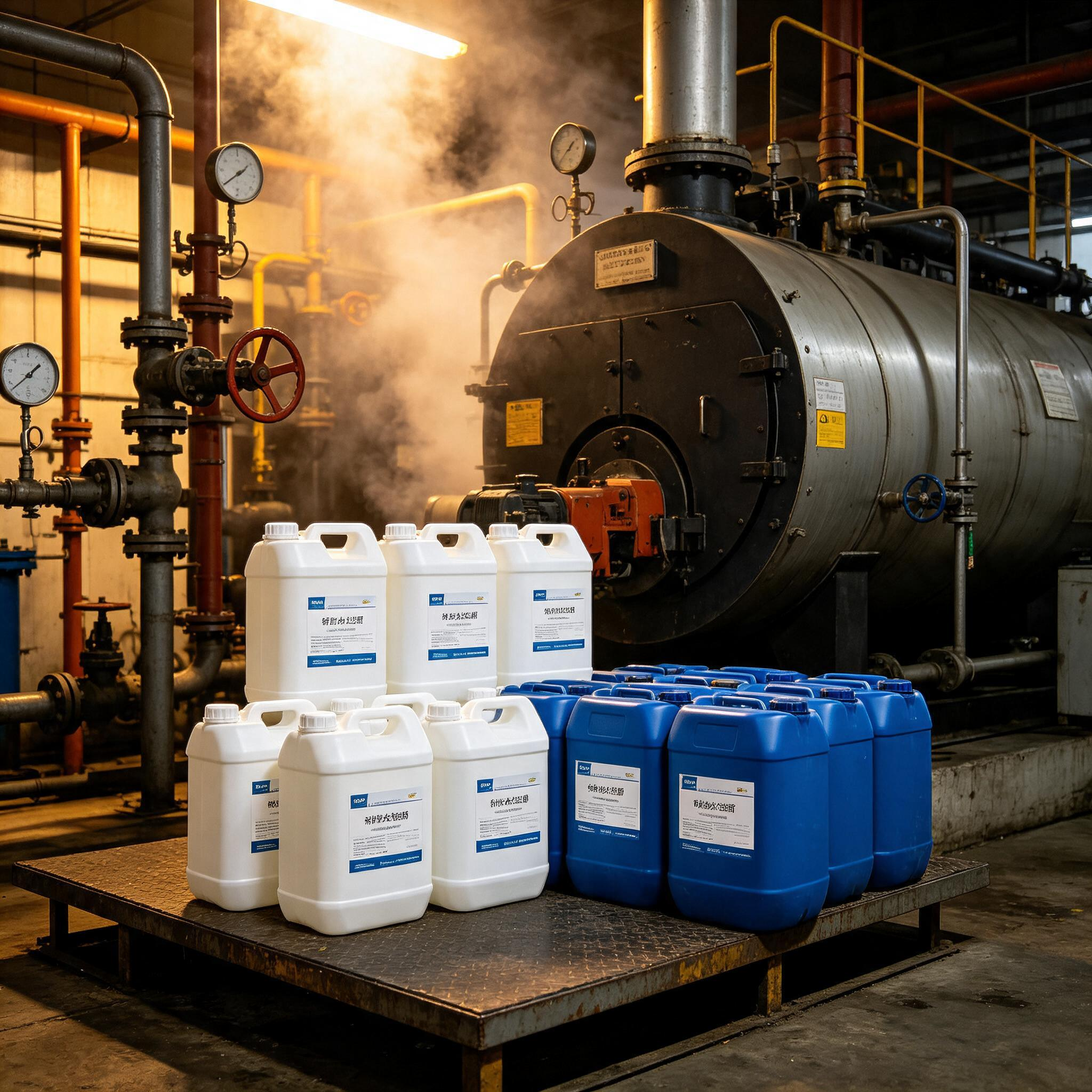
2026/11/10
Discover how advanced water treatment chemicals optimize primary clarification, prevent cooling tower scaling, and minimize industrial chemical sludge.
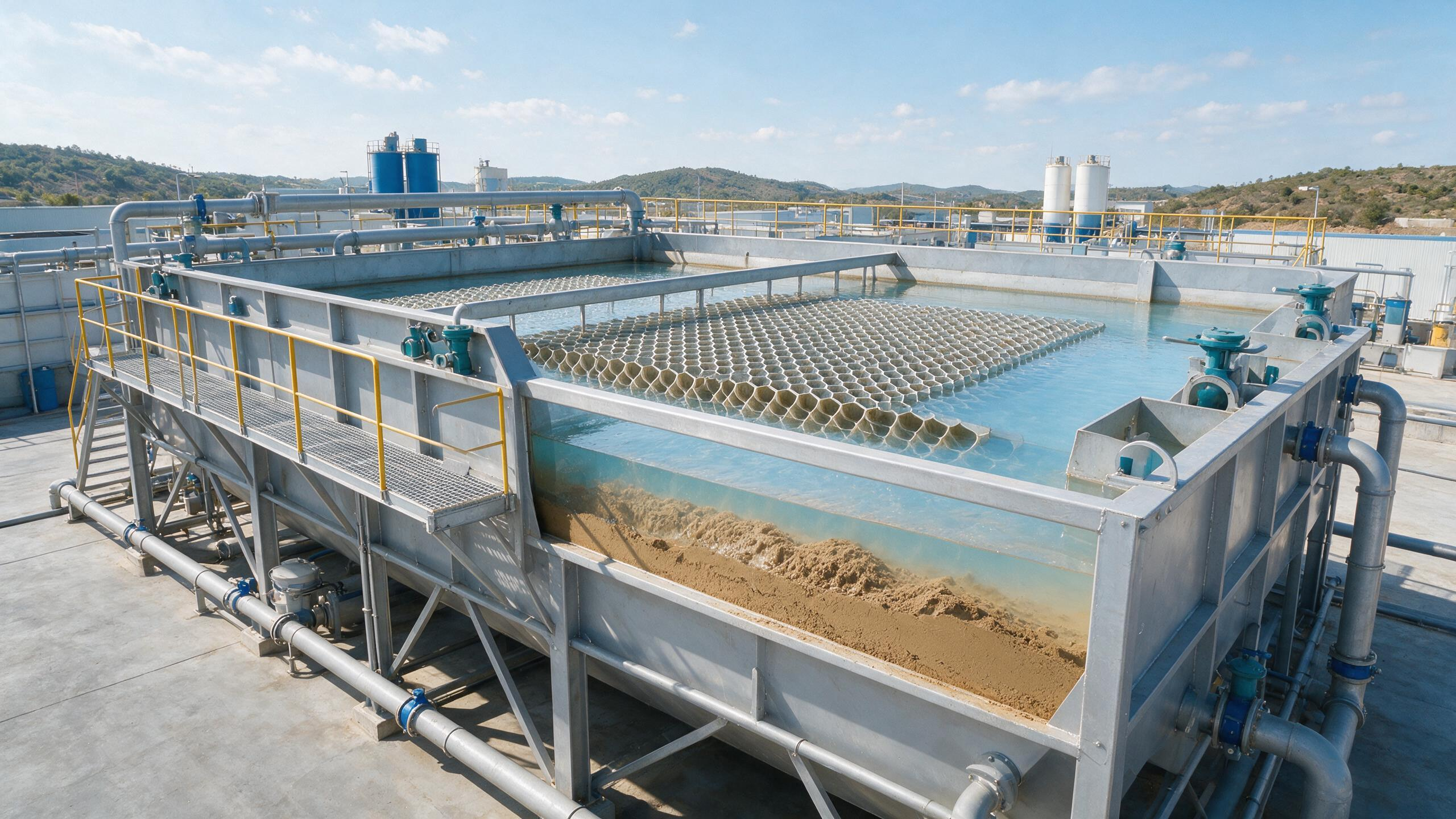
2026/11/04
Learn how anionic polymer accelerates the sedimentation process, boosts particle settling velocity, and removes suspended solids in industrial clarifiers.
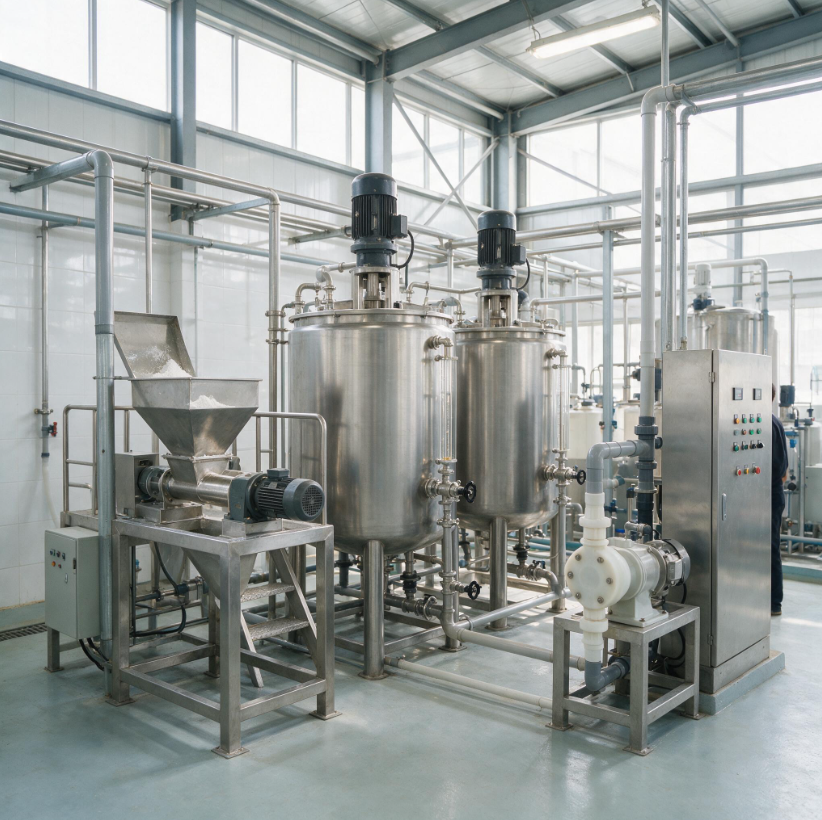
2026/10/19
Discover the benefits of using flocculant in sewage plants to stabilize the secondary clarifier, prevent sludge bulking, and boost phosphorus removal.