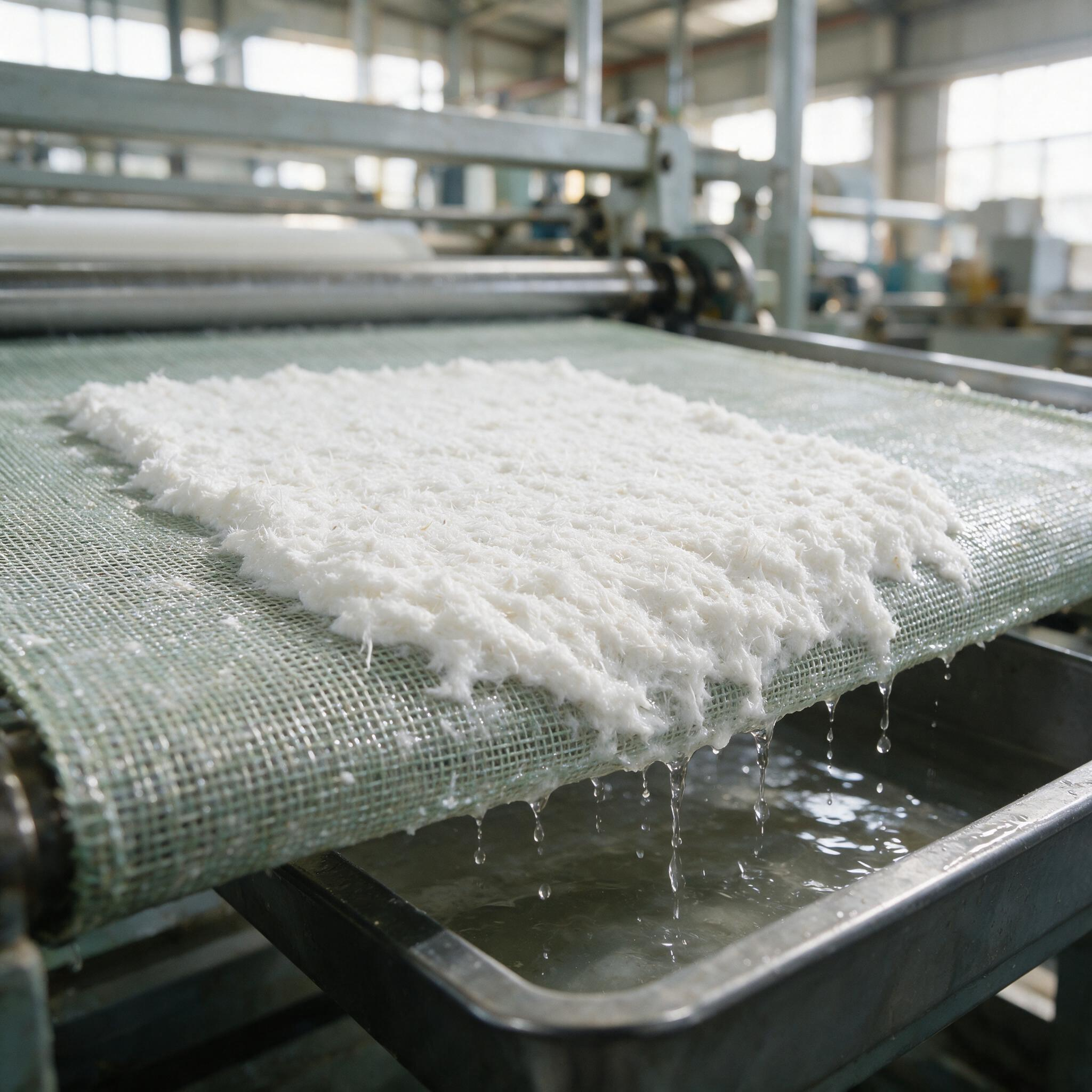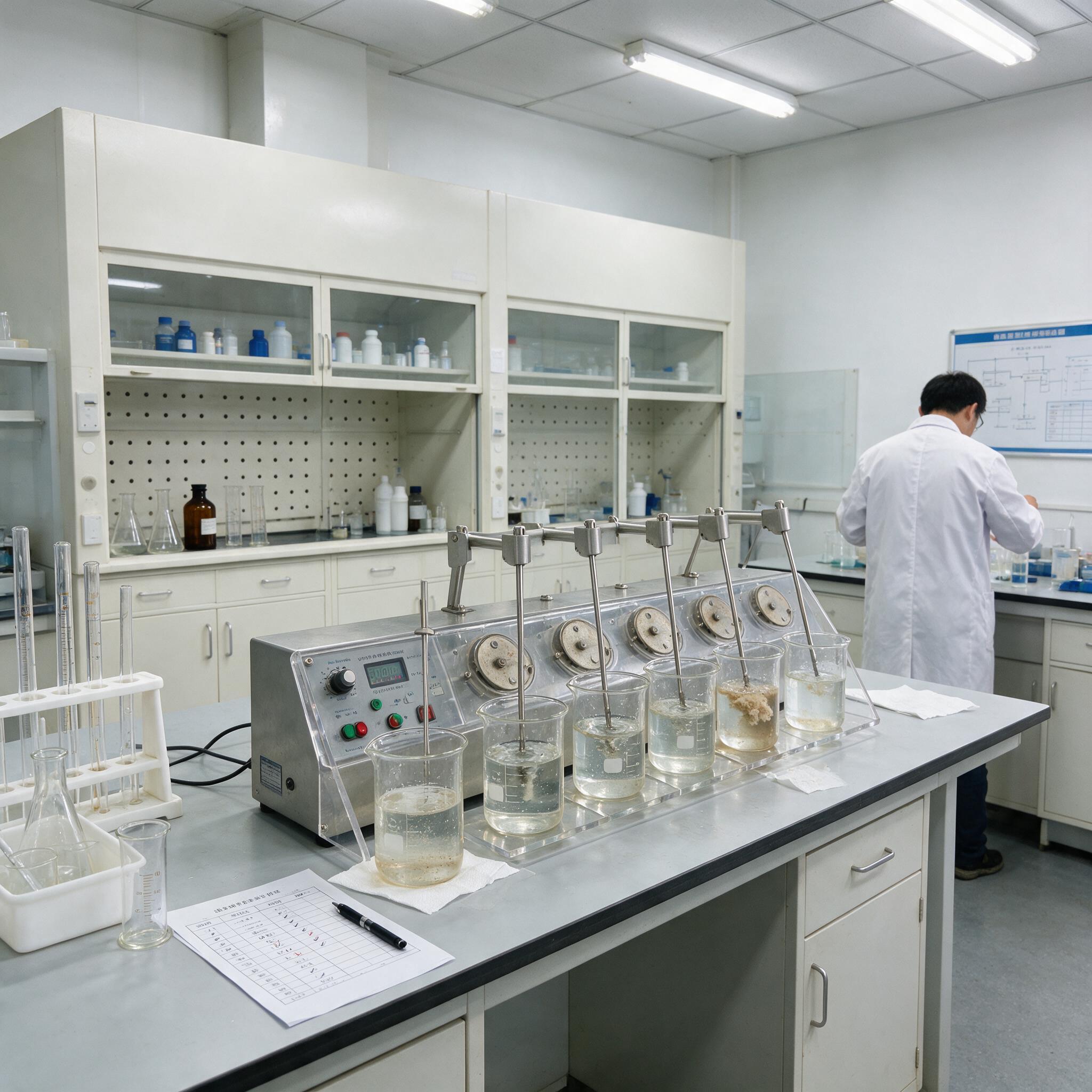
High molecular cationic polymers have become indispensable in the realm of water treatment, offering a highly effective solution for contaminant removal and sludge management. These polymers are characterized by their large molecular weight, typically above 10 million Daltons, and their positive charge, which enables them to neutralize negatively charged particles such as colloidal matter, bacteria, and dissolved organics. The interaction between the polymer’s cationic groups and the anionic surfaces of particles leads to charge neutralization and bridging, causing particles to aggregate into larger flocs that can be easily separated from water. This mechanism is fundamental in processes like coagulation, flocculation, and thickening. The choice of a high molecular weight is critical because it enhances the bridging effect, where polymer chains extend across particles, linking them together.