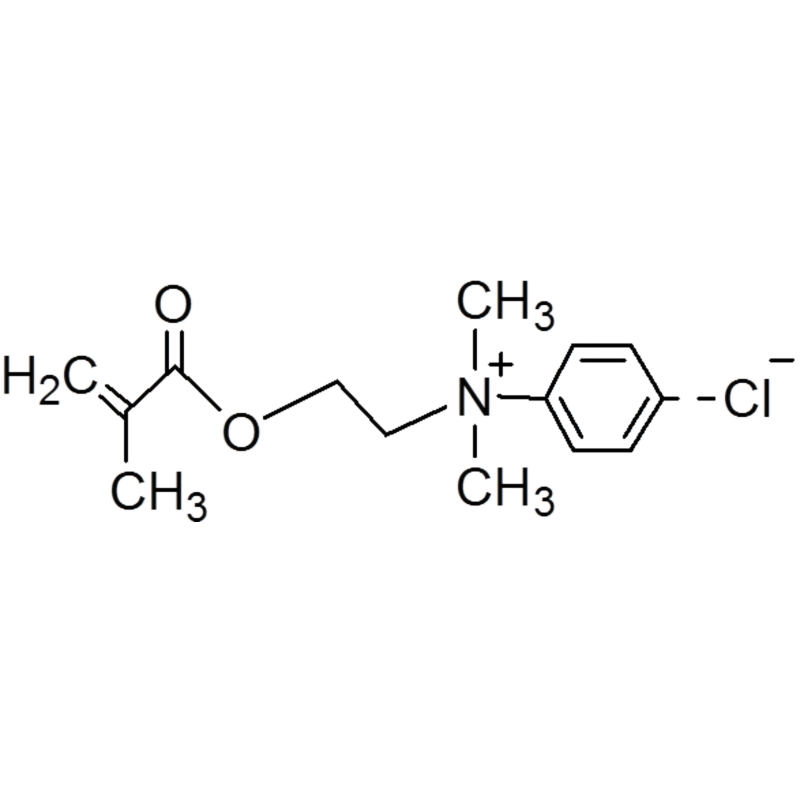
Quaternary ammonium polymers represent a cornerstone of modern water treatment chemistry, offering a unique combination of cationic charge and polymeric structure that facilitates efficient contaminant removal. These polymers contain positively charged quaternary ammonium groups, which are permanently ionized regardless of pH, allowing them to interact strongly with negatively charged particles, dissolved organic matter, and microbial cells. The polymeric backbone provides multiple attachment points, enabling bridging flocculation and the formation of dense, settleable flocs. In industrial water treatment, quaternary ammonium polymers are employed for raw water clarification, wastewater treatment, and sludge dewatering. Their high charge density reduces the required dosage compared to inorganic coagulants like alum or ferric chloride, yielding less sludge and lower operating costs.