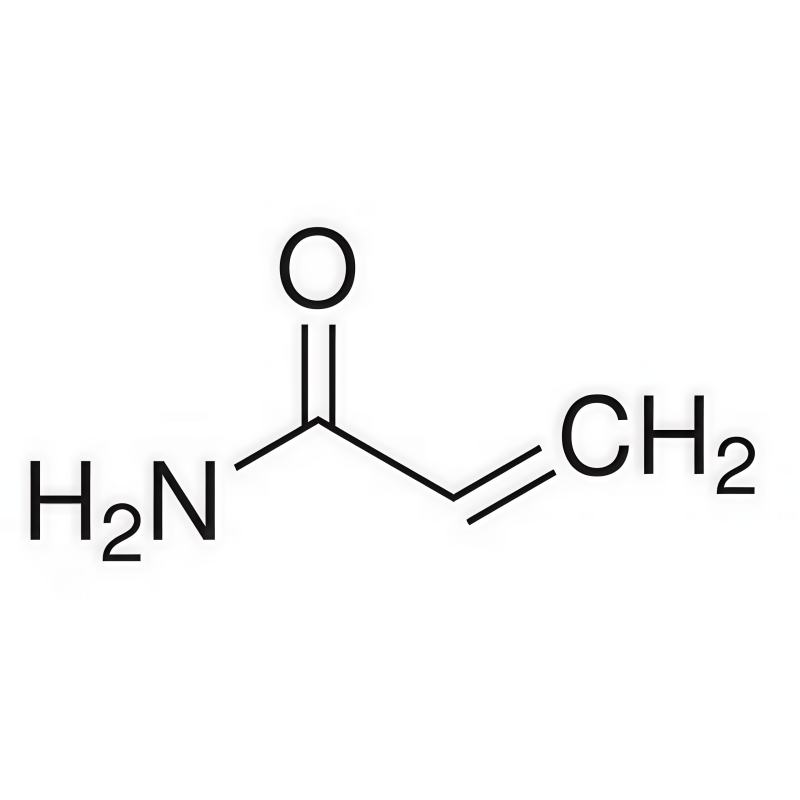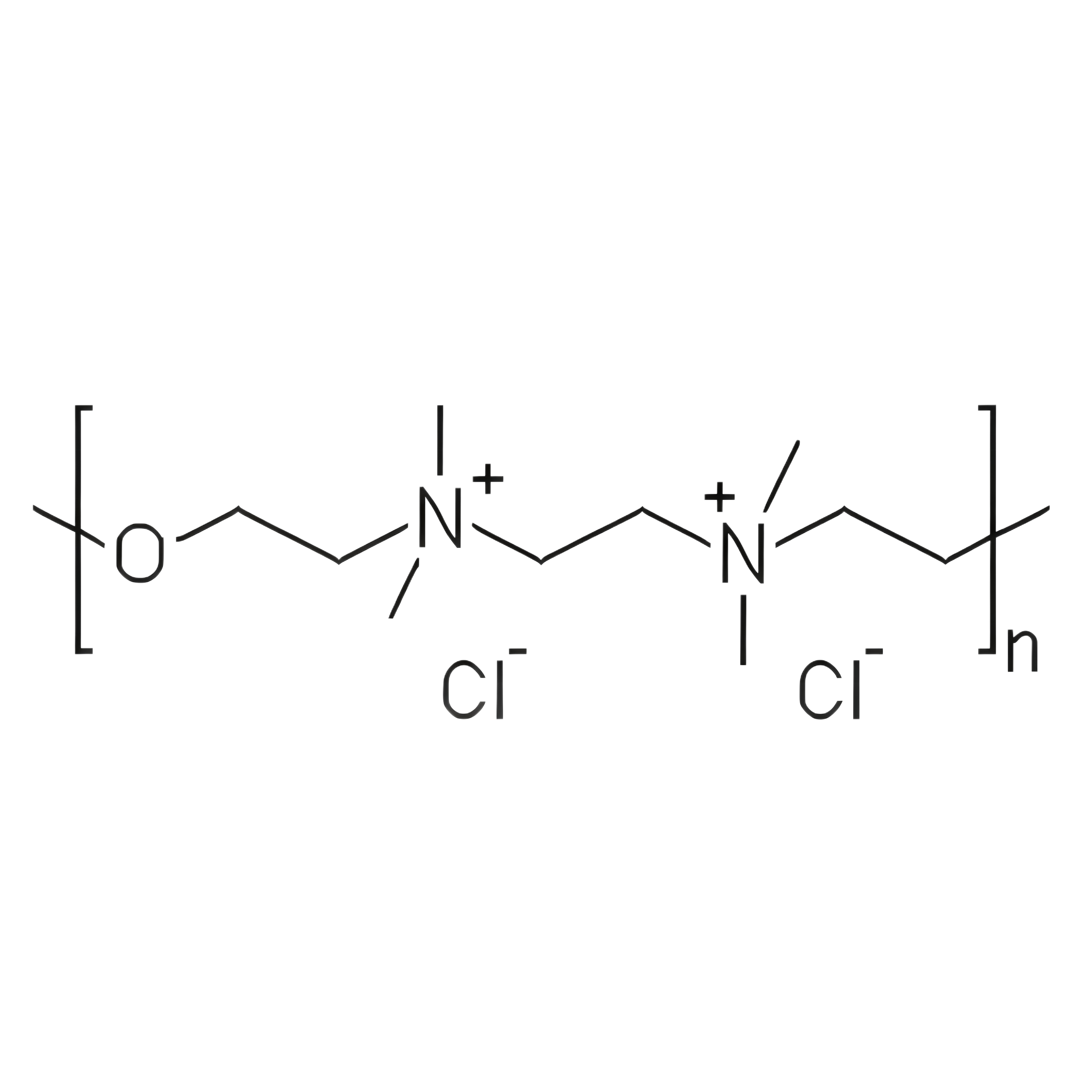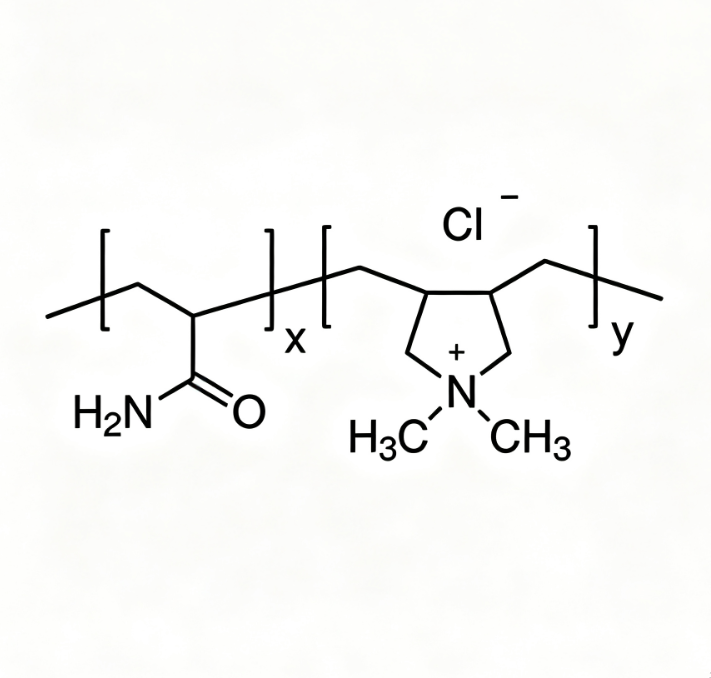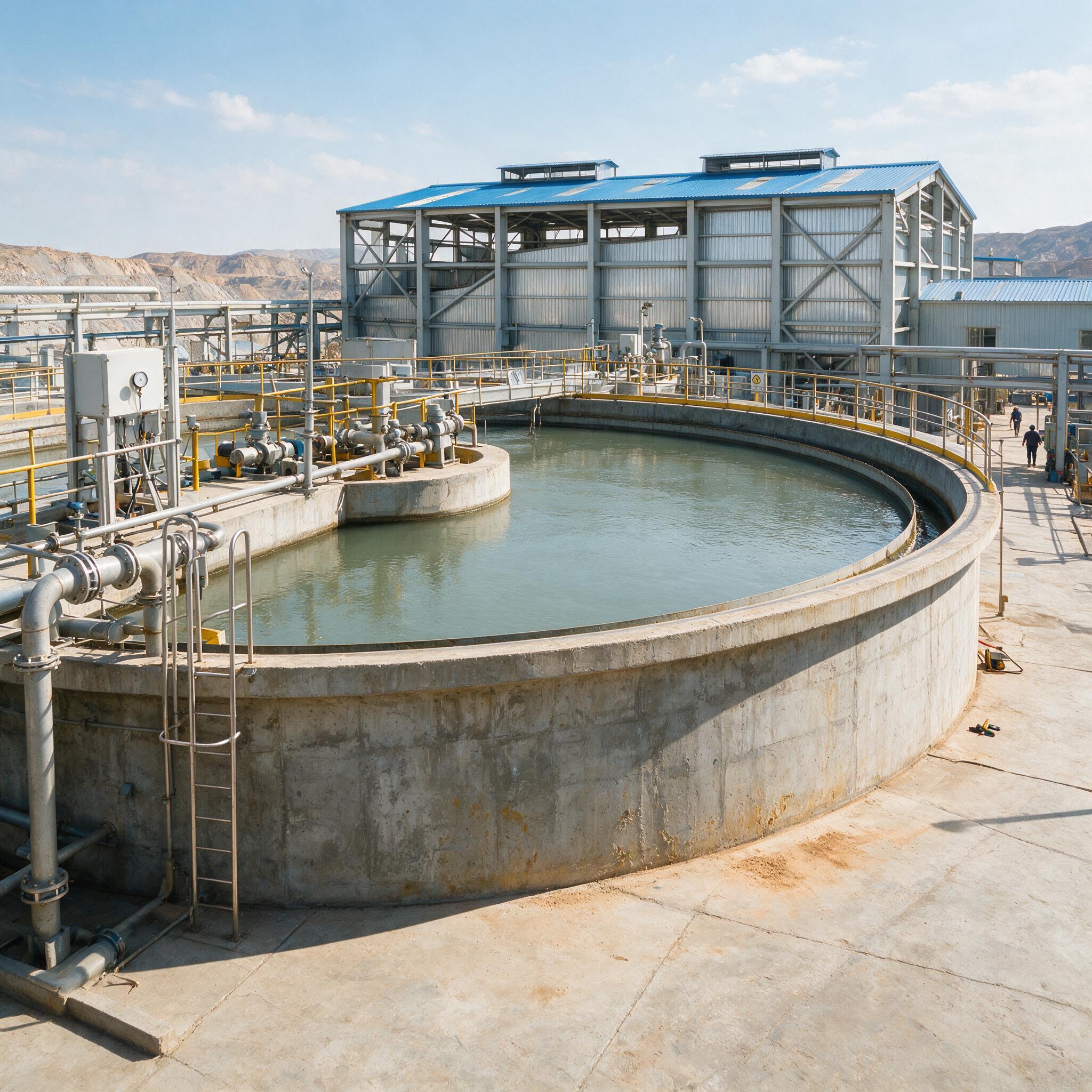
The Role of Cationic Polymers in Modern Water Treatment: Mechanisms and Applications Water treatment cationic polymers play a pivotal role in removing suspended particles, dissolved organic matter, and colloidal contaminants from aqueous systems. Their positive charge neutralizes the negative surface charge of particles, enabling aggregation and subsequent settling or filtration. This process, known as coagulation-flocculation, is fundamental to both drinking water production and wastewater treatment. Cationic polymers can be categorized into polyamines and polyDADMACs (quaternary ammonium compounds), and high-molecular-weight cationic polyacrylamides (CPAM). Each type offers distinct advantages depending on the molecular weight and charge density. For instance, low-molecular-weight polyamines act primarily as coagulants, while high-molecular-weight CPAMs function as flocculants, providing longer polymer chains to bridge particles.