The Critical Role of Oilfield Chemicals in Modern Extraction
Modern energy extraction relies heavily on advanced oilfield chemicals to optimize well performance, protect costly infrastructure, and maximize hydrocarbon recovery across harsh subterranean environments. Exploration teams frequently encounter extreme temperatures, high pressures, and complex geological formations that standard mechanical methods alone cannot successfully overcome. Specialized oilfield chemicals serve as the invisible backbone of successful drilling, cementing, and stimulation operations, transforming challenging underground conditions into manageable engineering tasks. Industry data indicates that efficient application of oilfield chemicals can improve overall well productivity by up to 30 percent while significantly reducing non-productive time and operational expenditures. Operators across global basins constantly seek high-performance oilfield chemicals to maintain fluid rheology, control filtration rates, and prevent formation damage during initial exploration phases. Furthermore, regulatory compliance demands that modern oilfield chemicals meet stringent environmental benchmarks without sacrificing technical efficacy in the field.
Advanced Fluid Formulations for Drilling Stability
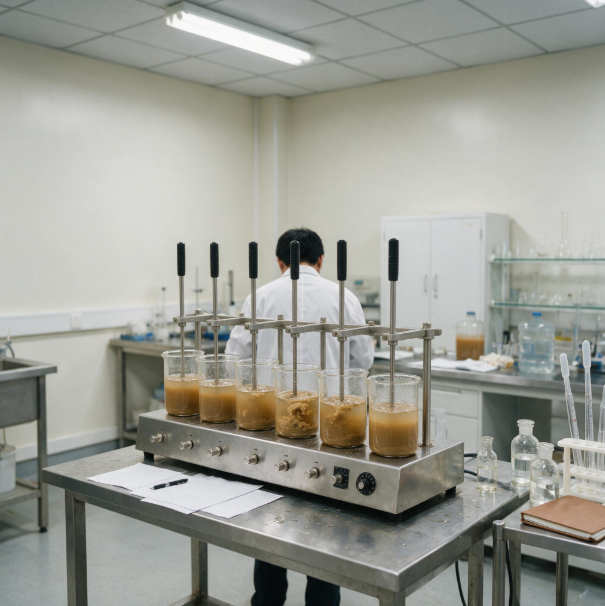
Drilling operations demand sophisticated oilfield chemicals to maintain borehole integrity and prevent costly cave-ins, fluid loss, or differential sticking. Water-based and synthetic-based mud systems incorporate specialized oilfield chemicals such as viscosifiers, fluid loss control agents, weight materials, and shale inhibitors to stabilize reactive clay formations. Field experience demonstrates that precise dosing of oilfield chemicals reduces torque and drag on the drill string, enabling smoother directional drilling trajectories over extended lateral lengths. For instance, a recent deepwater drilling project utilized customized oilfield chemicals to withstand bottom-hole temperatures exceeding 150 degrees Celsius without thermal degradation or viscosity collapse. Laboratory testing and field telemetry confirm that these advanced oilfield chemicals maintain optimal gel strengths, ensuring suspended rock cuttings are efficiently removed from the wellbore to prevent pipe pinching. Rigorous quality assurance protocols ensure that every batch of oilfield chemicals performs reliably under high-shear and high-pressure downhole conditions.
Enhancing Reservoir Yield Through Stimulation Chemicals
Maximizing ultimate recovery from mature reservoirs requires targeted deployment of oilfield chemicals during hydraulic fracturing and matrix acidizing treatments. Production engineers select specific oilfield chemicals like friction reducers, crosslinkers, clay stabilizers, and surfactants to reduce pumping pressure and optimize fracture geometry within tight rock formations. Field case studies from unconventional shale plays show that optimized oilfield chemical packages can boost initial production rates by 25 percent compared to generic formulations. These oilfield chemicals alter interfacial tension, allowing trapped hydrocarbons to flow more freely through microscopic pore networks toward the production wellbore. Careful optimization of oilfield chemicals ensures that formation permeability remains unimpaired, protecting long-term asset value and extending the economic life of older wells. Technical experts emphasize that continuous monitoring of bottom-hole pressure and fluid compatibility is essential for maximizing the return on investment of deployed oilfield chemicals.
Protecting Infrastructure with Corrosion and Scale Inhibitors
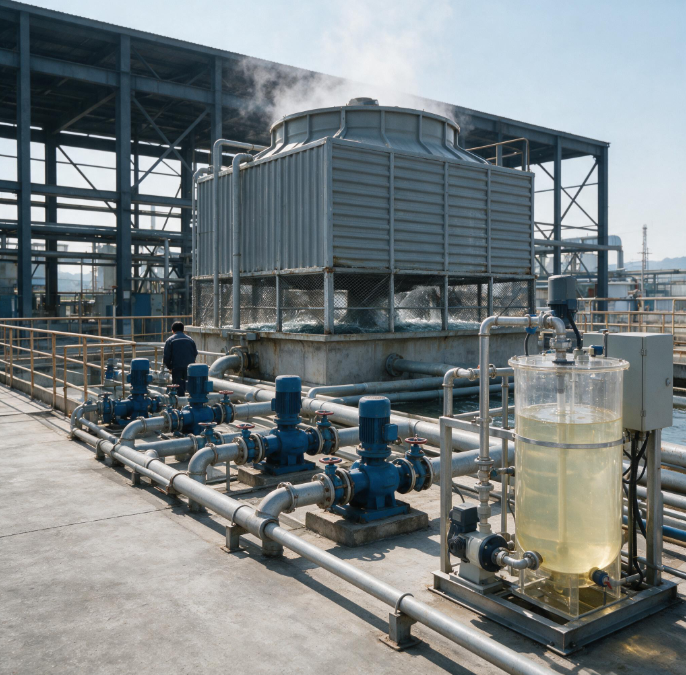
Subsurface and surface infrastructure face constant threats from mineral scaling, microbial growth, and aggressive corrosion driven by formation water, hydrogen sulfide, and dissolved carbon dioxide. Facility managers deploy continuous-injection oilfield chemicals, including filming amines, organophosphonates, polymer scale inhibitors, and specialized biocide formulations, to shield pipelines, separators, and wellheads from premature failure. Authoritative industry standards and metallurgical studies emphasize that proactive asset management using appropriate oilfield chemicals extends equipment replacement cycles by several years, saving millions in capital expenditures. By neutralizing corrosive elements and preventing scale buildup, specialized oilfield chemicals prevent catastrophic pipeline ruptures and maintain continuous, unobstructed fluid delivery. Routine chemical residual monitoring ensures that oilfield chemicals deliver consistent protection even under fluctuating production rates and changing downhole fluid chemistry profiles.
Flow Assurance and Production Optimization Strategies
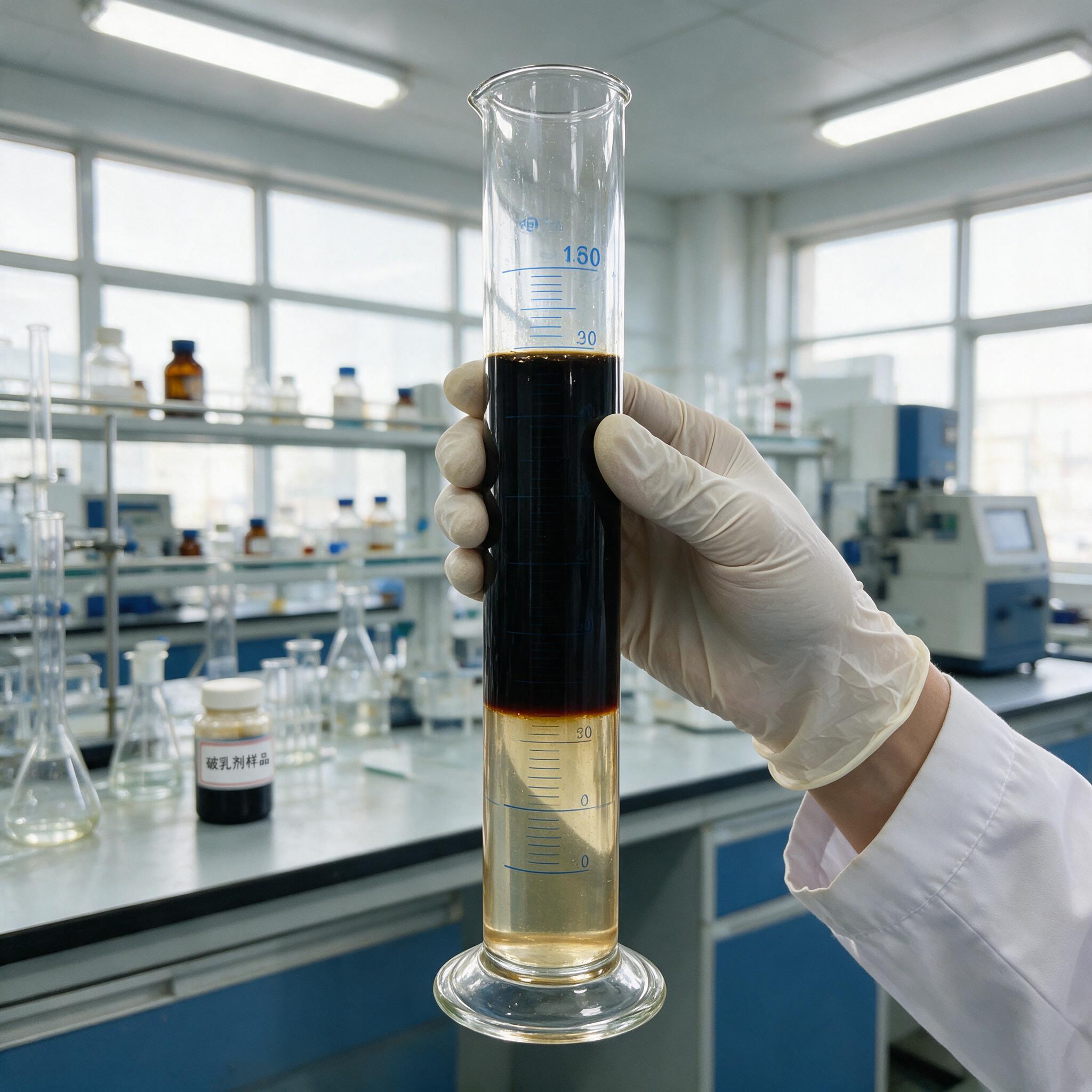
Maintaining uninterrupted hydrocarbon flow from the reservoir to export facilities requires comprehensive flow assurance programs powered by specialized oilfield chemicals. Paraffin inhibitors, hydrate suppressants, and demulsifiers are vital oilfield chemicals deployed to prevent organic deposition and phase separation issues in subsea flowlines and production tubing. Independent laboratory evaluations demonstrate that high-grade oilfield chemicals prevent the formation of stubborn wax crystals and gas hydrates under freezing deepwater operating conditions. Operators rely on continuous data telemetry to adjust injection rates of oilfield chemicals in real-time, adapting to shifting temperature and pressure gradients. Effective flow assurance protocols utilizing advanced oilfield chemicals eliminate costly production downtime and ensure that transportation networks operate at peak hydraulic efficiency.
Sustainable Supply Chain Solutions for Global Energy Operations
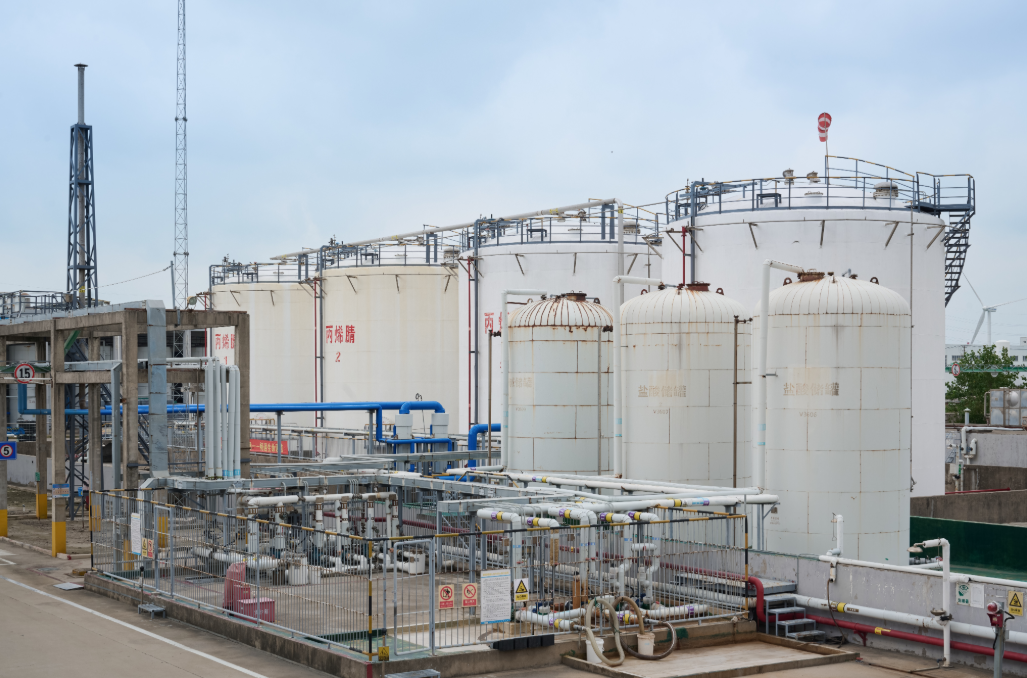
Securing a reliable, high-purity supply of oilfield chemicals remains a top priority for international operators navigating volatile commodity markets, logistical bottlenecks, and strict environmental regulations. Leading manufacturers like Feymer deliver comprehensive oilfield chemicals portfolios backed by rigorous quality control, scalable manufacturing capacity, and responsive global logistics networks. Collaborating directly with an established producer ensures strict batch-to-batch consistency, minimizing operational risks associated with sub-standard or contaminated chemical formulations. Furthermore, modern development focuses heavily on eco-friendly oilfield chemicals that minimize aquatic toxicity and biodegrade efficiently without sacrificing performance efficacy in extreme environments. Integrating advanced manufacturing capabilities with tailored technical support allows operators to deploy customized oilfield chemicals optimized for specific basin challenges, driving both environmental compliance and superior economic returns across international projects.

 EN
EN