EN
What Are Common PAM Applications in Industry?
2026/11/18
Discover diverse polyacrylamide applications in industry to optimize paper machines, accelerate sugar clarification, and improve concrete rheology.
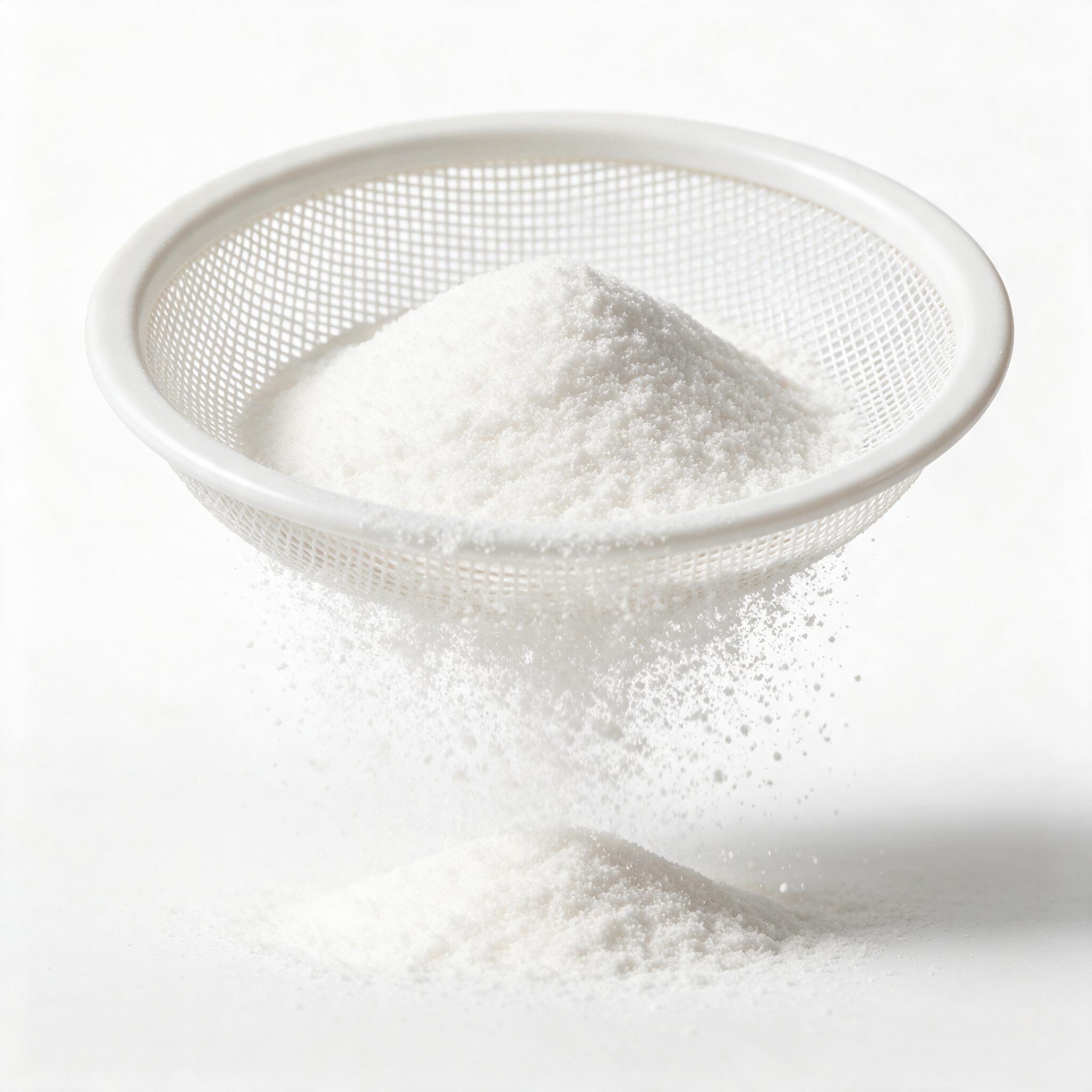
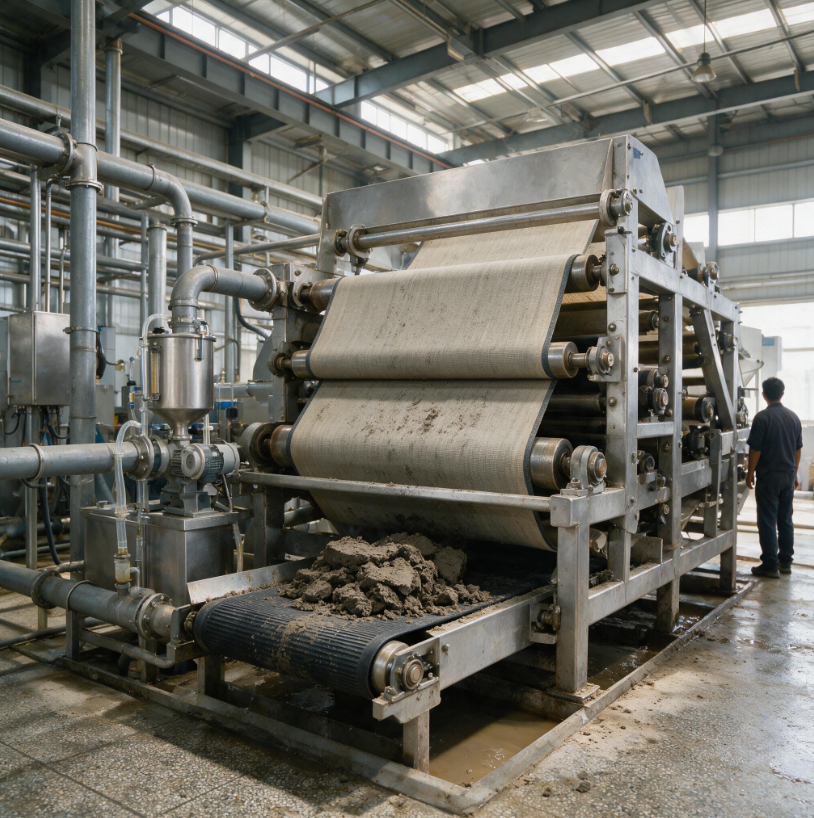
Wastewater treatment operators frequently face a persistent sludge dewatering bottleneck at the solids handling stage: biological and chemical sludges refuse to release bound water. Municipal activated sludge and industrial biological waste carry a dominant negative surface electrical charge. This negative zeta potential, typically lingering between minus fifteen and minus thirty millivolts, forces colloidal particles to repel each other continuously. In this dispersed state, municipal sludge holds tremendous amounts of hydration water trapped inside hydrated cell structures and extracellular polymeric substances (EPS). Applying mechanical pressure alone fails to separate water from these dispersed micro-particles. This is precisely why cationic polymer plays an indispensable role. When high-charge cationic polymer enters the conditioning stream, positively charged quaternary ammonium groups instantly migrate to the negatively charged colloidal interfaces. This chemical attraction neutralizes the electrostatic repulsion barrier, collapsing the electrical double layer around individual flocs. As the zeta potential approaches zero millivolts, repulsive barriers dissolve, permitting primary biological colloids to aggregate into dense pin flocs. Without proper charge neutralization driven by cationic polymer, downstream sludge dewatering equipment suffers immediate blinding and cake slippage.
Electrostatic neutralization provides only half of the thermodynamic driving force required for continuous solid-liquid separation. Once colloid destabilization occurs, the system requires structural bridging to form shear-resistant macro-flocs capable of rapid drainage. Modern industrial formulations utilize linear cationic polyacrylamide chains featuring molecular weights exceeding eight to twelve million Daltons. As these expansive polymer backbones unwind in dilute aqueous solutions, extended loops and tails extend outward into the bulk liquid. These molecular branches capture multiple destabilized pin flocs simultaneously, assembling cohesive, web-like three-dimensional networks known as macroscopic flocs. In high-throughput sludge dewatering configurations, the spatial architecture of these agglomerates determines how freely interstitial water escapes. Cationic polyacrylamide provides both charge attraction and macromolecular bridging, enabling the agglomerates to release free water before entering high-pressure mechanical zones. Accurate flocculant dosing is essential to establish proper charge attraction without causing steric hindrance or steric restabilization. If an operation relies solely on inorganic coagulants such as ferric chloride or polyaluminum chloride, the resulting flocs remain brittle and voluminous, increasing overall dry solid volume. Integrating high-performance cationic polymer builds robust, open-channeled floc matrices that accelerate gravity zone drainage while resisting structural collapse.
High-performance sludge dewatering machinery exposes chemical flocs to intense hydrodynamic shear forces that test polymer integrity. Decanter centrifuges subject conditioning slurries to gravitational forces reaching two thousand to three thousand times gravity, while high-pressure belt filter presses apply continuous shearing and squeezing between moving tensioned belts. Standard coagulants shear into fine fragments under these brutal forces, re-releasing trapped water and blinding filter media pores. Highly tailored cationic polymer formulations prevent this breakdown by creating flexible, viscoelastic floc structures. The long-chain structural elasticity of cationic polyacrylamide absorbs mechanical shear stress without fracturing the backbone linkages. During municipal trials, facilities transitioning from low-viscosity conditioners to shear-resistant cationic polymer observed a dramatic reduction in filtrate turbidity, maintaining suspended solids below one hundred milligrams per liter. Optimized sludge dewatering operations rely on structural elasticity to prevent floc rupture during centrifugal scrolling. Furthermore, superior floc shear resistance preserves open drainage pathways inside screw presses and centrifuges, preventing wet sludge from washing out through the conveyor scroll. Matching the specific cationic polymer charge density to sludge organic content ensures that mechanical energy expels interstitial moisture rather than tearing apart the chemical flocculation matrix.
Efficient sludge dewatering directly dictates hauling and disposal expenditures, making cake dryness a crucial operational metric for plant managers. Capillary suction time (CST) and specific resistance to filtration (SRF) serve as primary analytical indicators of how readily sludge surrenders water. Untreated biological sludge often exhibits capillary suction time values exceeding one hundred and eighty seconds, signaling strong water retention. Introducing optimized flocculant dosing using cationic polymer slashes capillary suction time measurements down to twelve to twenty seconds, confirming immediate water release. Lower resistance translates into superior sludge dewatering rates across commercial screw presses and plate-and-frame filter presses. Plant operators measuring dry solids consistently record cake dryness improvements between three and eight percentage points when dosing high-grade cationic polyacrylamide. In thermal drying facilities, every single percent increase in dewatered cake dryness reduces downstream natural gas consumption by roughly four to five percent. Precise flocculant dosing ensures that facilities hit dry solids targets of twenty to twenty-eight percent without leaving unreacted residual polymer in the centrate, thereby protecting downstream biological stages from chemical fouling.
Practical field implementations reveal the commercial impact of engineered polymer programs. A regional chemical park wastewater facility processing eighty dry tons of sludge dewatering throughput daily struggled with high operating costs using conventional imported emulsion. The existing belt filter press produced sludge cake with eighty-three percent moisture, creating astronomical landfill transportation and thermal disposal expenses. Diagnostic testing demonstrated severe charge mismatches and inconsistent flocculant dosing, leading to high chemical consumption of twelve kilograms of active polymer per dry ton. After auditing the sludge organic volatile fraction, technical engineers replaced the incumbent product with an advanced cationic polyacrylamide solution featuring a medium-charge, ultra-high molecular weight granulate cationic polymer. Within forty-eight hours of steady operation, cake moisture dropped from eighty-three percent to seventy-four percent, while specific flocculant dosing decreased to seven point two kilograms per dry ton. The nine-point reduction in sludge cake moisture lowered annual disposal weight by thousands of metric tons, generating over two hundred and forty thousand dollars in verified annual hauling savings. Centrate clarity improved markedly, eliminating recirculated solids loads back to the aeration basin.
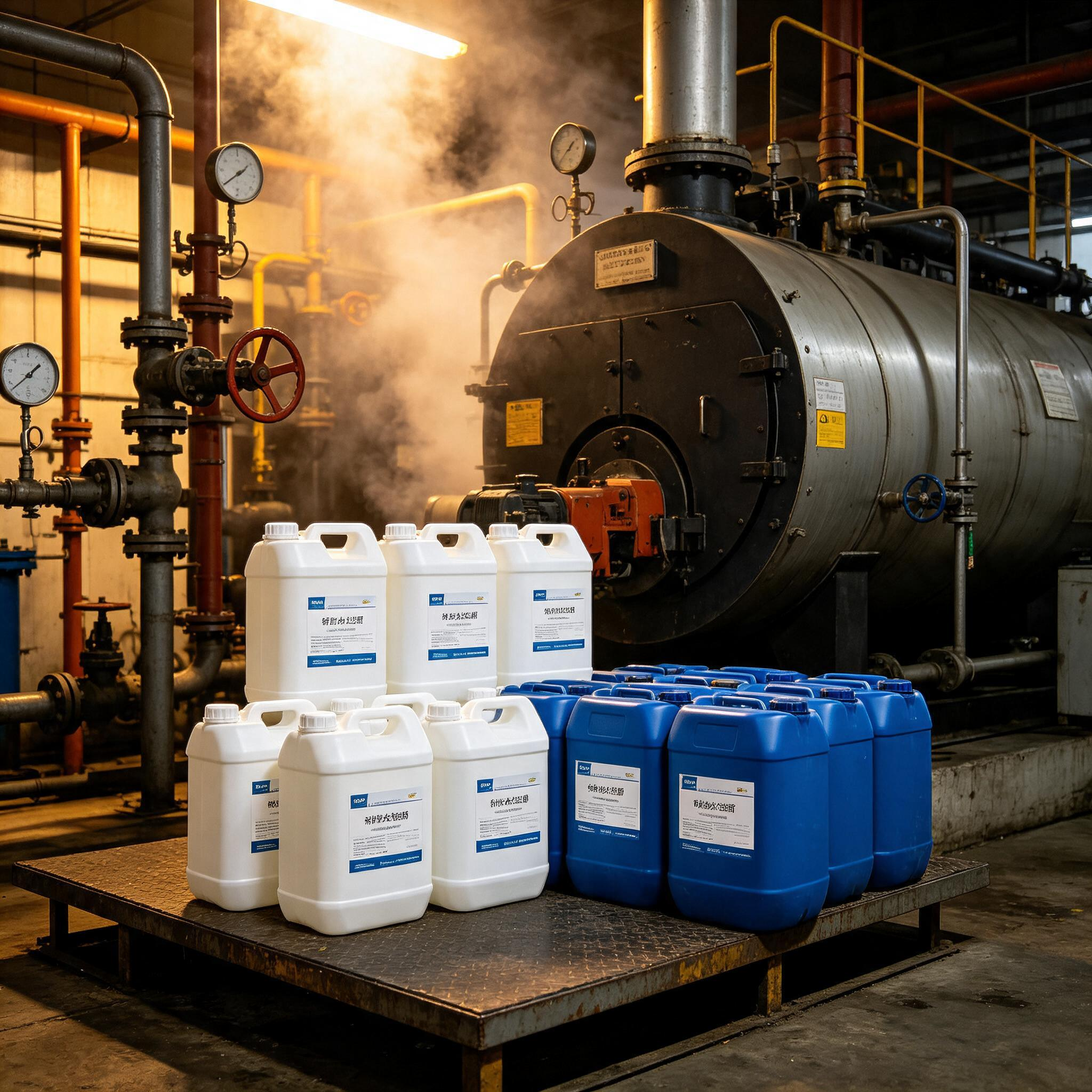
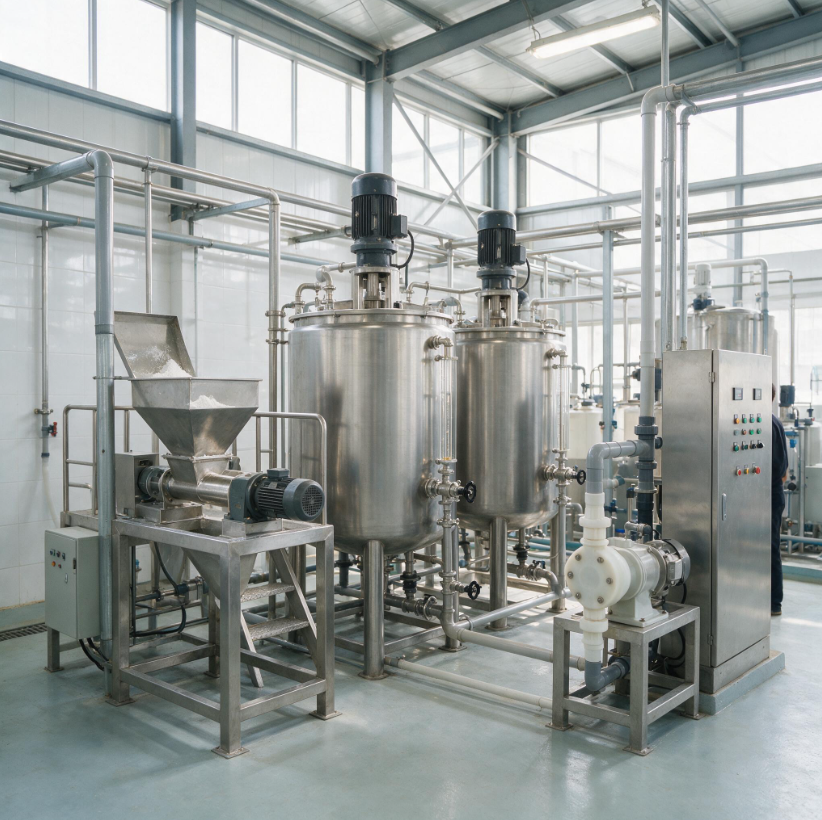
Selecting the proper conditioning chemistry requires proven polymer synthesis capabilities and consistent batch-to-batch quality control. Variable raw materials, seasonal temperature swings, and fluctuating sludge organic fractions demand stable chemical products that maintain dissolution kinetics and charge stability. Feymer manufactures comprehensive series of granulate and emulsion cationic polyacrylamide products tailored for rigorous sludge dewatering environments. Operating three dedicated chemical production bases and maintaining over nine thousand tons of ready inventory, Feymer provides reliable global chemical supply across forty countries. Supported by SSE STAR Market listing standards, EcoVadis Gold sustainability ratings, and ISO 9001 quality management, every cationic polymer batch delivers predictable charge density and active content. Engineered flocculant dosing controls supported by technical jar tests optimize daily operating costs. Partnering with Feymer grants industrial operators and municipal plants direct access to advanced polymer engineering, customized jar-testing protocols, and robust logistics that optimize operational uptime and ensure compliance with demanding environmental discharge standards worldwide.
2026/11/18
Discover diverse polyacrylamide applications in industry to optimize paper machines, accelerate sugar clarification, and improve concrete rheology.
2026/11/16
Explore how advanced oilfield chemicals maximize enhanced recovery via high-stability polymer flooding, viscoelastic sweep, and efficient friction reducers.
2026/11/12
Learn how coagulant remove impurities in water by neutralizing colloid charges, de-emulsifying oily waste, and minimizing chemical sludge.
2026/11/10
Discover how advanced water treatment chemicals optimize primary clarification, prevent cooling tower scaling, and minimize industrial chemical sludge.
2026/11/04
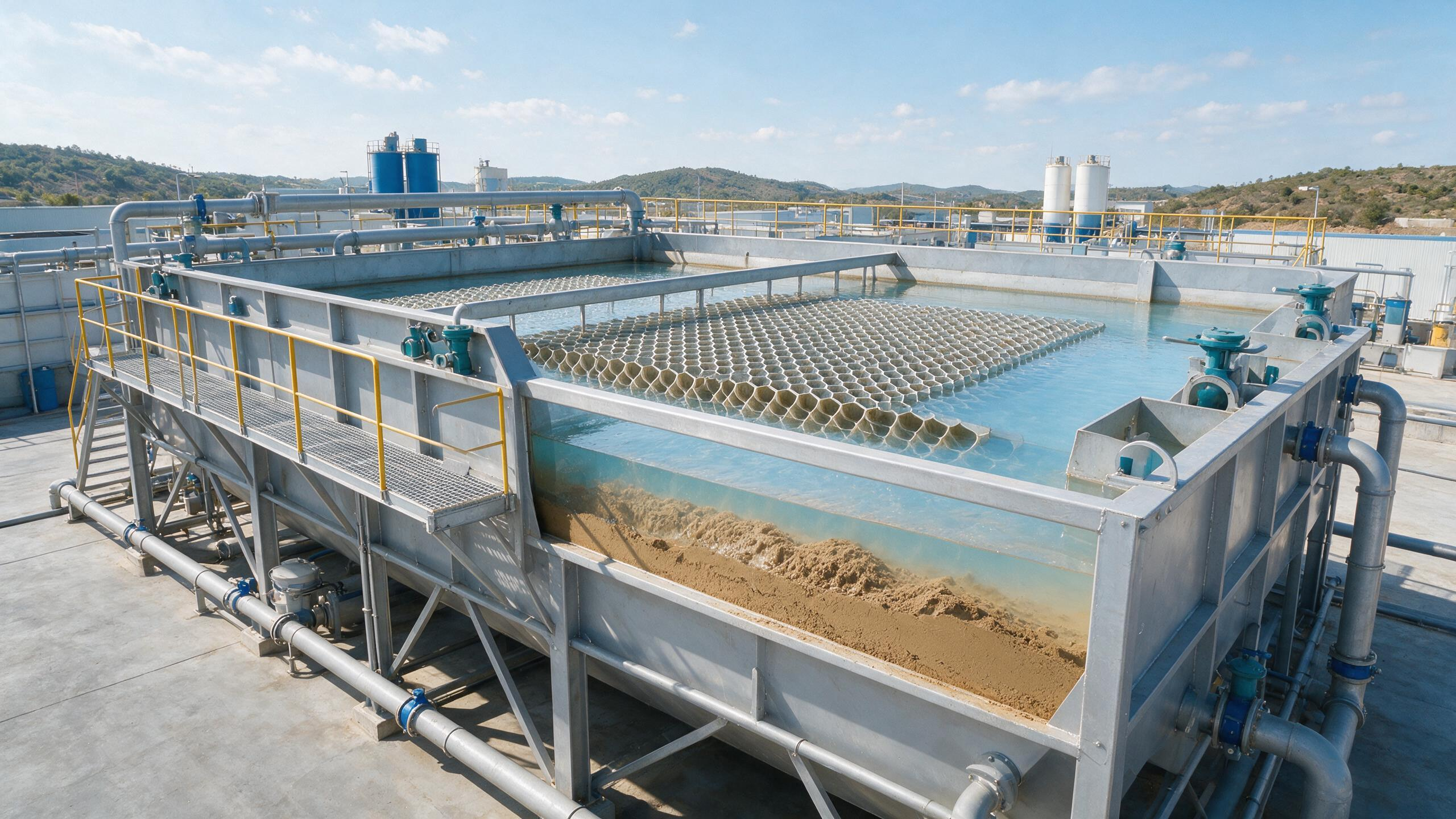
Learn how anionic polymer accelerates the sedimentation process, boosts particle settling velocity, and removes suspended solids in industrial clarifiers.
2026/10/19
Discover the benefits of using flocculant in sewage plants to stabilize the secondary clarifier, prevent sludge bulking, and boost phosphorus removal.