Fundamental Chemical Properties of DADMAC in Polymerization
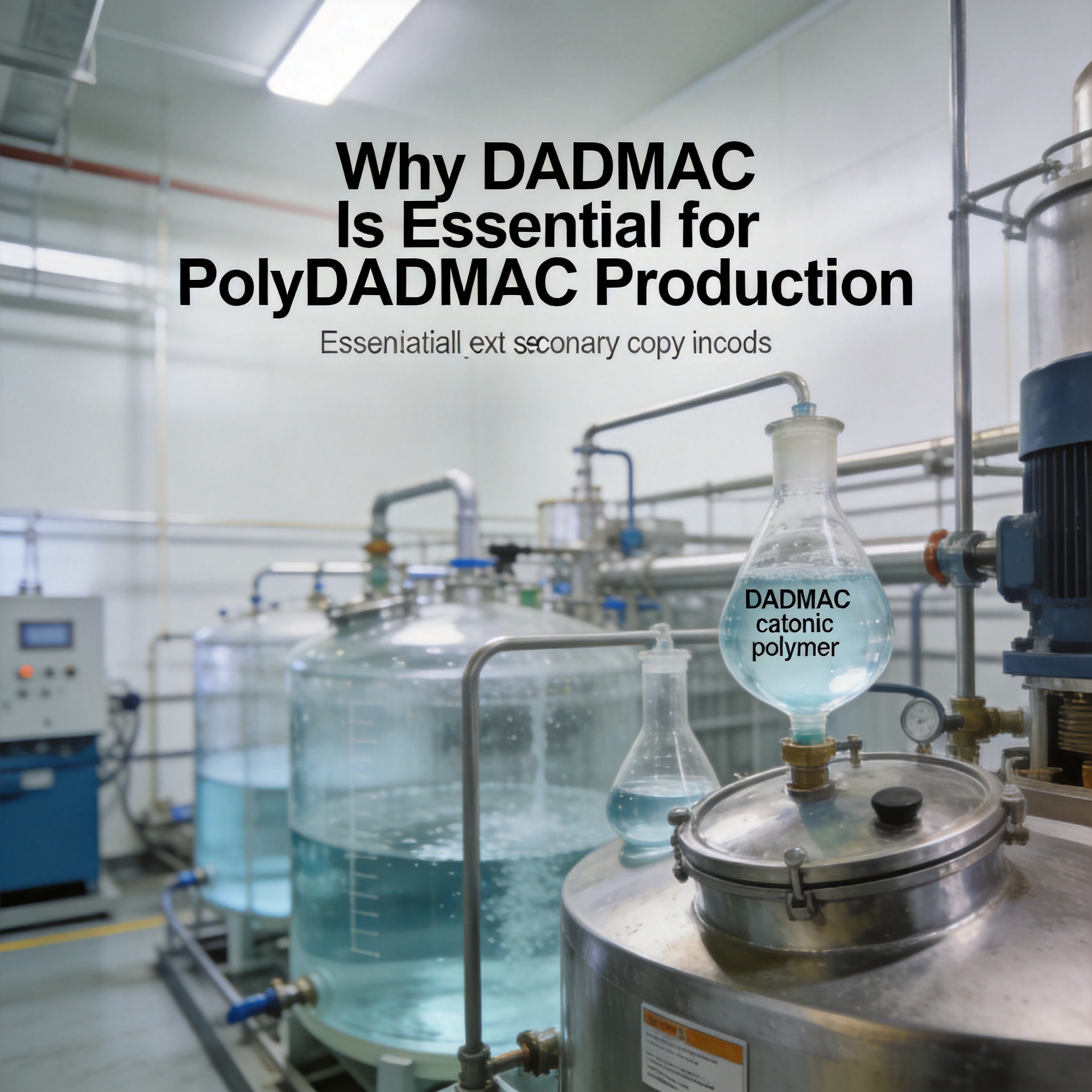
The manufacturing of high-performance water treatment polymers relies heavily on the quality and purity of foundational chemical building blocks within the industrial sector. Within this specialized chemical domain, dadmac stands out as the primary cationic monomer utilized extensively to synthesize high molecular weight polymers required across municipal water plants and heavy industrial facilities. Understanding the inherent chemical properties of dadmac reveals why it is completely irreplaceable for producing stable, effective quaternary ammonium polymers that perform under severe operational stress. When synthesis technicians evaluate raw dadmac and cationic monomer inputs, purity levels exceeding 99 percent are typically required to prevent premature chain termination during the complex radical polymerization process. This high degree of purity ensures that the resulting polymer chains achieve maximum charge density and optimal molecular weight distribution. Industrial producers constantly monitor dadmac reactivity ratios to optimize copolymerization yields and eliminate residual monomer impurities that could impact downstream application performance in sensitive water treatment environments and specialized industrial settings. Furthermore, advanced analytical tracking ensures that every production lot meets the rigorous specifications required for large-scale commercial polymer generation. Technical evaluations confirm that precise molecular weight control during initial cationic monomer charging directly determines the ultimate flocculation efficiency in finished water treatment products, reducing overall chemical dosing requirements for plant operators worldwide.
Unlocking the Mechanisms of Polydadmac Synthesis
The transformation of dadmac into polydadmac synthesis products represents a cornerstone of modern cationic polymer chemistry across the globe. During aqueous solution polymerization of dadmac monomer, the compound undergoes a sophisticated cyclopolymerization mechanism that forms stable five-membered pyrrolidinium rings along the growing polymer backbone. This unique structural characteristic gives the final product exceptional thermal stability and long-term resistance to chlorine degradation, properties that are vital for drinking water purification and municipal wastewater treatment plants facing challenging influent conditions. Facility operators utilizing these advanced formulations notice superior charge neutralization capabilities when treating high turbidity water sources laden with suspended organic matter. Field data from municipal water treatment trials indicate that polymers derived from high-grade dadmac achieve up to twenty percent faster settling rates compared to conventional coagulants. By controlling reaction temperatures and initiator concentrations, chemical manufacturers ensure that every batch of polydadmac synthesis meets stringent performance criteria for heavy metal removal, organic pollutant capture, and suspended solids aggregation across diverse municipal applications. Long-term testing demonstrates that these cyclic polymer structures maintain superior stability even under extreme pH fluctuations in aggressive industrial effluent streams.
Expanding Applications Across Water Treatment Chemicals and Beyond
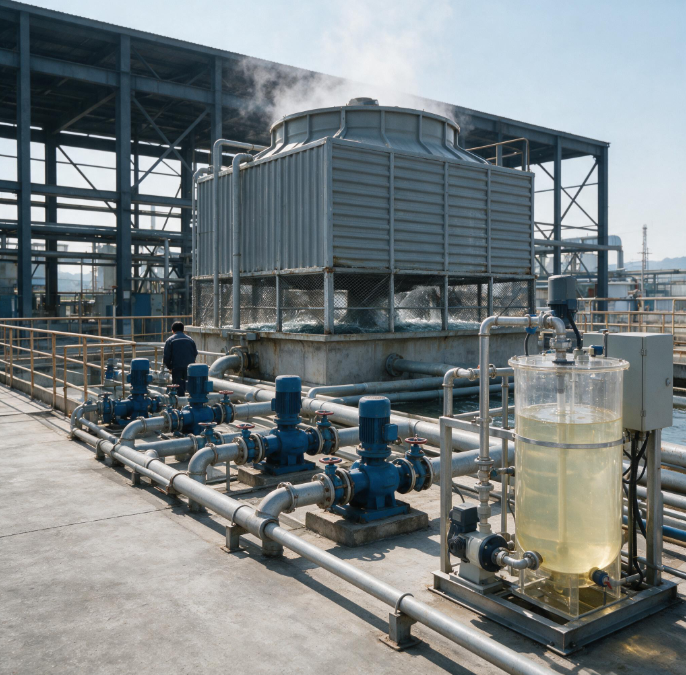
Modern industrial operations demand versatile chemical solutions capable of handling complex effluent streams and heavy sludge loads without causing operational bottlenecks. The integration of dadmac into broader water treatment chemicals portfolios allows formulators to create customized coagulants specifically tailored for paper mills, textile processing plants, and heavy oilfield operations. In paper manufacturing, dadmac-based additives enhance wet-end retention and promote efficient drainage, directly lowering energy costs associated with thermal drying stages. Furthermore, oilfield operators rely heavily on these specialized formulations for enhanced oil recovery and produced water clarification, where high salinity and elevated temperatures demand robust polymer structures that resist shear degradation. Practical case studies from industrial wastewater treatment facilities demonstrate that optimizing dadmac dosage rates reduces overall sludge volume by nearly fifteen percent, translating into significant annual savings on dewatering and disposal expenditures for large-scale manufacturing plants worldwide. Technical teams also note improved filter press performance and reduced water treatment chemicals consumption during daily operational cycles, ensuring maximum economic viability across all industrial sectors.
Ensuring Quality and Reactivity in Quaternary Ammonium Salt Production
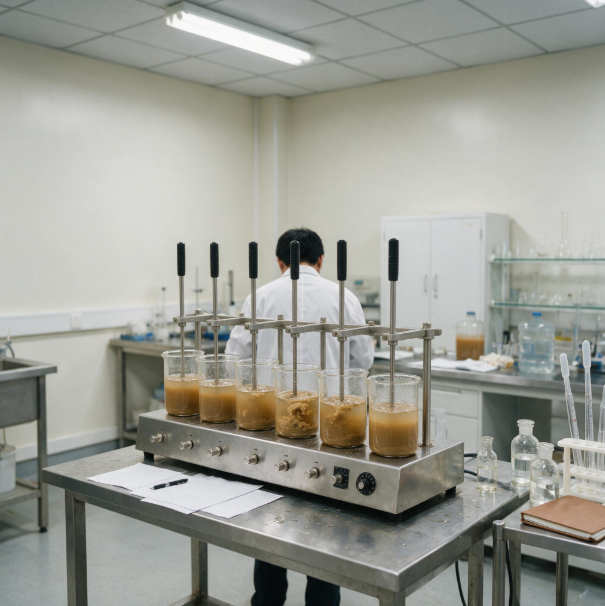
As a prominent quaternary ammonium salt derived from dadmac, the compound requires rigorous quality assurance protocols throughout every stage of industrial synthesis, storage, and long-distance transport. The presence of trace impurities, such as allylic compounds or residual amines, can severely inhibit polymerization kinetics and reduce the final cationic charge density. Consequently, leading chemical producers implement advanced chromatographic analysis and titration methods to verify dadmac monomer concentration before shipping to polymerization plants worldwide. Technical experts emphasize that maintaining strict control over pH and moisture levels during storage prevents premature degradation and preserves monomer reactivity over extended periods. Industrial users who prioritize high-purity dadmac report fewer processing anomalies, consistent viscosity profiles, and superior flocculant performance across diverse operating conditions, ensuring that end-use applications meet international environmental safety and performance standards without exception. Comprehensive laboratory testing protocols guarantee that every batch of this essential quaternary ammonium salt delivered to commercial polymer plants exhibits optimal reactivity and structural integrity under demanding production schedules.
Advanced Polymerization Techniques and Industrial Scaling Strategies
Scaling up the production of high-molecular-weight cationic polymers requires meticulous engineering, precise thermal management, and robust reactor design. Because the polymerization of dadmac monomer is strongly exothermic, industrial reactors must be equipped with advanced cooling systems to prevent runaway reactions and molecular weight degradation during synthesis. Process engineers utilize continuous-feed initiator systems and specialized chain transfer agents to regulate chain growth precisely across extended operational hours. This level of process control ensures that the resulting polydadmac polymers maintain consistent viscosity and charge density across multi-ton production batches destined for international markets. Field technicians and plant managers coordinate closely to adjust operational parameters based on real-time sensor feedback, minimizing waste and maximizing product yield. These sophisticated manufacturing protocols allow industrial facilities to meet the surging global demand for effective water purification assets without compromising on safety, environmental compliance, or product quality standards.
Strategic Manufacturing Excellence and Supply Chain Reliability with Feymer
Achieving optimal performance in water treatment and polymer manufacturing depends not only on superior chemical formulation but also on absolute supply chain consistency and vendor reliability. Industrial facilities operating in remote or demanding environments require a dependable partner capable of delivering high-purity dadmac and related monomers without operational disruption or logistical delays. Feymer combines state-of-the-art chemical synthesis infrastructure with robust global logistics capabilities supporting dadmac distribution, providing industrial clients with highly reliable raw materials necessary for successful polydadmac synthesis and large-scale manufacturing operations. By maintaining strict quality control standards and dedicated technical support, Feymer empowers global partners to optimize production workflows, reduce operating costs, and maintain a distinct competitive edge in the international market, ensuring long-term success across all industrial water treatment sectors. Their ongoing commitment to innovation ensures that every shipment delivers maximum value on the plant floor, establishing an enduring benchmark for excellence in global chemical supply services.

 EN
EN