Understanding the Role of Coagulants in Modern Wastewater Treatment
Water treatment facility operators often face the daunting challenge of handling highly turbid wastewater laden with complex suspended solids, organic pollutants, and stubborn colloidal particles. Traditional inorganic coagulants like alum or ferric chloride have long been the industry standard for water clarification, but modern environmental discharge standards demand higher efficiency, lower sludge volume, and more stable performance across fluctuating pH levels. This is where specialized cationic polymer solutions enter the picture, transforming how municipal and industrial plants clarify process water. Among these advanced chemical solutions, pdadmac stands out as a highly effective synthetic homopolymer known for its exceptional charge density, robust coagulant properties, and operational reliability.
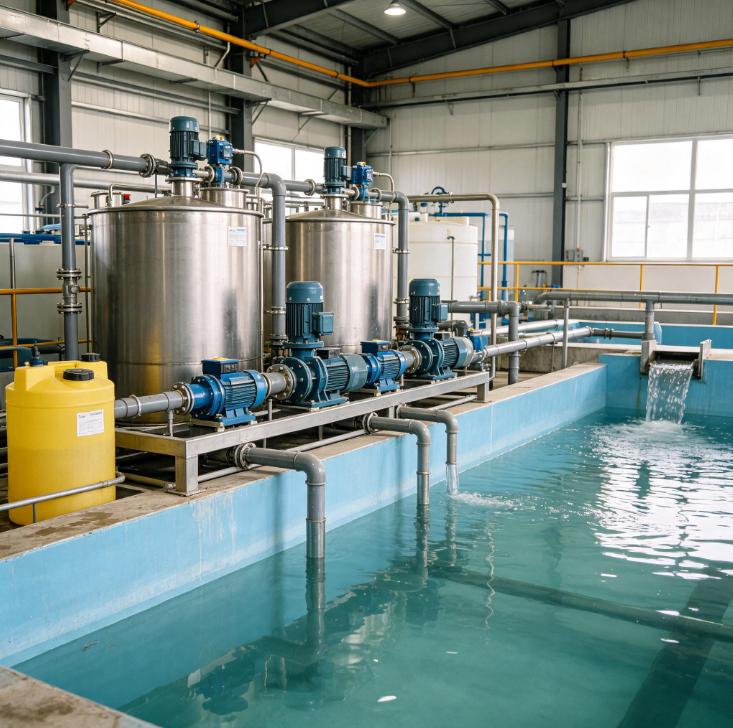
Field experience across multiple municipal and industrial wastewater treatment plants reveals that conventional coagulants frequently struggle when dealing with fine, negatively charged colloidal suspensions that refuse to settle naturally. Plant managers frequently report operational bottlenecks, excessive chemical consumption, and rising sludge disposal costs when relying solely on traditional inorganic salts. By incorporating pdadmac into the primary clarification stage, operators can instantly neutralize surface charges on suspended particles, initiating rapid micro-flocculation even under turbulent hydraulic conditions. Practical insights from wastewater engineers confirm that optimizing pdadmac dosing dramatically reduces clarifier retention times and stabilizes effluent quality before biological treatment stages.
The Chemical Superiority and Mechanism of Action
To truly appreciate why water treatment professionals consistently rely on pdadmac as a premier coagulant, one must examine its unique molecular structure and underlying chemical behavior. As a high-charge-density cationic polymer and quaternary ammonium compound, pdadmac possesses a linear polymer chain packed with permanent positive charges that remain completely unaffected by system pH fluctuations. When introduced into raw wastewater during water clarification, these polymer chains rapidly adsorb onto negatively charged suspended solids, oil droplets, and organic colloids through charge neutralization and patch flocculation mechanisms.
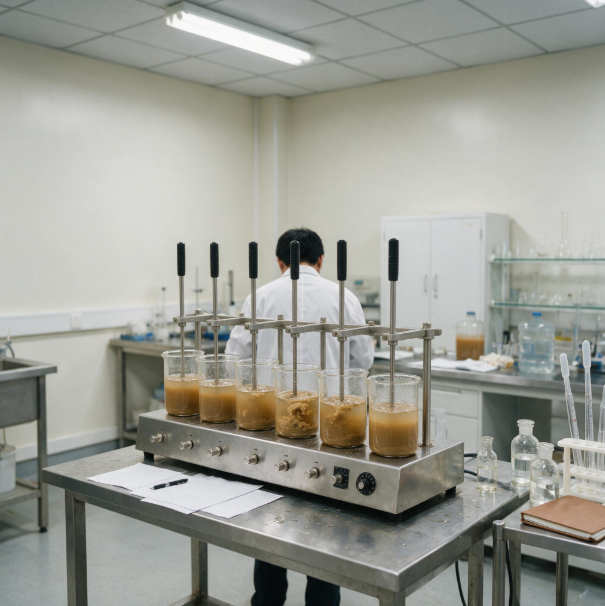
Laboratory analyses and operational case studies demonstrate that this rapid charge neutralization creates micro-flocs that quickly agglomerate into large, dense, and shear-resistant macroscopic flocs. Unlike traditional metal salts that form voluminous, gelatinous hydroxide sludges that are notoriously difficult to dewater, pdadmac produces compact flocs with superior settling velocities. Industrial water treatment specialists note that this structural advantage translates directly into reduced cationic polymer consumption and significantly lower overall sludge management overhead, making pdadmac an economically attractive option for high-volume processing facilities.
Real-World Application Scenarios Across Diverse Industries
The versatility of pdadmac extends far beyond municipal sewage treatment plants, finding critical application across a diverse spectrum of demanding industrial sectors requiring advanced water clarification. In pulp and paper manufacturing, for instance, water loops contain high concentrations of anionic trash and dissolved and colloidal substances that can foul wet-end chemistry and reduce paper machine efficiency. Introducing precise doses of pdadmac effectively neutralizes these interfering substances, improving retention aids performance and enhancing overall wastewater treatment within closed-loop systems.
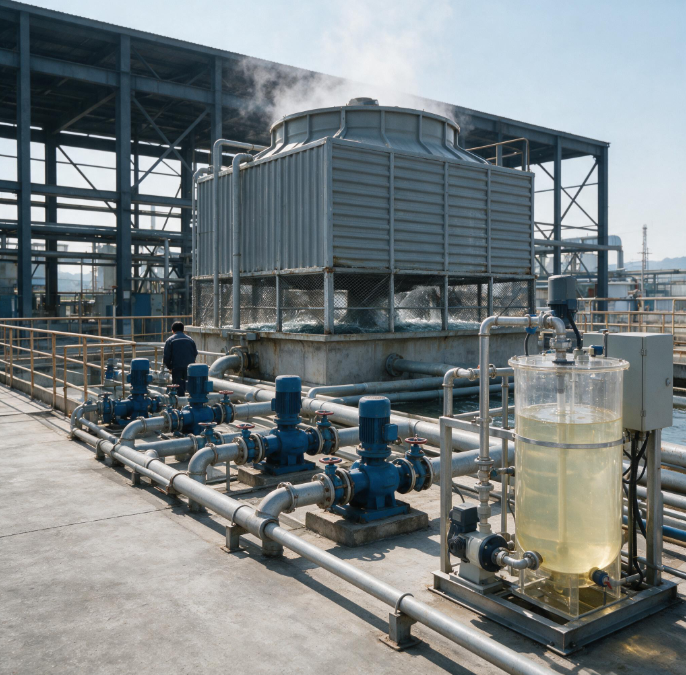
Similarly, textile dyeing plants and oil-water separation facilities utilize pdadmac as a primary coagulant to break stable emulsions and precipitate stubborn dyes and emulsified hydrocarbons from high-COD effluent streams. Data gathered from industrial case studies indicate that industrial plants incorporating targeted cationic polymer programs achieve up to 85% reduction in turbidity and chemical oxygen demand within the primary settling basin. Field evaluations underscore that tailoring molecular weight grades of pdadmac to specific influent characteristics ensures optimal performance across varying operational scales, from small modular systems to massive petrochemical complexes.
Economic Advantages and Long-Term Operational Efficiency
Beyond immediate technical performance, facility directors and plant procurement managers evaluate chemical treatment options through a strict economic lens. While specialty cationic polymer options may carry a higher unit cost compared to bulk inorganic coagulants, a comprehensive total cost of ownership analysis consistently favors pdadmac. By accelerating settling rates and increasing underflow sludge density during water clarification, facilities can significantly reduce secondary polymer consumption in subsequent sludge dewatering presses, lower energy consumption for pumping, and minimize costly downtime caused by clarifier scaling or solid carryover.
Empirical operational data from large-scale manufacturing wastewater plants show that optimized pdadmac dosing regimens yield substantial savings in chemical handling and freight costs due to the concentrated nature of liquid polymer formulations. Furthermore, maintaining consistent effluent compliance protects facilities from costly environmental regulatory fines and reputational damage. Collaborating with experienced chemical manufacturers like Feymer ensures that plant operators receive customized grade recommendations, technical troubleshooting support, and reliable supply chain security that safeguards uninterrupted industrial production.
Ensuring Sustainability and Future-Proofing Water Treatment
As global environmental regulations become increasingly stringent and water scarcity forces industries to embrace zero liquid discharge and advanced water reuse strategies, the selection of wastewater treatment chemicals takes on strategic importance. Modern water stewardship requires chemicals that not only solve immediate purification challenges but also align with long-term ecological and operational sustainability goals. Using high-purity pdadmac minimizes residual monomer concerns and reduces the chemical footprint of water clarification operations.
Industry experts and environmental consultants emphasize that partnering with dedicated chemical synthesis innovators is essential for maintaining a competitive edge in modern industrial manufacturing. Feymer leverages state-of-the-art production facilities, rigorous quality assurance protocols, and robust global logistics networks to deliver premium-grade pdadmac and customized cationic polymer solutions worldwide. By combining advanced chemical manufacturing capabilities with responsive technical support, Feymer empowers industrial partners to achieve superior water clarity, lower operational expenditures, and uncompromising environmental compliance for years to come.

 EN
EN