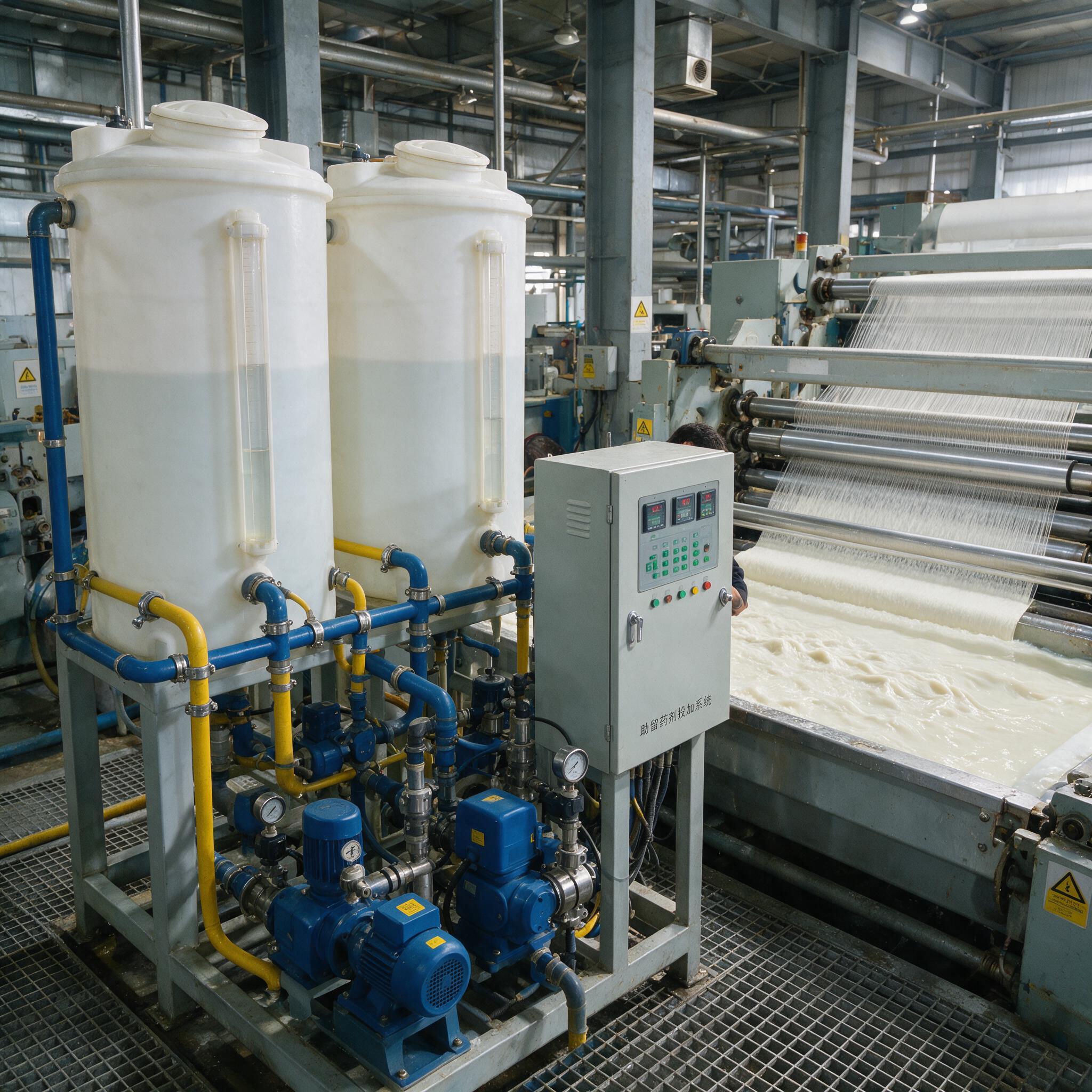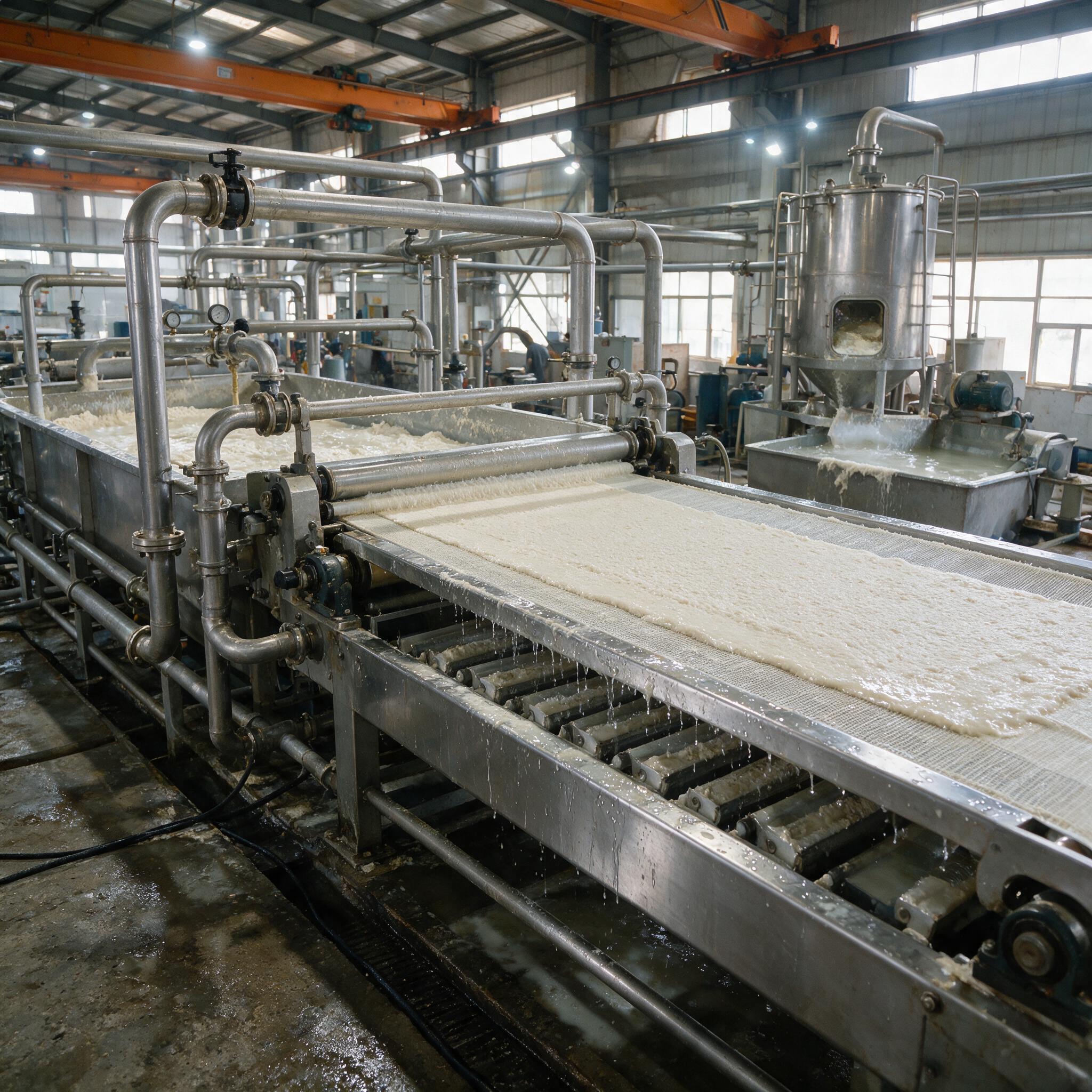
The mechanism of action of cationic polyacrylamide for retention in papermaking is complex and multifaceted. At its core, CPAM molecules carry positive charges that attract and neutralize negatively charged fibers, fines, and fillers suspended in the aqueous pulp slurry. Through a process known as ‘charge neutralization’ and ‘polymer bridging,’ CPAM forms micro-flocs that are easily captured by the forming fabric, significantly increasing the retention of fine particles that would otherwise escape the sheet. This retention improvement directly correlates with higher yields of fiber and filler, lowering the consumption of expensive raw materials. Furthermore, enhanced retention reduces the amount of dissolved and colloidal substances in the recirculated white water, improving the efficiency of water systems and reducing the load on downstream effluent treatment.