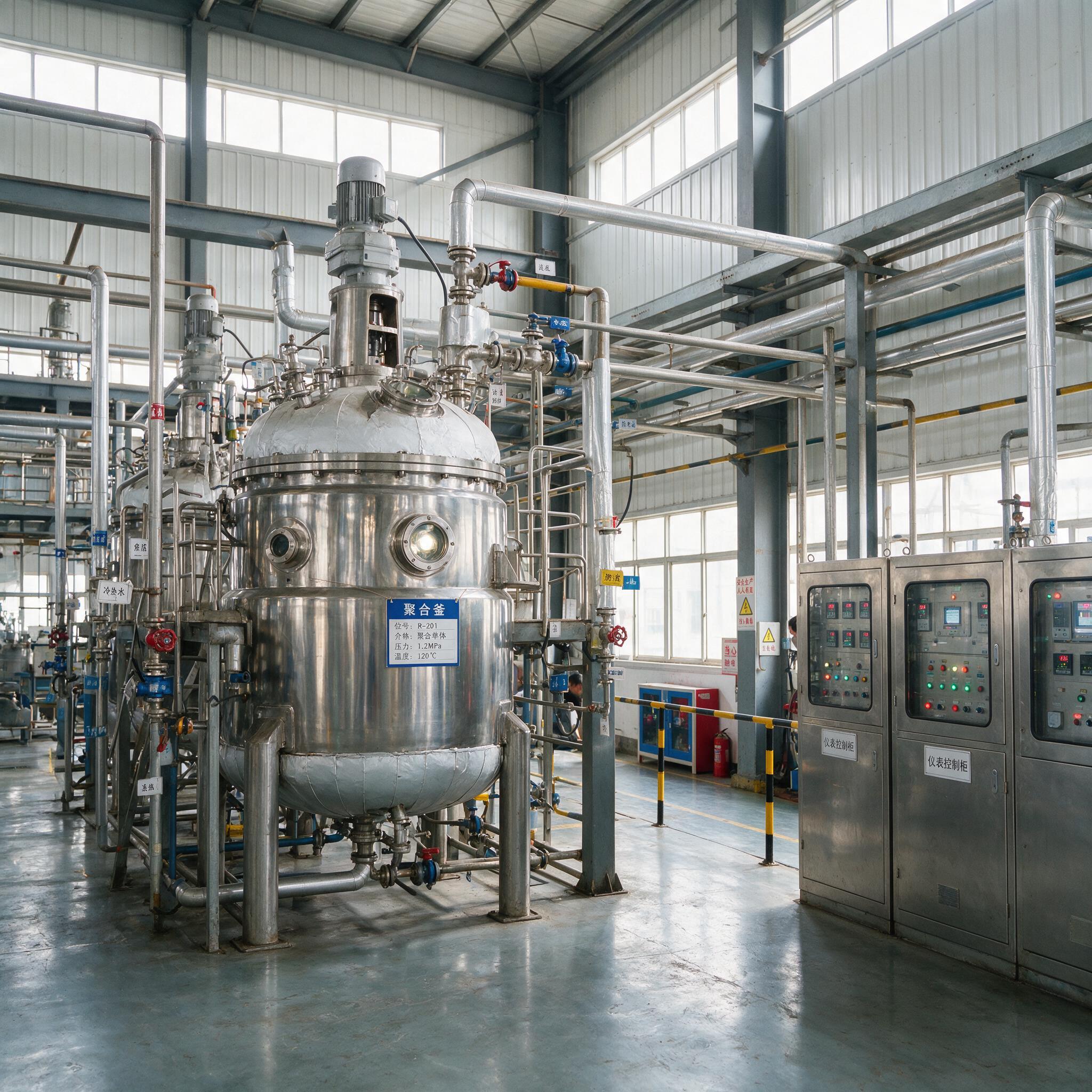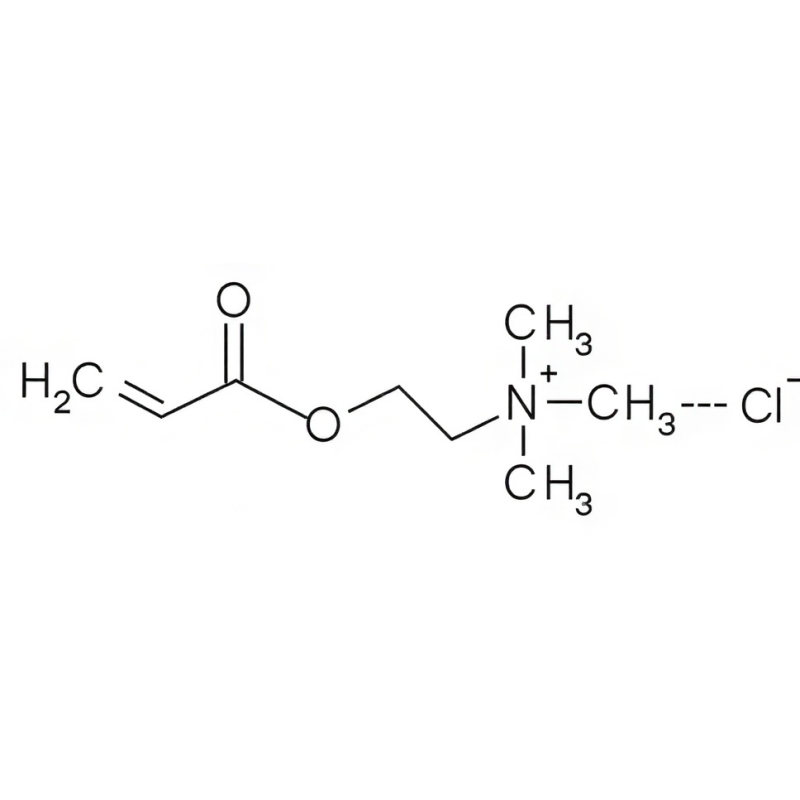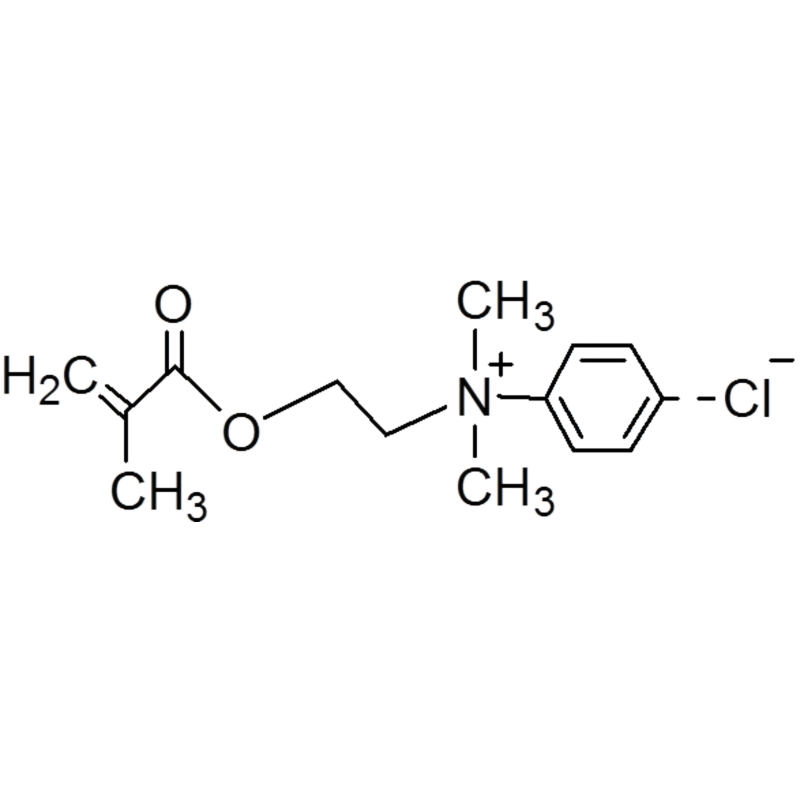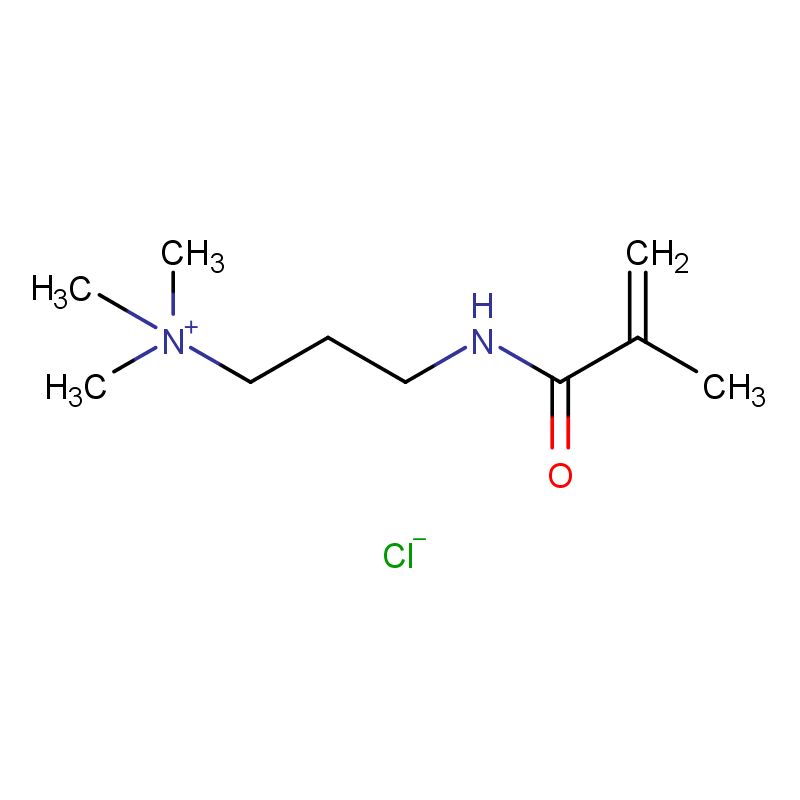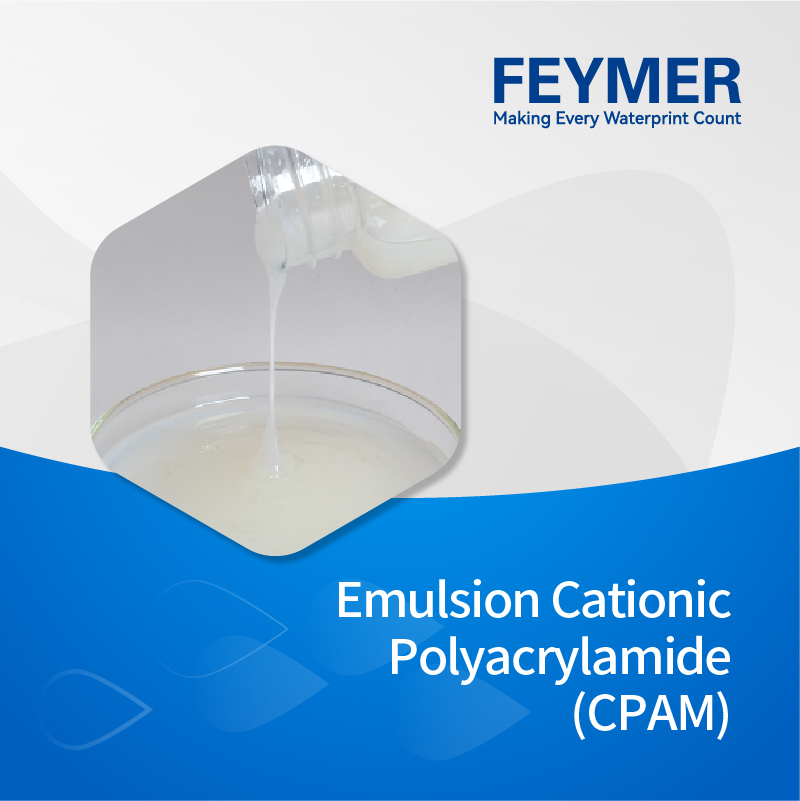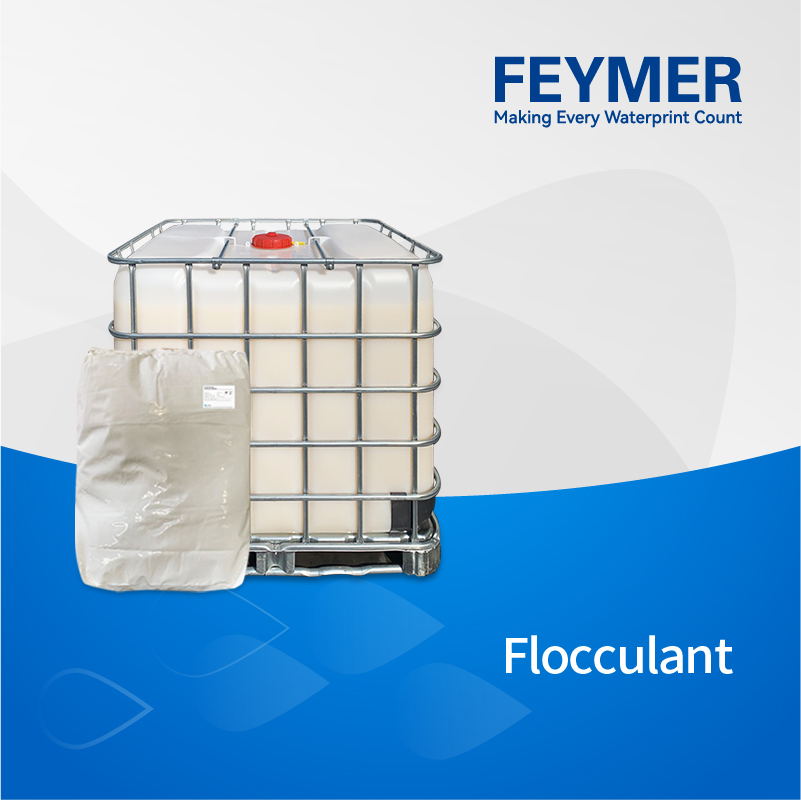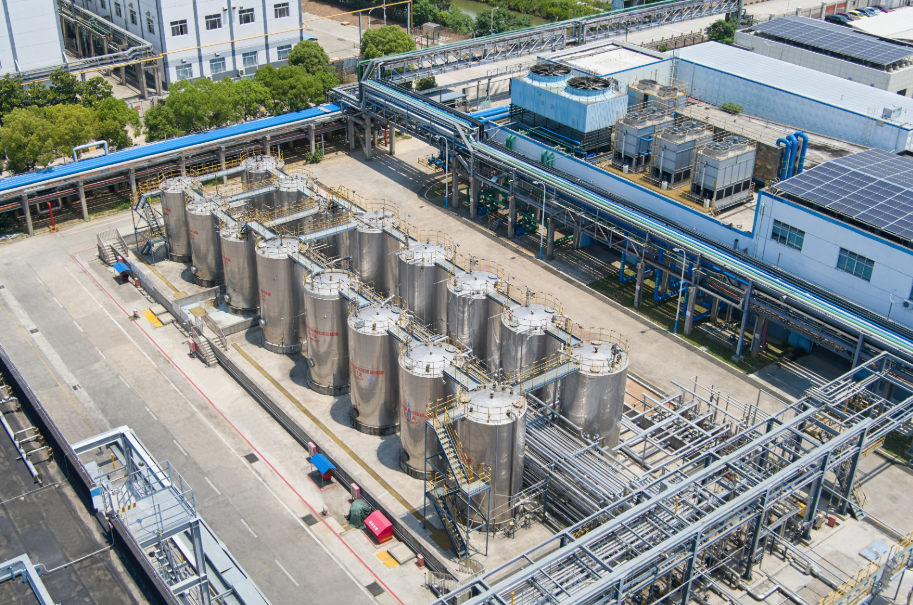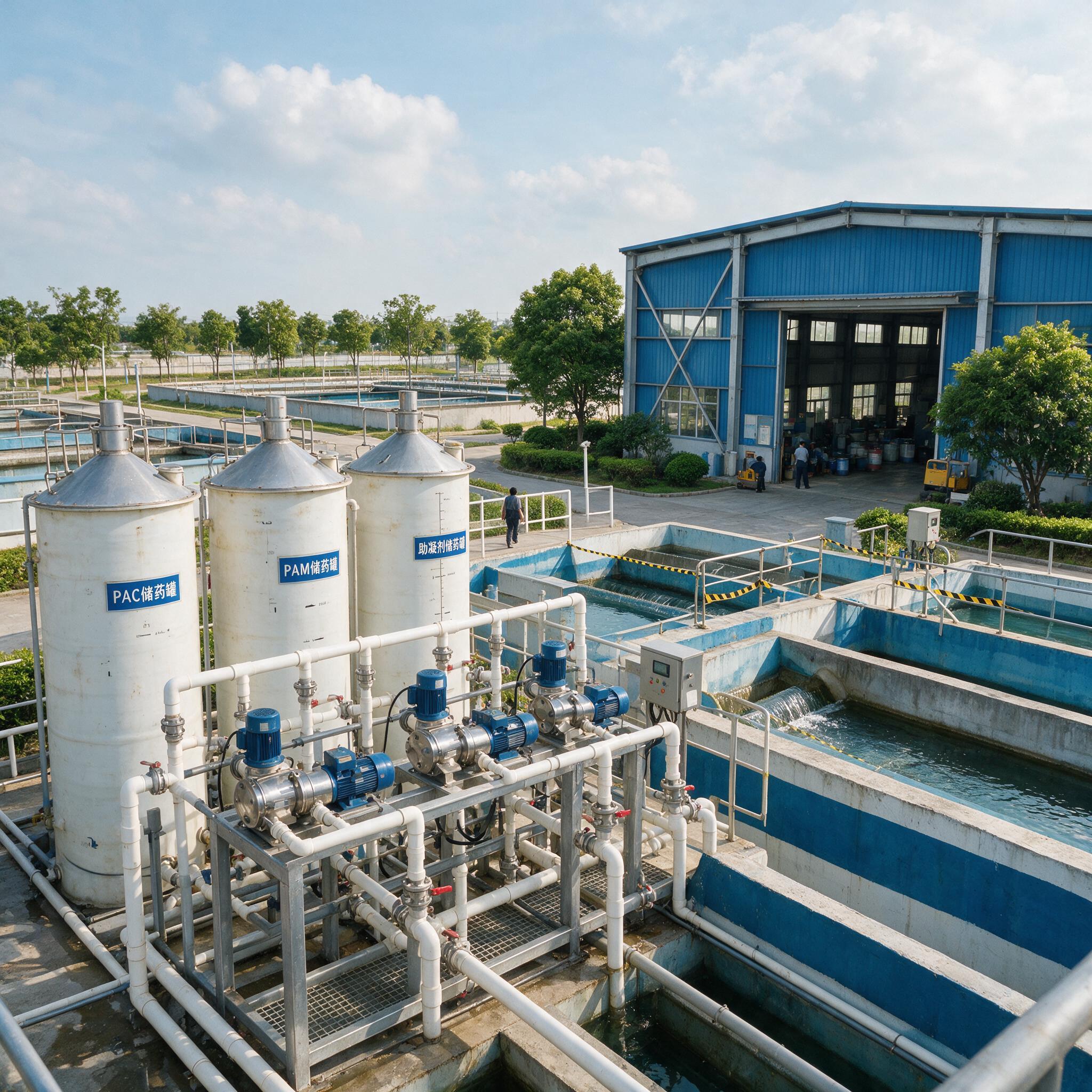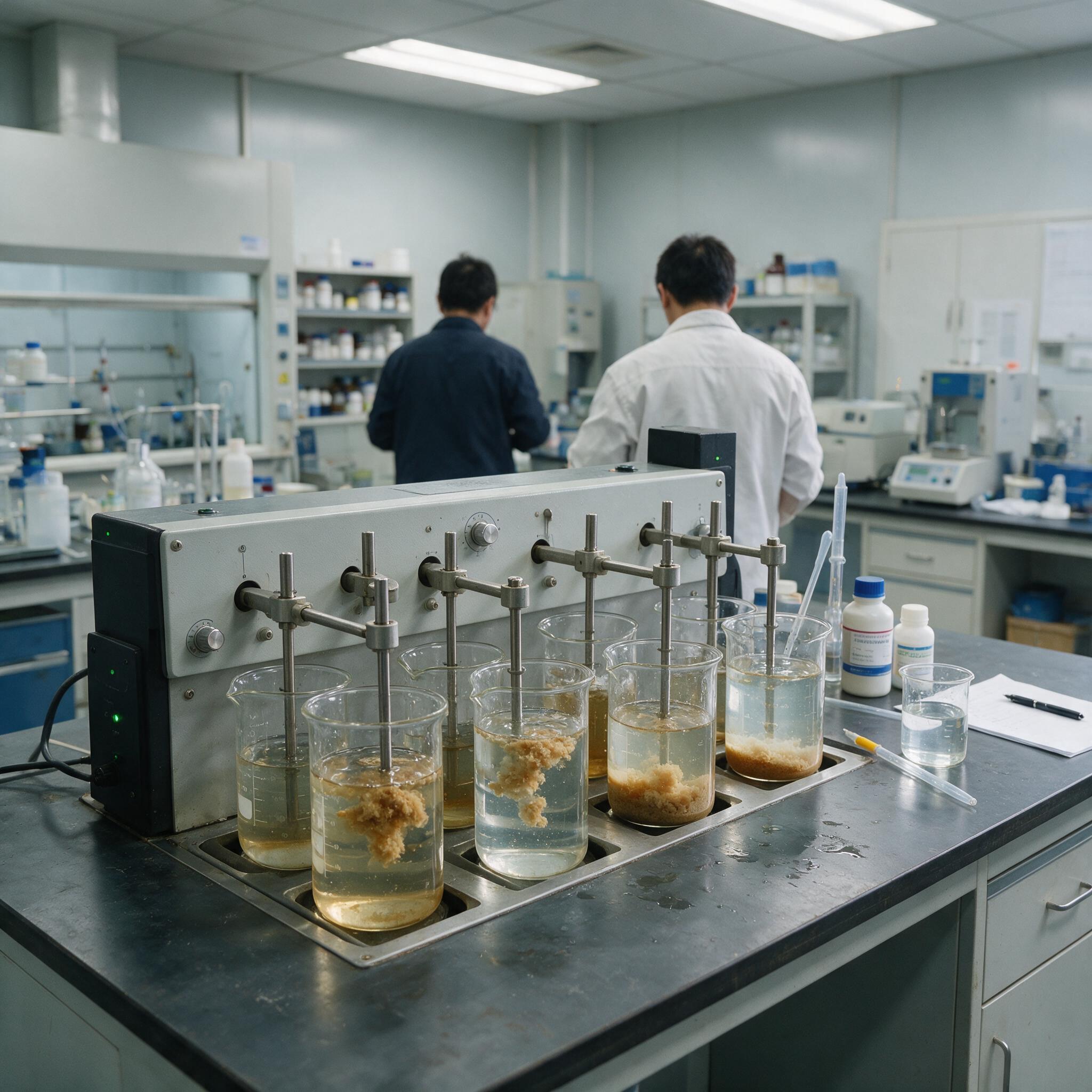
Cationic polyacrylamide polymer (CPAM) is a synthetic water-soluble polymer extensively used in water and wastewater treatment, mineral processing, papermaking, and many other industrial applications. Its unique ability to neutralize negative charges on suspended particles makes it an effective flocculant, promoting aggregation and settling. In this article, we delve deep into the chemistry, mechanisms, and diverse uses of CPAM, emphasizing how Jiangsu Feymer Technology Co., Ltd. has positioned itself as a leading supplier. Understanding the molecular structure is key: CPAM is a copolymer of acrylamide and a cationic monomer, such as acryloyloxyethyltrimethylammonium chloride or dimethyl diallyl ammonium chloride. Altering the ratio of these monomers allows manufacturers to control charge density and molecular weight, tailoring the polymer for specific functions.