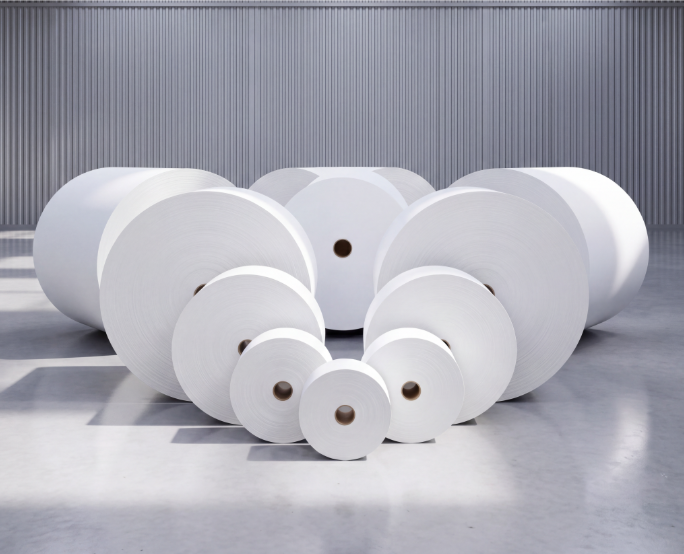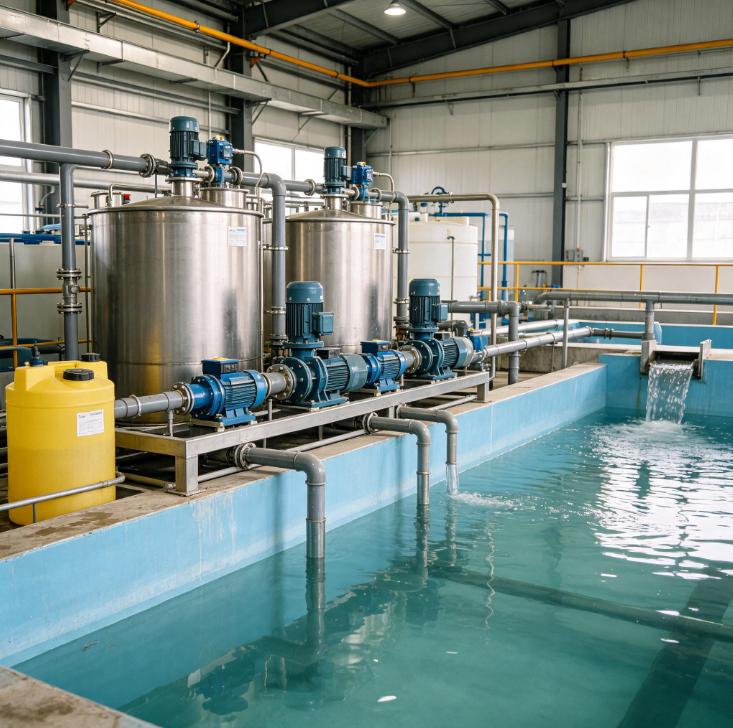
Cationic polyacrylamide (CPAM) is a versatile water-soluble polymer that plays a crucial role in modern water and wastewater treatment, as well as various industrial processes. Derived from the polymerization of acrylamide with cationic monomers, it possesses a positive charge that effectively neutralizes and bridges negatively charged particles in suspension, facilitating flocculation and sedimentation. This makes it indispensable for treating turbid waters, dewatering sludge, and enhancing process efficiency in industries such as pulp and paper, mining, and textiles. For example, in municipal wastewater treatment plants, CPAM is used to improve solid-liquid separation, resulting in cleaner effluent and reduced disposal costs. In the paper industry, it acts as a retention aid, improving fiber and filler retention, thereby enhancing paper quality and reducing raw material consumption.