Cationic Polyacrylamide for Wastewater | Feymer

showlist/cationic-polyacrylamide-for-wastewater, showlist/cationic-polyacrylamide-for-wastewater, 
Inquiry
showlist/cationic-polyacrylamide-for-wastewater, showlist/cationic-polyacrylamide-for-wastewater, 
Inquiry
Cationic Polyacrylamide for Wastewater Treatment | Feymer

Cationic Polyacrylamide for Wastewater Treatment | Feymer

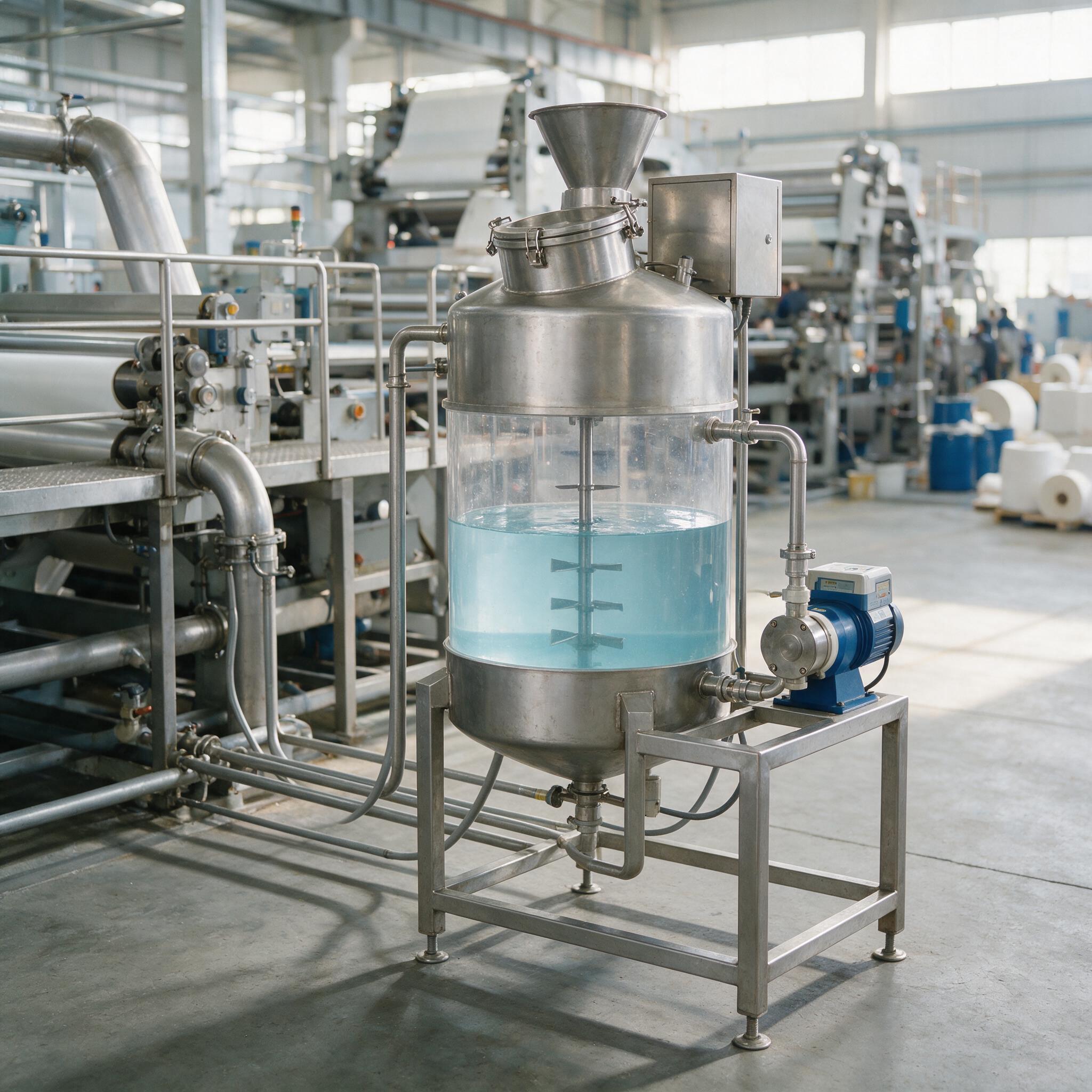
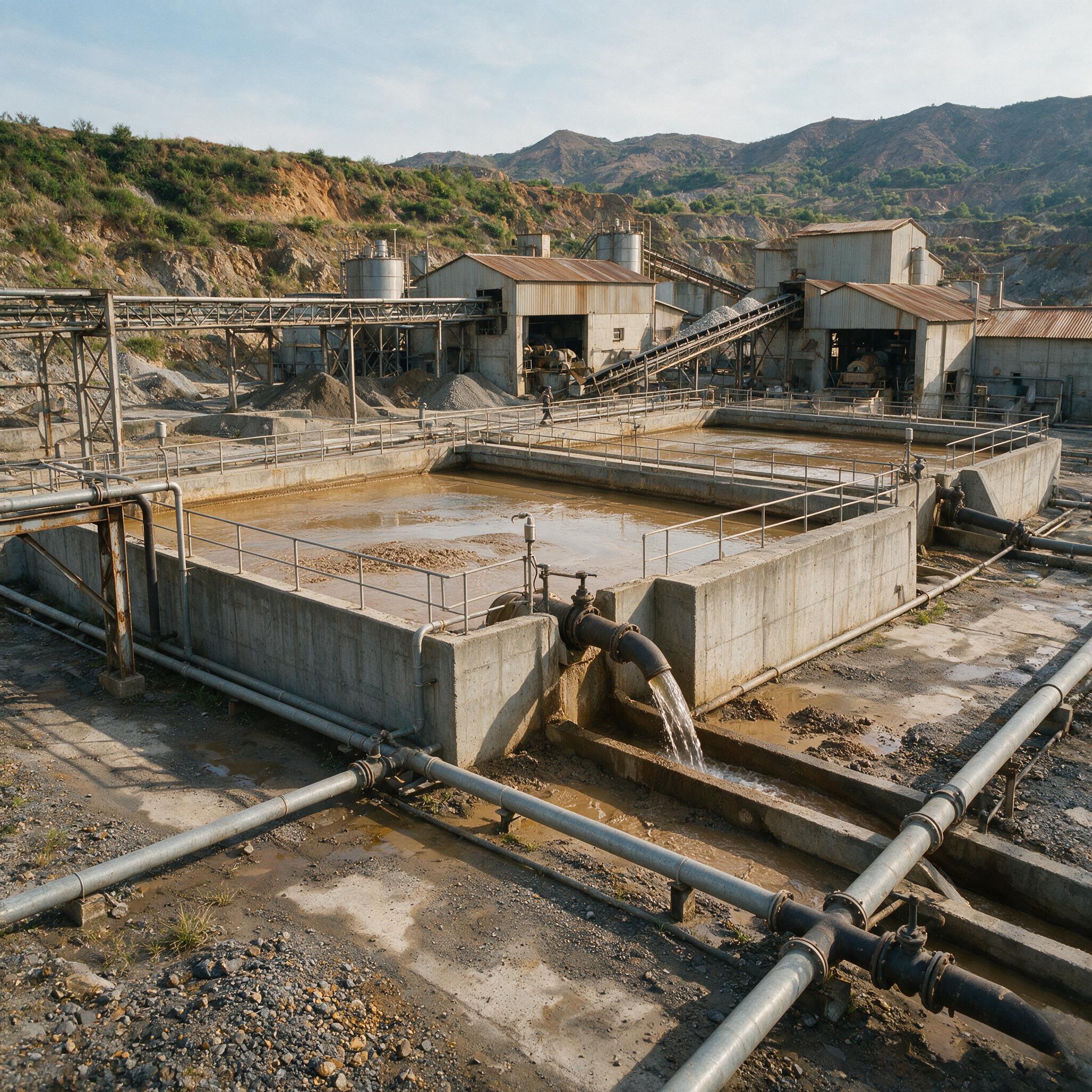
Discover high-performance cationic polyacrylamide for wastewater at Jiangsu Feymer Technology. Engineered with high molecular weight, controlled charge density, and rapid dissolution, our polymer excels in flocculation, heavy metal removal, and sludge dewatering. Serving diverse sectors like pulp, paper, and petrochemicals with three advanced production bases, we deliver eco-friendly, cost-effective water solutions. Our AI-empowered synthesis ensures superior settling rates, reduced polymer usage, and strict environmental compliance. Partner with us for custom grades, technical support, and sustainable water treatment excellence.
Get A Quote

Advantages of the product

Superior Flocculation Efficiency

Our cationic polyacrylamide for wastewater offers exceptional flocculation efficiency, enabling rapid aggregation of suspended solids and colloids. Field trials show up to 40% improvement in settling rates and 30% reduction in polymer usage, ensuring clearer effluent and lower chemical costs.

Enhanced Sludge Dewatering

Significantly enhances sludge dewatering, producing drier cake solids and reducing final disposal expenses. The polymer improves primary and secondary sludge conditioning, cutting moisture content by up to 25% and lowering transport costs.

Rapid Dissolution and Stability

Engineered for rapid molecular unwinding and complete dissolution in cold or hard water. Maintains flocculation efficacy across a broad pH spectrum (pH 4–11) and in high salinity, ensuring reliable performance in complex industrial streams.

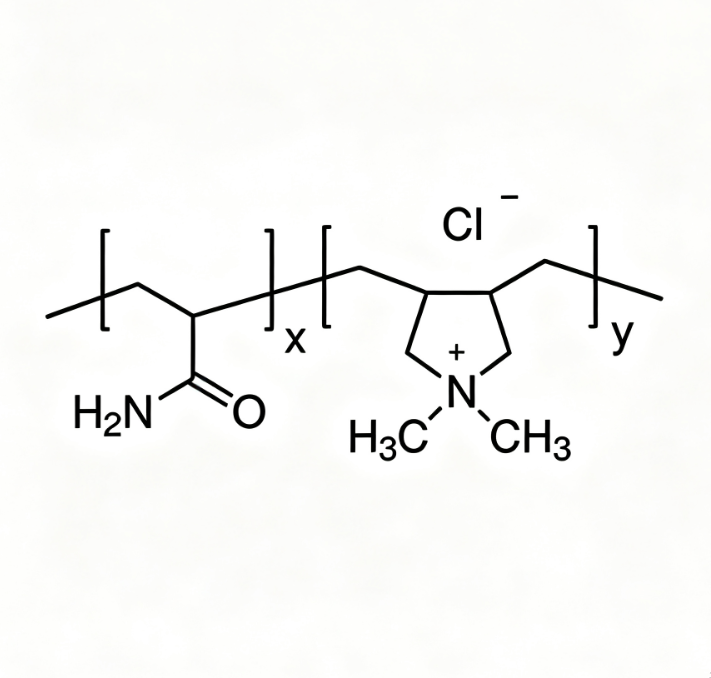
In wastewater treatment, cationic polyacrylamide (CPAM) is pivotal for achieving compliance and efficiency. CPAM aggregates small particles into large flocs via electrostatic attraction and polymer bridging, removing COD, BOD, and TSS. At Jiangsu Feymer Technology, we combine deep polymer chemistry with continuous manufacturing to maintain consistency and low residual monomer, helping clients reduce their water footprint.

Frequently Questions

How does cationic polyacrylamide remove pollutants?

Cationic polyacrylamide (CPAM) operates via two principal mechanisms: charge neutralization and polymer bridging. Wastewater particles typically carry a negative surface charge, which prevents them from aggregating. The cationic sites on the polymer bind to these anionic particles, neutralizing the charge and reducing repulsive forces. Simultaneously, the long polymer chains adsorb onto multiple particles, forming bridges that create large, dense flocs. These flocs settle rapidly under gravity or can be removed by dissolved air flotation or filtration.
The optimal dosage varies with the characteristics of the wastewater, including pH, turbidity, organic content, and temperature. Typically, dosages range from 1–10 ppm for high-clarity effluents, but industrial streams with high COD may require up to 50 ppm. It is crucial to perform a jar test to determine the precise dose that produces a clear supernatant with minimal polymer residual. Overdosing can cause restabilization of particles and excessive sludge or polymer residues, while underdosing fails to achieve desired clarification.

Related Articles

What is DADMAC and How Does it Support Polymer Synthesis?

17

Jul

What is DADMAC and How Does it Support Polymer Synthesis?

Discover how DADMAC supports high-performance polymer synthesis. Feymer provides high-purity cationic monomer solutions for water treatment and papermaking.
View More
Flocculant Selection Standard for Municipal Sewage Plant

28

Jul

Flocculant Selection Standard for Municipal Sewage Plant

Discover the essential flocculant selection standards for municipal sewage plants. Feymer delivers high-performance polymer solutions for efficient sludge dewatering.
View More
Cost-Effective Anionic Polymer for Mine Tailings Treatment

04

Sep

Cost-Effective Anionic Polymer for Mine Tailings Treatment

Optimize mine tailings treatment with cost-effective anionic polymer solutions. Enhance filtration, water recovery, and sustainability with Feymer.
View More

Customer Testimonials

Ahmed Al-Rashidi
Reliable Performance in Petrochemicals

We switched to Feymer’s cationic polyacrylamide for mixed refinery and chemical effluents. It reduced our COD by 35% and produced 28% drier sludge, cutting disposal costs significantly. * Ahmed Al-Rashidi, Senior Process Engineer, Gulf Petrochemicals

Maria González
Cost-Effective Municipal Solution

Feymer’s cationic polyacrylamide proved to be the most effective solution for our municipal plant, reducing polymer usage by 20% while improving centrifuge dewatering and cake dryness. * Maria González, Operations Manager, City of Valencia Water Treatment

Get a Free Quote

Our representative will contact you soon.
0/1000
Customizable Polymerization for Precise Ionic Charge

Customizable Polymerization for Precise Ionic Charge

Our ability to fine-tune the ionic charge of cationic polyacrylamide for wastewater precisely matches your specific effluent characteristics. Using proprietary manufacturing technology, we produce a wide spectrum of charge densities from low to ultra-high. This level of customization ensures optimal alignment with the zeta potential of suspended solids, enhancing settling speeds by up to 25%, lowering chemical consumption, and reducing sludge volume. With no minimum volume constraints for custom orders, we eliminate trial-and-error at your facility, accelerating commissioning and ensuring seamless integration with existing coagulation systems. Trust our engineers to deliver exact chemistry.
Integrated Sustainability and AI-Enhanced Manufacturing

Integrated Sustainability and AI-Enhanced Manufacturing

Feymer aligns production with global sustainability goals through a solvent-free synthesis process that reduces energy and water consumption. Our facilities utilize AI-empowered process control to track real-time variables, ensuring batch-to-batch consistency and ultra-low residual acrylamide monomer for enhanced safety. We have successfully reduced our carbon footprint by 30% over five years and support clients in calculating their water footprint reductions. A take-back program for empty packaging further contributes to the circular economy, helping your organization achieve ESG targets while maintaining regulatory compliance and anticipating tighter environmental standards.