Water Treatment Cationic Polyacrylamide

showlist/water-treatment-cationic-polyacrylamide, showlist/water-treatment-cationic-polyacrylamide, 
Inquiry
showlist/water-treatment-cationic-polyacrylamide, showlist/water-treatment-cationic-polyacrylamide, 
Inquiry
High-Performance Water Treatment Cationic Polyacrylamide Solutions

High-Performance Water Treatment Cationic Polyacrylamide Solutions

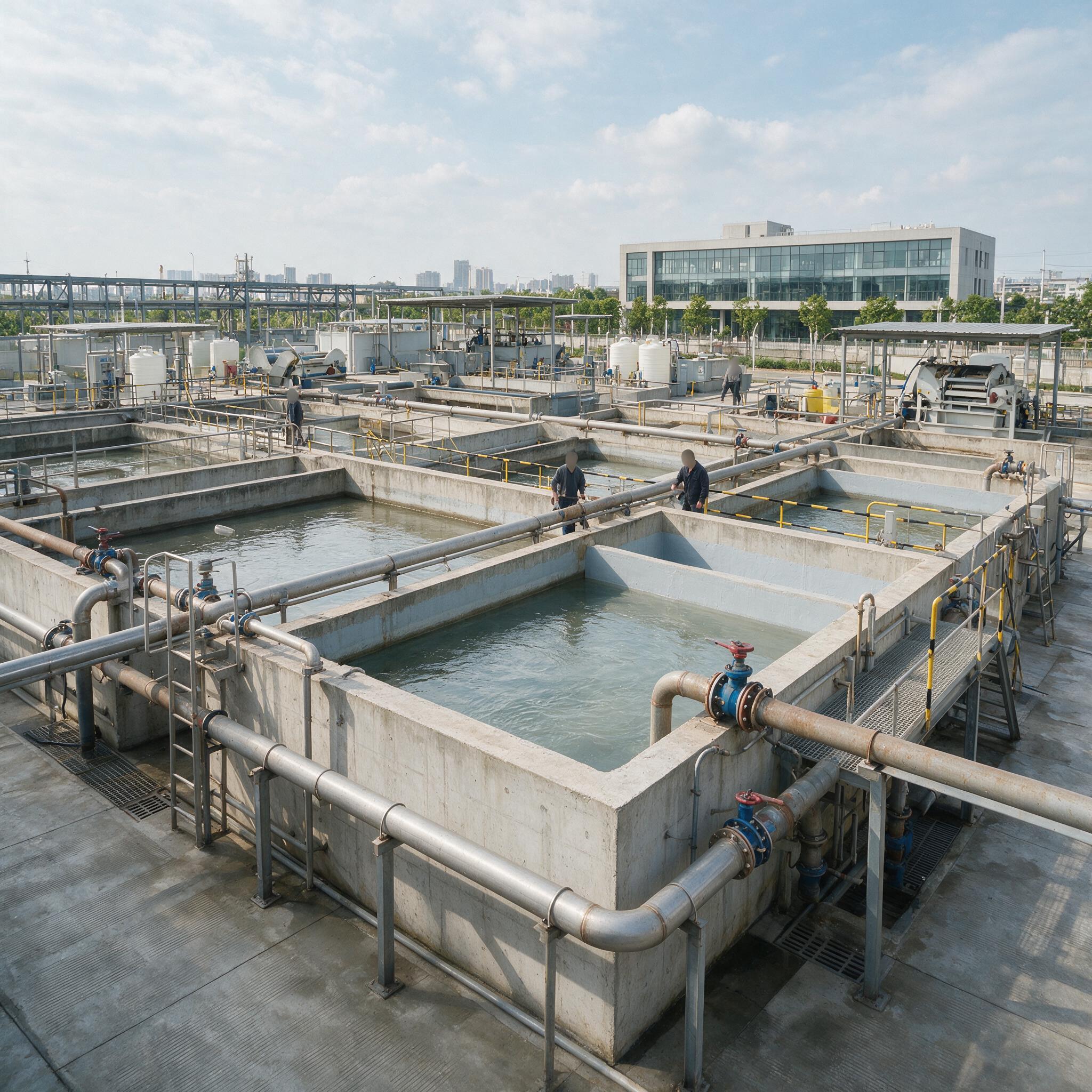
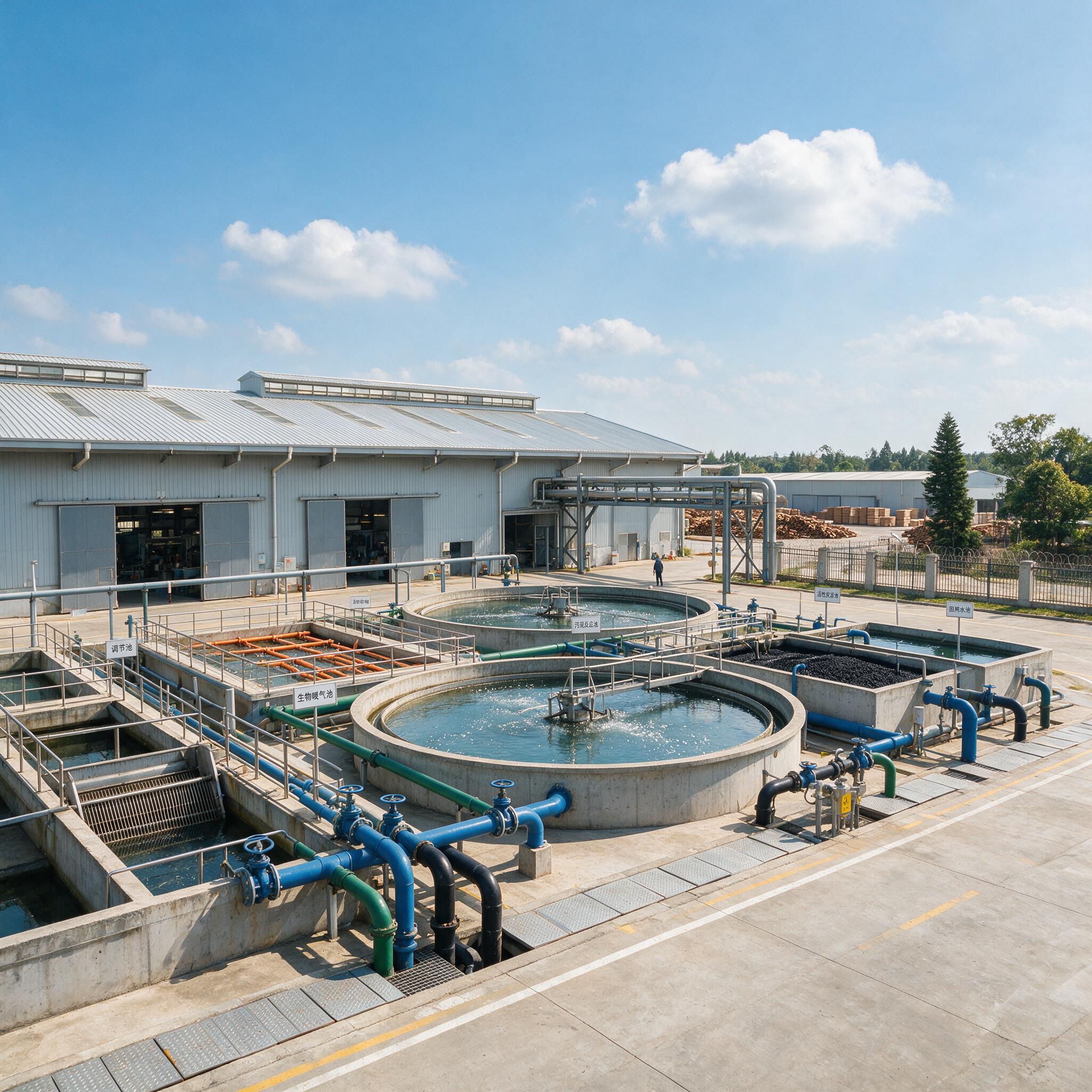
Water treatment cationic polyacrylamide is a high-molecular-weight, water-soluble polymer specifically engineered for efficient solid-liquid separation, sludge dewatering, and turbidity reduction in industrial and municipal water treatment processes. As a leading provider, Jiangsu Feymer Technology Co., Ltd. delivers premium-grade cationic polyacrylamide products that feature high charge density, rapid dissolution, and exceptional flocculation performance. Our solutions are tailored for diverse applications including pulp and paper processing, oil and gas production, fine chemicals, textile dyeing, and advanced water treatment systems. With over a decade of expertise, three production bases, and five state-of-the-art factories across Jiangsu and Anhui, Feymer ensures consistent quality, reliable supply, and innovative solutions backed by AI-empowered water treatment technologies.
Get A Quote

Advantages of the product

Superior Flocculation Performance

Our water treatment cationic polyacrylamide exhibits exceptional flocculation capabilities, rapidly aggregating suspended solids, colloids, and organic matter. The high intrinsic viscosity and tailored charge density facilitate strong bridging and charge neutralization, even in low-turbidity or high-organic-load water. This results in faster settling rates, clearer supernatant, and improved filtration performance. Whether treating municipal sewage, industrial effluents, or process water, our polymer ensures optimal solid-liquid separation, reducing the need for additional coagulants and lowering overall treatment costs. The product's efficiency is maintained across a wide pH range (4-10) and varying temperatures, making it versatile for diverse operational conditions. Its rapid dissolution in water minimizes mixing time and energy consumption, while its long-chain structure ensures robust floc formation that withstands shear forces in high-flow systems.

Efficient Sludge Dewatering

Water treatment cationic polyacrylamide is unrivaled in enhancing sludge dewatering processes. Its strong flocculation action binds fine particles into dense, porous cakes that release water more easily during mechanical dewatering (e.g., belt presses, centrifuges). This leads to higher dry solids content in the final cake, significantly reducing sludge volume and disposal costs. Our polymer reduces the hydration of sludge, improving the performance of dewatering equipment and lowering energy consumption. It also minimizes the carryover of suspended solids in the filtrate, ensuring cleaner water that can be recycled or safely discharged. By optimizing polymer dosage and floc structure, we help facilities achieve faster dewatering cycles and lower polymer consumption without compromising cake quality.

Facilitates Solid-Liquid Separation in Industrial Processes

Our water treatment cationic polyacrylamide plays a pivotal role in enhancing solid-liquid separation across many industries. In pulp and paper manufacturing, it aids in retention, drainage, and dewatering, improving machine speed and fiber recovery. In oil and gas operations, it assists in water treatment for enhanced oil recovery and produced water management, ensuring cleaner effluents. For fine chemical and textile processes, it clarifies process streams and removes color and impurities. The polymer's high molecular weight and controlled charge density enable effective flocculation even at low dosages, reducing chemical costs and sludge generation. Its performance is optimized by Feymer’s technical support team, who assist in selecting the right grade and dosage for site-specific applications. Additionally, our product is designed to be introduced via standard dissolution and dosing systems, requiring minimal capital investment.

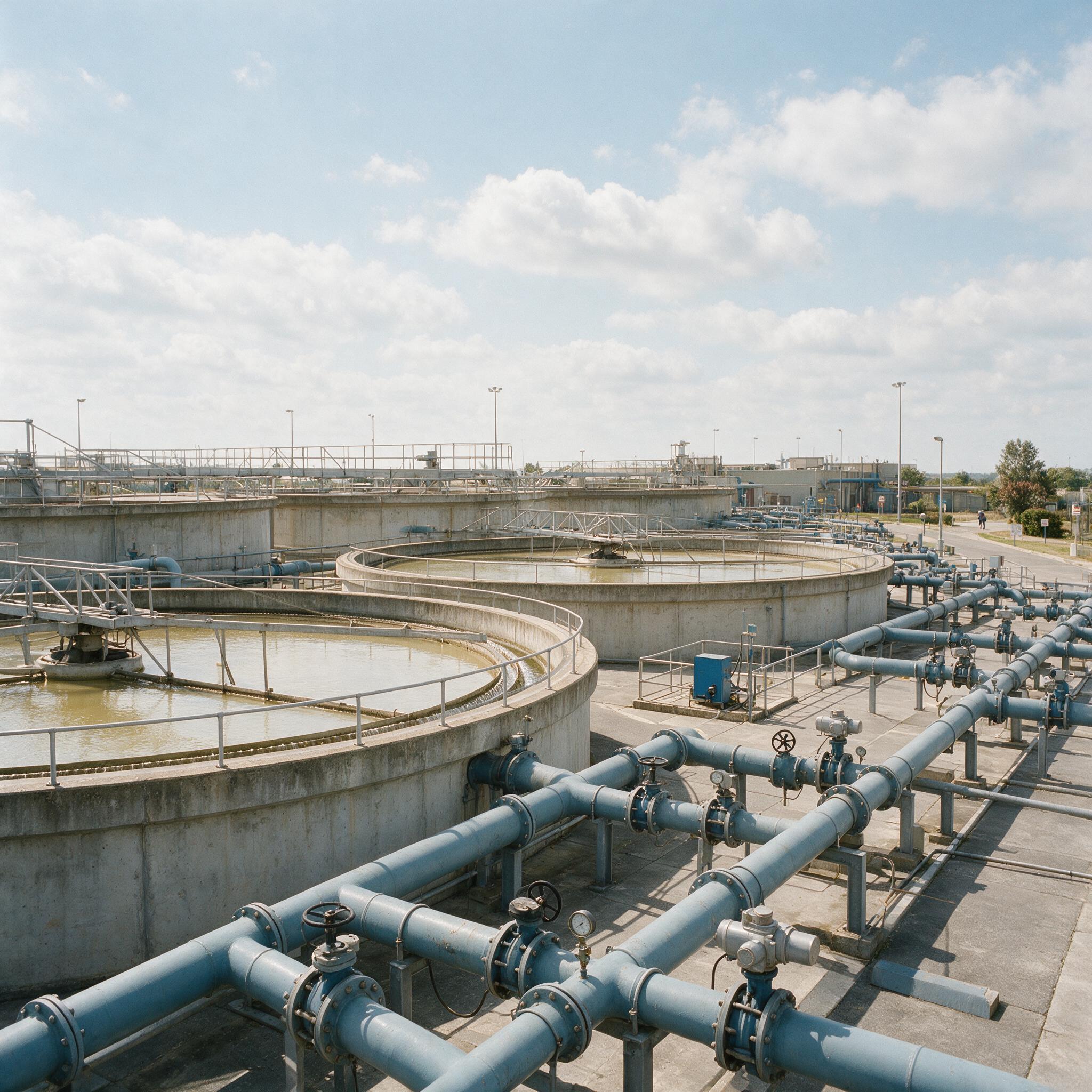
Water treatment cationic polyacrylamide (CPAM) is an essential chemical for modern water treatment facilities, providing effective solutions for sludge dewatering, turbidity reduction, and solid-liquid separation. As industries face stricter environmental regulations and increasing water scarcity, the demand for high-performance treatment chemicals continues to grow. Cationic polyacrylamide, with its positive charge, effectively neutralizes negatively charged colloidal particles and organic pollutants, causing them to aggregate into larger flocs that can be easily removed. Its long polymer chains create strong bridging interactions, making it extremely effective in treating wastewater from municipal, industrial, and agricultural sources. In municipal settings, CPAM is widely used in the thickening and dewatering of sewage sludge, helping to reduce disposal volumes and associated costs.

Frequently Questions

How does cationic polyacrylamide work in water treatment?

Cationic polyacrylamide works via two primary mechanisms: charge neutralization and bridging flocculation. The polymer carries positive charges along its chain that neutralize the negative surface charges of colloidal particles and suspended solids typically found in water. This reduces electrostatic repulsion, allowing particles to come together to form microflocs. Simultaneously, the long polymer chains extend into the solution and adsorb onto multiple particles, creating bridges that link them into larger, heavier flocs. These larger flocs then settle out rapidly under gravity or can be removed by filtration, centrifugation, or flotation. The efficiency of this process depends on the polymer's molecular weight, charge density, and dose.
Determining the optimal dosage of cationic polyacrylamide requires careful evaluation. It begins with jar testing: a series of samples are treated with varying doses of polymer, and the settling rate, supernatant clarity, and other parameters are measured to identify the dose that provides the best performance. Factors such as turbidity, color, organics, and solids content influence the demand. Typically, an optimal dose is one that achieves high flocculation with minimal polymer use to maximize cost-effectiveness. Overdosing can lead to restabilization of particles and poor settling, while underdosing results in insufficient clarification. In practice, dosages range from a few parts per million to tens of ppm, depending on the application.

Related Articles

How to Use Anionic Polyacrylamide Correctly?

30

Jul

How to Use Anionic Polyacrylamide Correctly?

Learn how to use anionic polyacrylamide correctly for water treatment. Feymer provides expert guidance and high-performance polymer solutions.
View More
Why Use PDADMAC in Wastewater Treatment?

10

Aug

Why Use PDADMAC in Wastewater Treatment?

Discover why pdadmac is essential in wastewater treatment. Explore its chemical mechanism, industrial applications, economic benefits, and expert solutions from Feymer.
View More
What Are DADMAC Applications in Industry?

20

Sep

What Are DADMAC Applications in Industry?

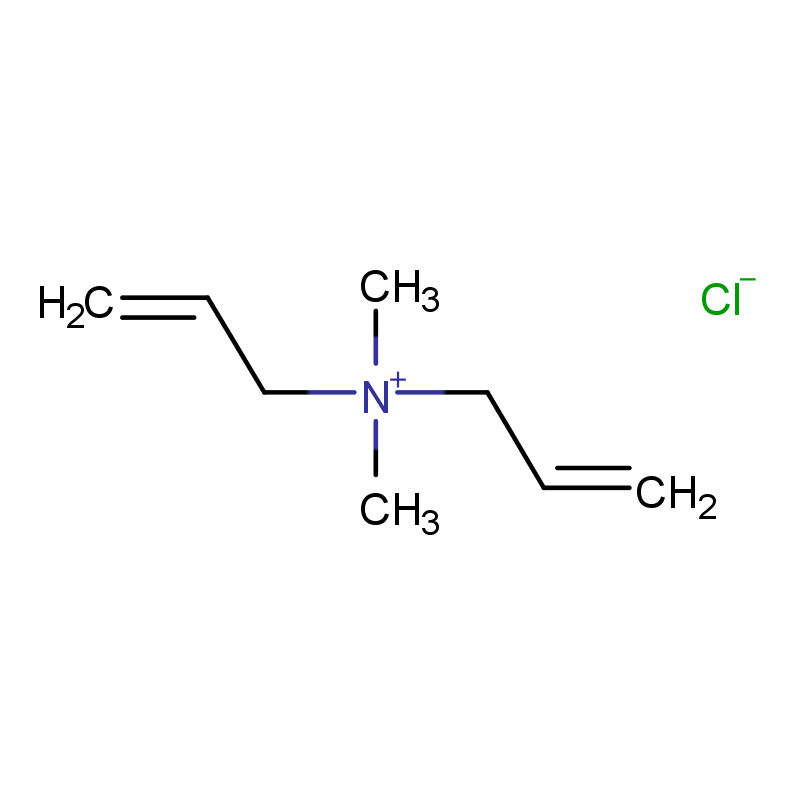
Explore key dadmac applications in water treatment, papermaking, and textiles. Discover how high-purity diallyldimethylammonium chloride boosts efficiency.
View More

Customer Testimonials

Pim Ward
Exceptional Quality and Performance

We have been using Feymer’s water treatment cationic polyacrylamide for over two years at our municipal wastewater plant. The product’s consistency and performance are superb. Our sludge dewatering efficiency has improved by 30%, and we have reduced polymer dosage by 15% compared to previous suppliers. The flocs are dense and easy to dewater, and the water clarity meets discharge standards with ease.

Orson Reed
Reliable Solution for Our Industrial Effluent

As a textile manufacturer, we faced challenges with highly colored wastewater. Feymer’s cationic polyacrylamide powder solved our problem effectively. It quickly forms large flocs and reduces the chemical oxygen demand dramatically. The product dissolves easily and is easy to use. Their team provided excellent support in selecting the right grade, and we now achieve a clear effluent that can be heavily reused onsite.

Get a Free Quote

Our representative will contact you soon.
0/1000
AI-Empowered Optimization Integration

AI-Empowered Optimization Integration

Feymer stands at the forefront of digital water treatment by integrating AI-powered systems that leverage real-time data to optimize polymer usage. Our smart dosing controllers can predict the required amount of cationic polyacrylamide based on incoming water quality metrics such as turbidity, flow rate, and pH. This innovation dramatically improves treatment efficiency, minimizes chemical waste, and ensures environmental compliance. By using machine learning algorithms, our system continuously learns and adjusts dosing parameters, ensuring optimal performance even under variable influent conditions. Clients benefit from reduced chemical costs, lower energy consumption, and minimized operator intervention. Our AI integration is part of our broader mission to make every waterprint count, aligning with global sustainability goals. With our smart system, you not only get a high-performance chemical, but a complete solution that enhances your operational intelligence.
Stringent Quality Control for Consistency

Stringent Quality Control for Consistency

At Feymer, we understand the importance of product consistency for process stability. Our water treatment cationic polyacrylamide is manufactured under rigorous quality control measures. We use advanced production lines with automated monitoring to ensure every batch meets exact specifications for molecular weight, charge density, and dissolution rate. Our in-house quality laboratory conducts comprehensive tests using standardized methods, including viscosity, cationicity, and purity analysis. Additionally, we store and handle raw materials under controlled conditions to prevent degradation. We also provide certificates of analysis with each shipment, allowing our customers to verify product quality. This attention to quality ensures that our polymer performs predictably in your application, reducing downtime and variability. Our commitment to consistency is one reason why global clients trust us as their long-term supplier.