Cationic Polyacrylamide Uses | Feymer Water Solutions

showlist/cationic-polyacrylamide-uses, showlist/cationic-polyacrylamide-uses, 
Inquiry
showlist/cationic-polyacrylamide-uses, showlist/cationic-polyacrylamide-uses, 
Inquiry
Cationic Polyacrylamide Uses in Industrial Water Treatment

Cationic Polyacrylamide Uses in Industrial Water Treatment

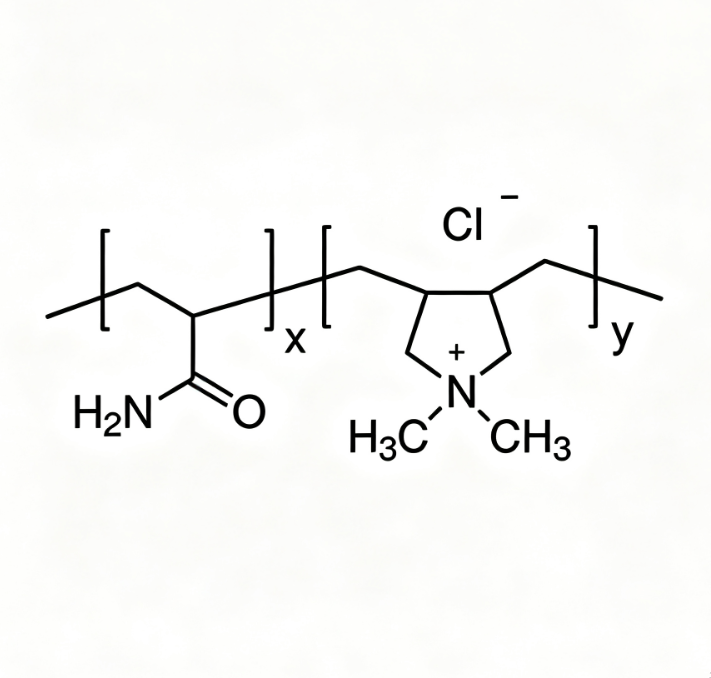
Cationic polyacrylamide (CPAM) is a high-performance water-soluble polymer essential for industrial wastewater clarification, municipal sludge dewatering, and specialized papermaking. Jiangsu Feymer Technology Co., Ltd. is a premier water treatment chemical manufacturer founded in 2010. Guided by our mission, "Making Every Waterprint Count," we operate three production bases and five advanced facilities with an annual capacity exceeding 100,000 tons. Cationic polyacrylamide uses encompass key application scenarios including municipal sludge conditioning, oily wastewater separation, textile dyeing color removal, and mining tailings thickening. Engineered with customizable charge densities (10% to 60%) and high molecular weights (8 to 20 million Daltons), Feymer's CPAM products deliver rapid flocculation and superior water release. This allows industrial clients to reduce polymer consumption by 15-20% and achieve up to 30% lower sludge cake moisture, significantly cutting disposal costs.
Get A Quote

Advantages of the product

Exceptional Flocculation Efficiency

Cationic polyacrylamide uses rely on positive charges to neutralize negatively charged wastewater particles. Engineered with high charge density and optimal molecular weight, Feymer's CPAM enables rapid floc formation in acidic or alkaline streams. In sludge dewatering, it produces dense flocs that cut sludge cake moisture by up to 30%. Clients reduce polymer dosage by 15-20% compared to standard products, while fast dissolution lowers energy use and operational costs.

Superior Adaptability and Customization

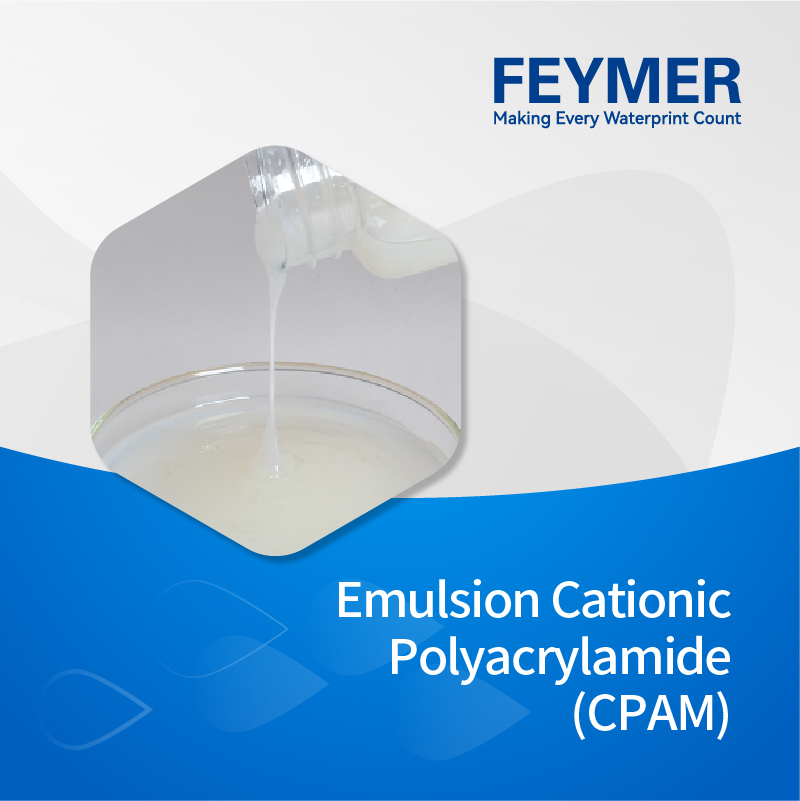
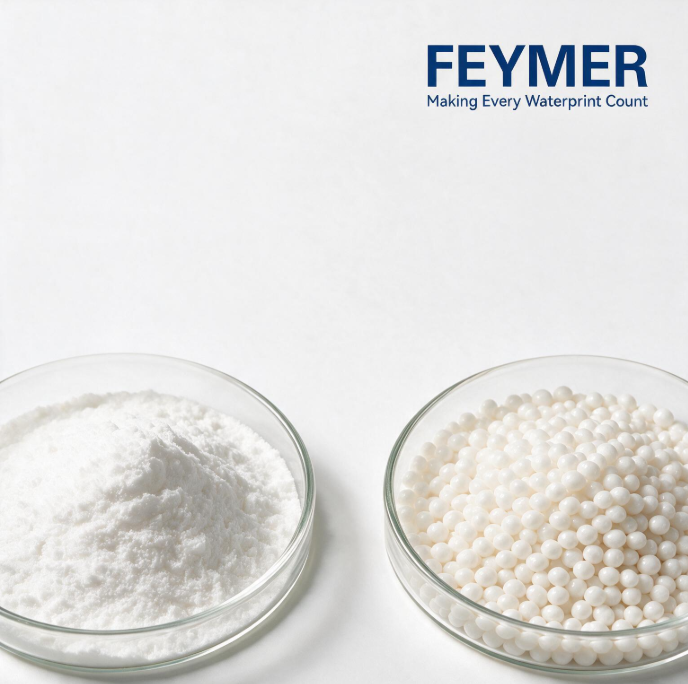
Feymer offers diverse cationic polyacrylamide grades with molecular weights from 8 to 20 million Daltons and charge densities from 10% to 60%. Our technical team tailors formulations to specific water chemistry, whether for municipal sludge, oily wastewater, or paper pulp. Available in powder, emulsion, gel, and fast-hydrating microbead forms, our CPAM ensures optimal bridging, reduced downtime, and efficient solid-liquid separation across global industrial systems.

Sustainable and Eco-Friendly Formulations

We prioritize sustainability by keeping residual acrylamide monomer below 0.02%, ensuring strict environmental and health safety. Our bio-based manufacturing process reduces energy consumption and carbon emissions. By decreasing sludge volume and supporting resource recovery like biogas and reclaimed water, Feymer's cationic polyacrylamide helps industries meet stringent discharge regulations while contributing to clean water initiatives and circular economy goals.

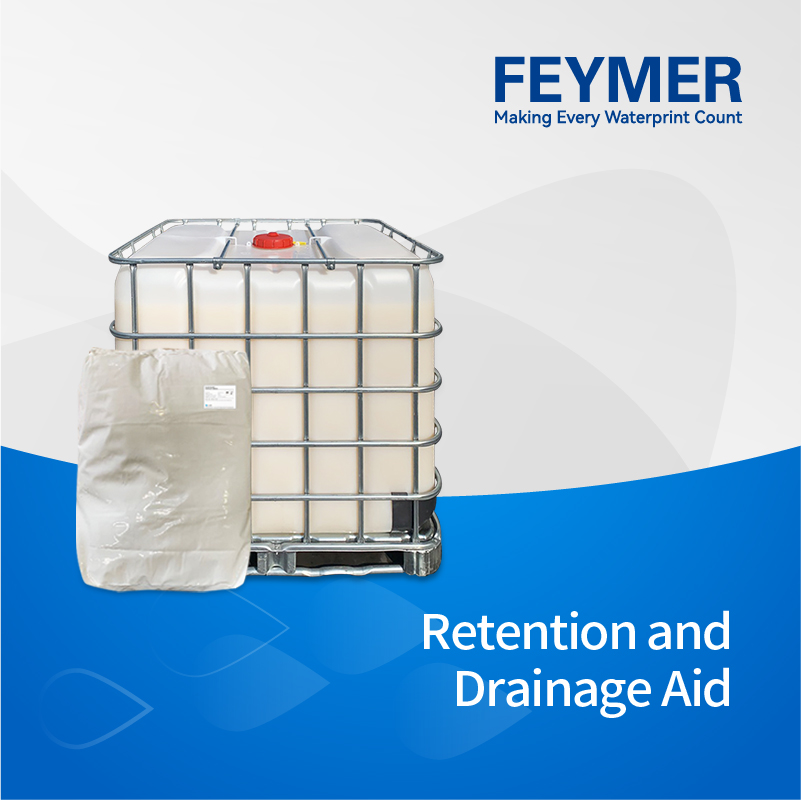
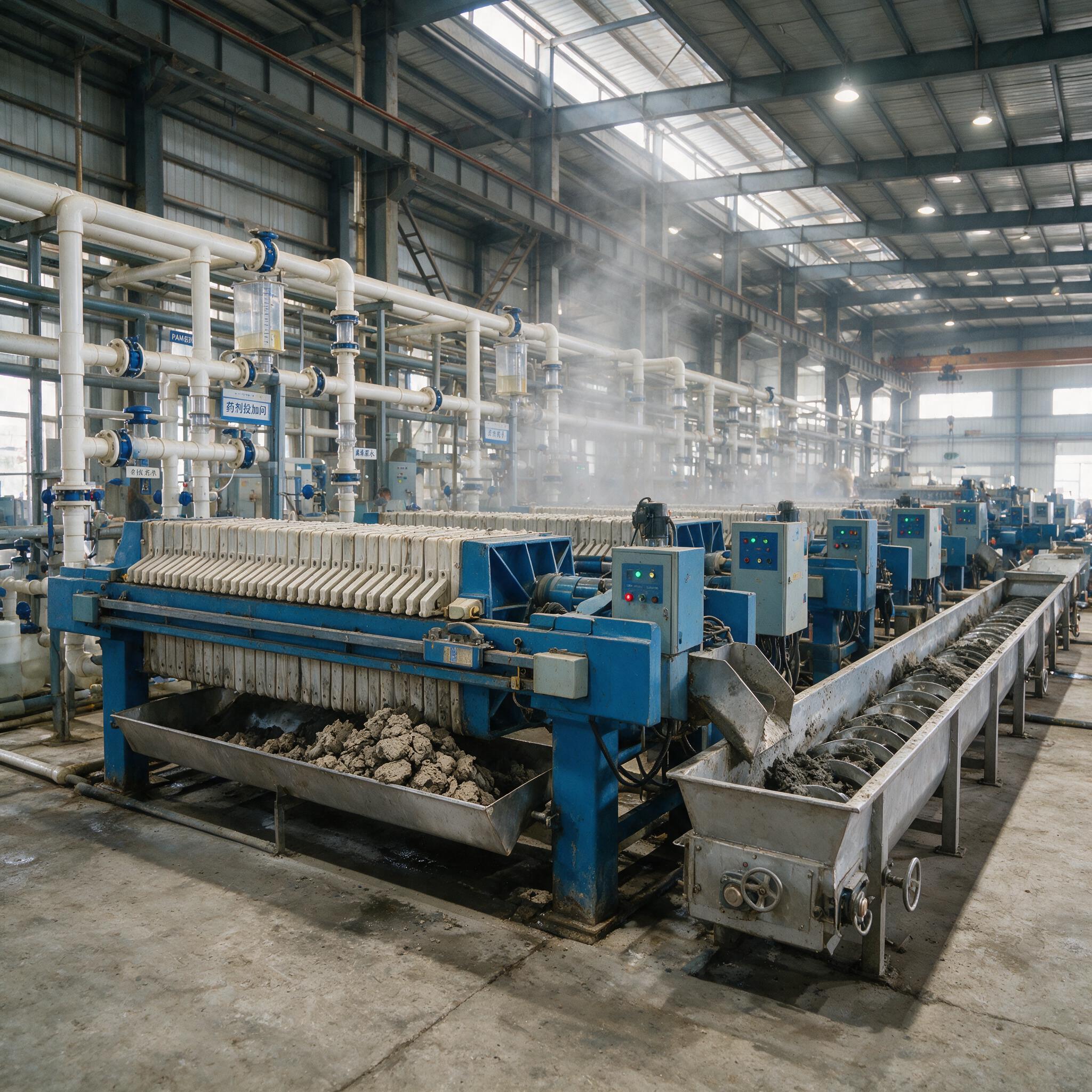
Cationic polyacrylamide uses span a wide range of essential industrial processes. As a high-molecular-weight polymer, CPAM carries positive charge centers that attract and neutralize negatively charged colloidal particles in wastewater, forming large, compact flocs. In municipal sludge conditioning, it releases bound water to yield drier filter cakes. In the paper industry, cationic polyacrylamide serves as a retention and drainage aid, improving fiber yield and sheet strength. Textile facilities utilize CPAM to remove reactive dyes, while oilfield operations rely on it for oily water separation. Feymer produces over 100,000 tons annually across five state-of-the-art facilities, integrating bio-based synthesis and automated process controls to ensure consistent polymer quality worldwide.

Frequently Questions

What are the primary cationic polyacrylamide uses in water treatment?

Cationic polyacrylamide uses center on optimizing solid-liquid separation across municipal and industrial systems. In municipal wastewater plants, CPAM is extensively applied for sludge conditioning prior to belt pressing or centrifugation. By neutralizing negative charges on organic particles, it aggregates fine solids into heavy flocs, dramatically lowering sludge volume and disposal expense. Industrial facilities in food processing, textiles, and petrochemicals utilize CPAM to clarify process streams, remove suspended solids, and separate emulsified oils. In papermaking, CPAM enhances retention of fibers and fillers while improving drainage rates on forming wires, boosting productivity.
Feymer's cationic polyacrylamide delivers significant economic benefits through lower required dosage and higher operational performance. Advanced polymerization produces high intrinsic viscosity and uniform charge distribution, allowing clients to reduce polymer consumption by 15-20% compared to standard alternatives. Improved dewatering efficiency produces drier sludge cakes with up to 30% less moisture, substantially cutting transport and tipping fees. Furthermore, quick dissolution times reduce energy usage and mixing wear. Combined with reliable quality that prevents batch failures, Feymer's CPAM minimizes the overall operational cost of industrial water treatment.

Related Articles

Paper Processing Aids for Increased Sheet Strength

16

Jul

Paper Processing Aids for Increased Sheet Strength

Enhance your papermaking process with high-performance paper processing aids. Feymer provides professional chemical solutions to boost sheet strength and efficiency.
View More
What is DADMAC and How Does it Support Polymer Synthesis?

17

Jul

What is DADMAC and How Does it Support Polymer Synthesis?

Discover how DADMAC supports high-performance polymer synthesis. Feymer provides high-purity cationic monomer solutions for water treatment and papermaking.
View More
Anionic Polyacrylamide for Mineral Tailings

19

Aug

Anionic Polyacrylamide for Mineral Tailings

Discover how high-performance anionic polyacrylamide optimizes tailings dewatering for mines. Improve efficiency and sustainability with Feymer solutions.
View More

Customer Testimonials

David Miller
Exceptional Performance in Municipal Sludge Dewatering

Feymer's cationic polyacrylamide reduced our sludge dewatering dosage from 8 kg/t to 5 kg/t while dropping cake moisture to 75%. This saved us thousands in hauling fees. The flocs form quickly and filter press cycles are significantly shorter. Highly recommended for municipal plants.

Anita Desai
Superb Flocculant for Textile Wastewater Treatment

We switched to Feymer's cationic polyacrylamide for textile dye removal and achieved remarkable results. Water color dropped below 100 Pt-Co with a dosage of only 2 ppm, cutting our chemical costs by 28%. Their technical team provided great support in customizing the right formulation.

Get a Free Quote

Our representative will contact you soon.
0/1000
Advanced Polymerization for Ultra-Low Monomer Content

Advanced Polymerization for Ultra-Low Monomer Content

Feymer utilizes proprietary polymerization technology to achieve residual acrylamide monomer levels below 0.02%, significantly better than the industry standard of 0.1%. Through precise temperature controls and proprietary initiator systems, we produce a safer cationic polyacrylamide polymer that meets strict international environmental and drinking water standards. This structural uniformity enhances bridging efficiency and floc stability while minimizing health risks for plant operators. By lowering monomer residuals, our CPAM offers superior performance at reduced dosages, giving clients an eco-friendly edge while fulfilling strict regulatory requirements without sacrificing operational efficiency.
Comprehensive Global Technical Support and Customization

Comprehensive Global Technical Support and Customization

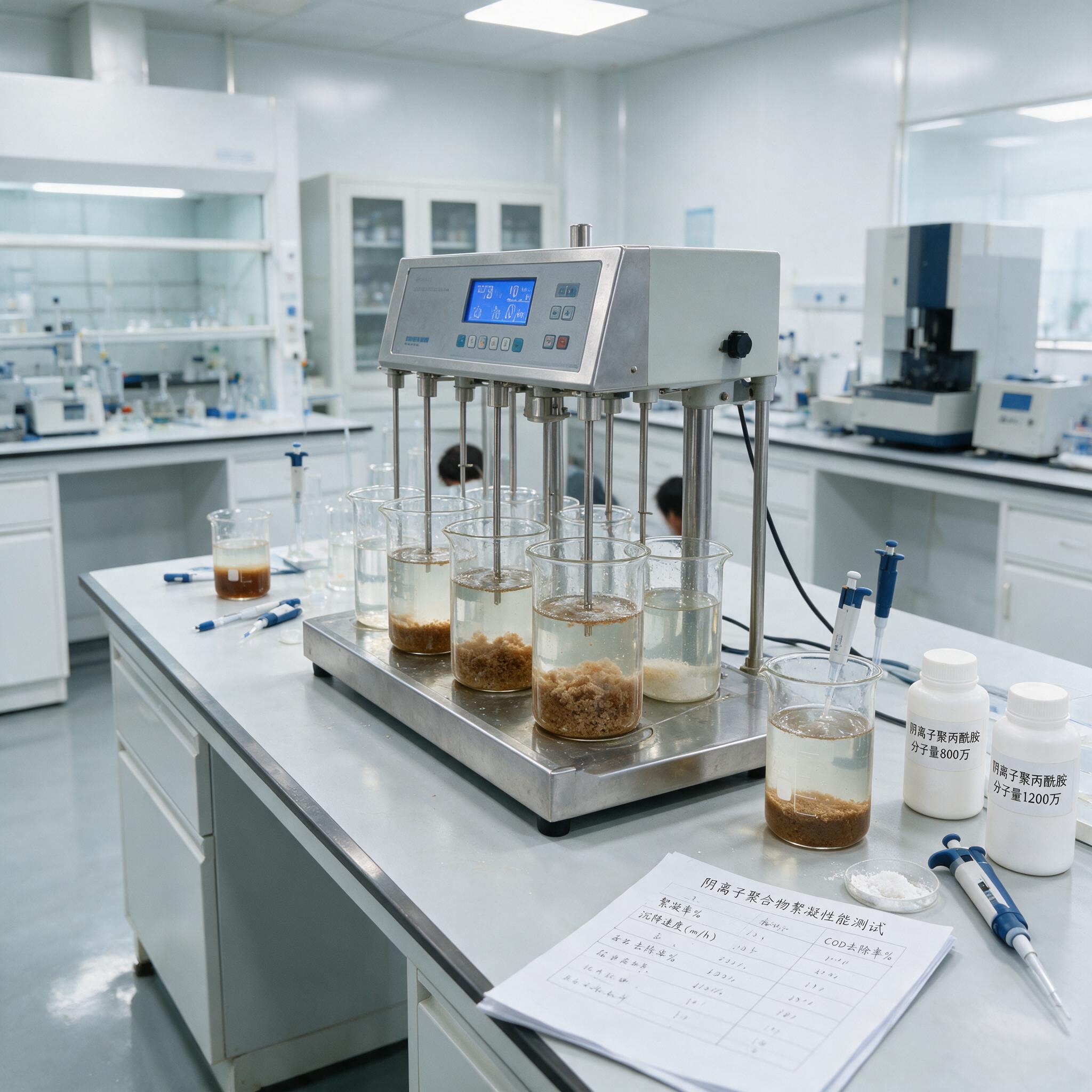
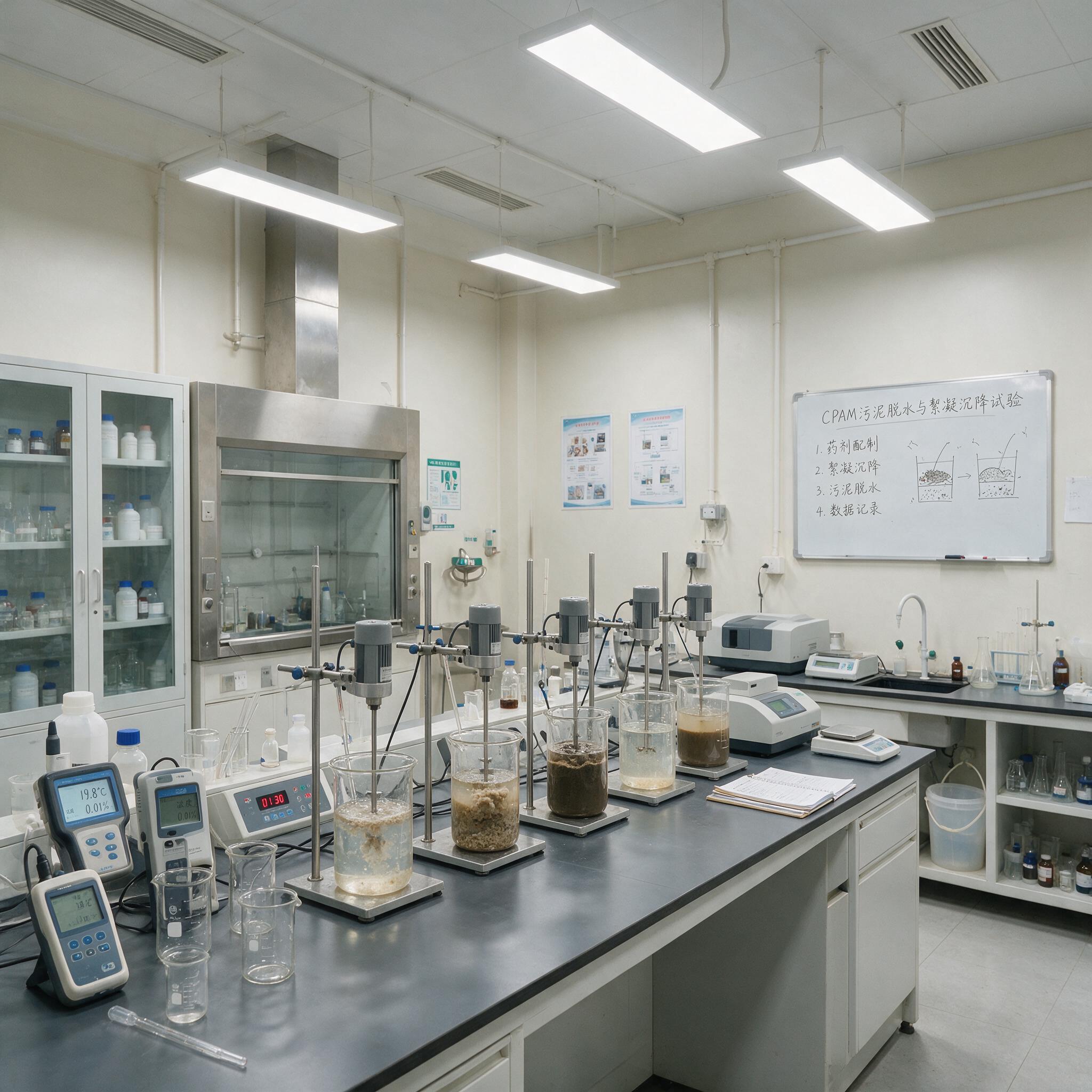
Our technical division comprises over 50 expert chemical engineers dedicated to optimizing cationic polyacrylamide performance in client facilities worldwide. From initial lab jar testing to full-scale plant integration, we tailor molecular weights and charge densities to address specific wastewater characteristics. At our state-of-the-art Jiangsu research center, we simulate customer processes to resolve challenging solid-liquid separation issues. We provide start-up guidance, operator training, and remote diagnostic services, maintaining a 92% client retention rate through dependable long-term technical partnerships.