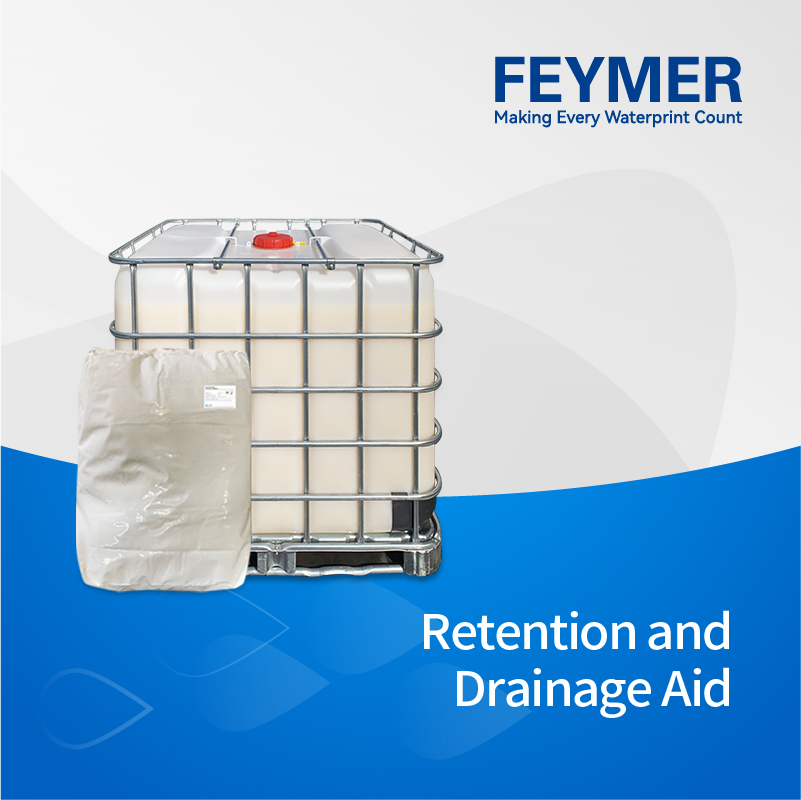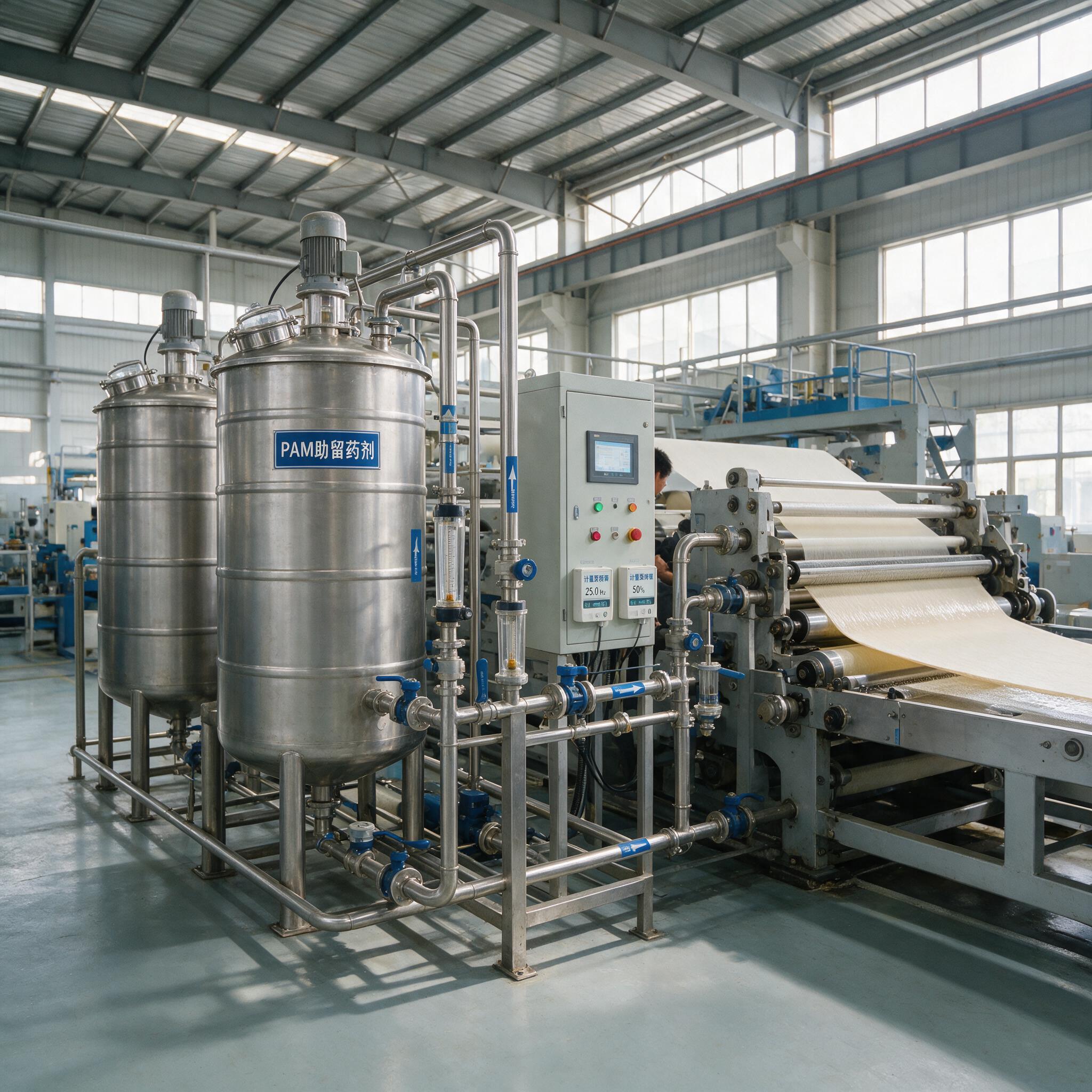
In the modern paper manufacturing landscape, the use of cationic polyacrylamide (CPAM) has become indispensable for optimizing wet-end chemistry and ensuring efficient production. Cationic polyacrylamide for paper mill applications plays a pivotal role in enhancing fiber retention, improving drainage, and increasing paper strength. The mechanism of action is rooted in its cationic charge, which electrostatically binds to anionic components in the pulp suspension, including cellulose fibers, fines, and fillers like calcium carbonate and talc. By forming bridges between particles, CPAM flocculates them into larger aggregates that are more easily retained on the forming fabric. This leads to higher first-pass retention values, which directly translate to reduced raw material usage and lower load on the water treatment system.