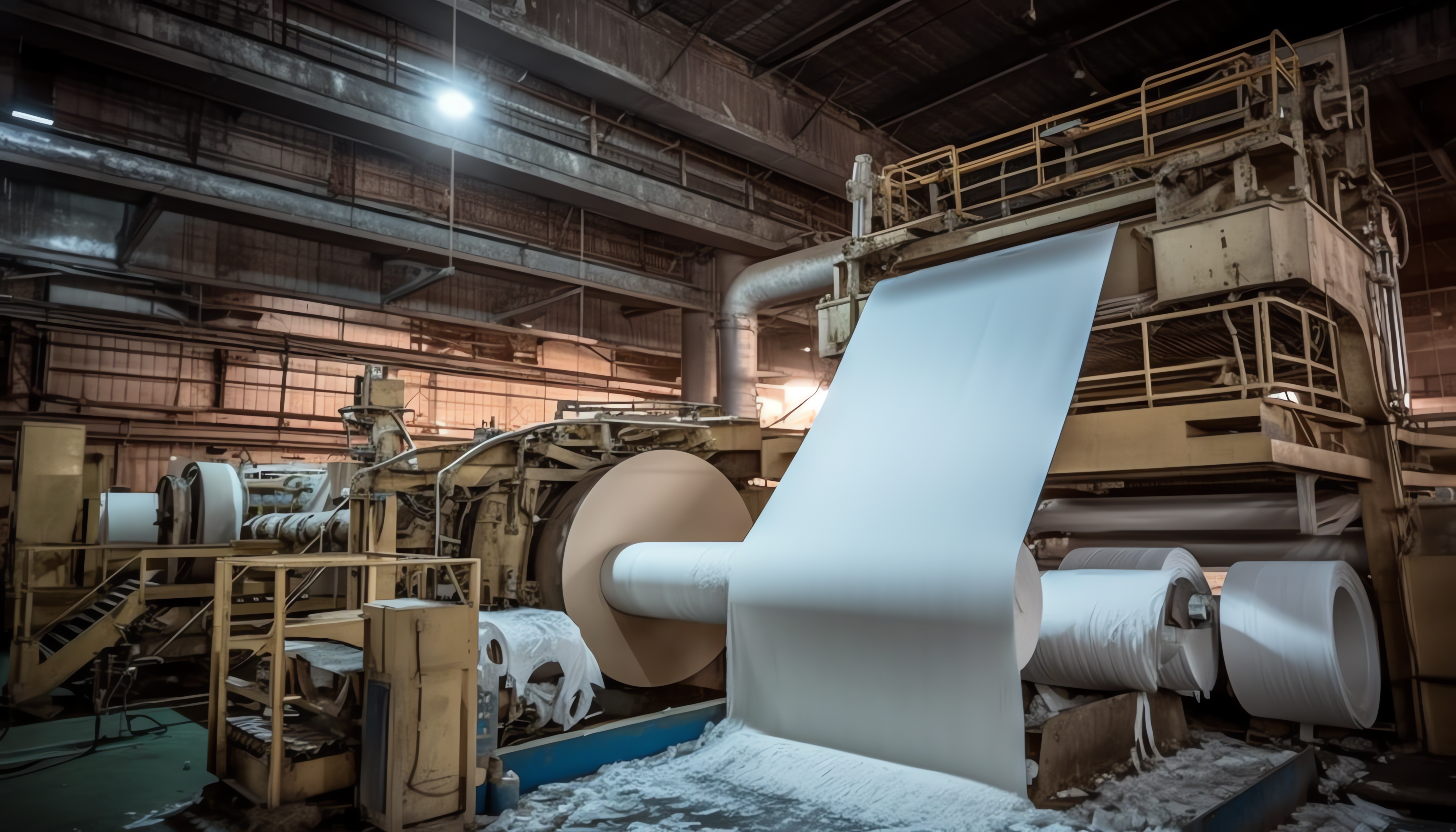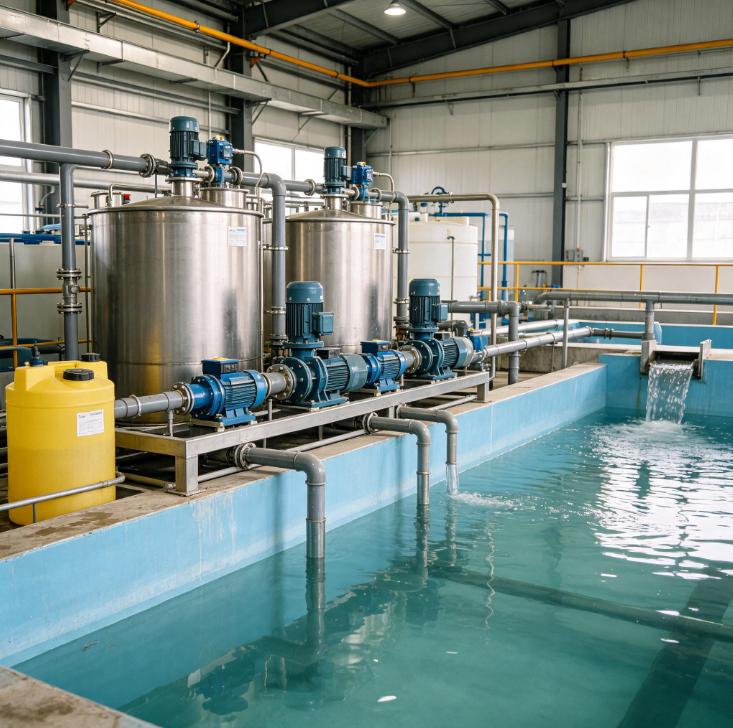
Water treatment chemicals for paper mill operations are indispensable for maintaining process efficiency and producing high-quality paper. Paper mills consume enormous volumes of water—up to 60 cubic meters per ton of paper produced—and each stage, from pulping to finishing, introduces contaminants that can adversely affect both machinery and final product. Effective chemical treatment mitigates these issues by controlling pH, preventing scale and corrosion, improving drainage and retention, and eliminating microbial growth. Without proper treatment, mills face increased energy costs, higher fiber losses, frequent shutdowns, and compromised product quality. A typical paper mill water treatment program begins with the clarification of raw water, using coagulants and flocculants to remove suspended solids and colloidal matter. In the pulping and bleaching stages, chelating agents and biocides are employed to manage metal ions and control bacteria that can degrade pulp quality.