Flocculant Chemicals for Sewage Treatment | Feymer

showlist/flocculant-chemicals-for-sewage-treatment, showlist/flocculant-chemicals-for-sewage-treatment, 
Inquiry
showlist/flocculant-chemicals-for-sewage-treatment, showlist/flocculant-chemicals-for-sewage-treatment, 
Inquiry
High-Performance Flocculant Chemicals for Sewage Treatment | Feymer Technology

High-Performance Flocculant Chemicals for Sewage Treatment | Feymer Technology

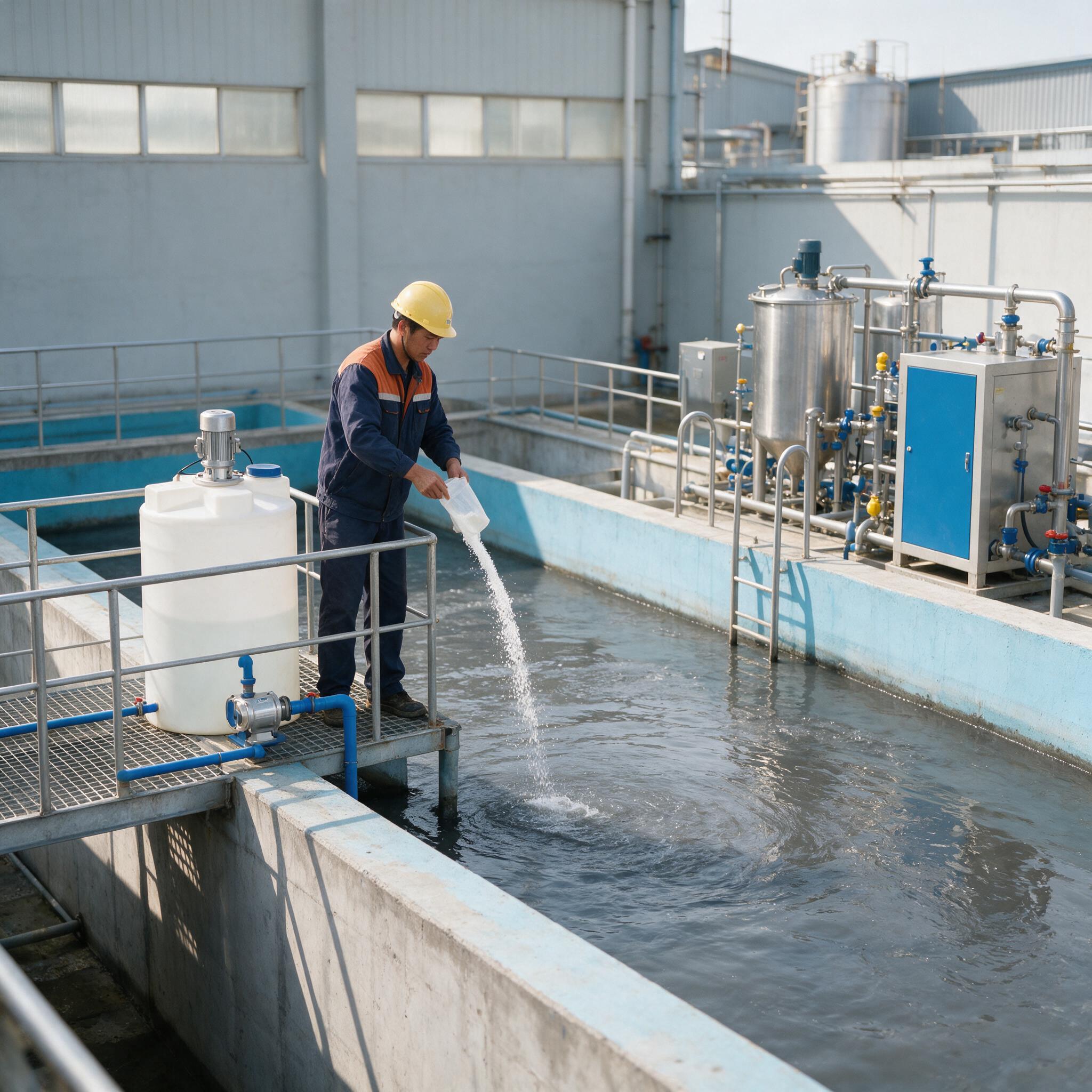
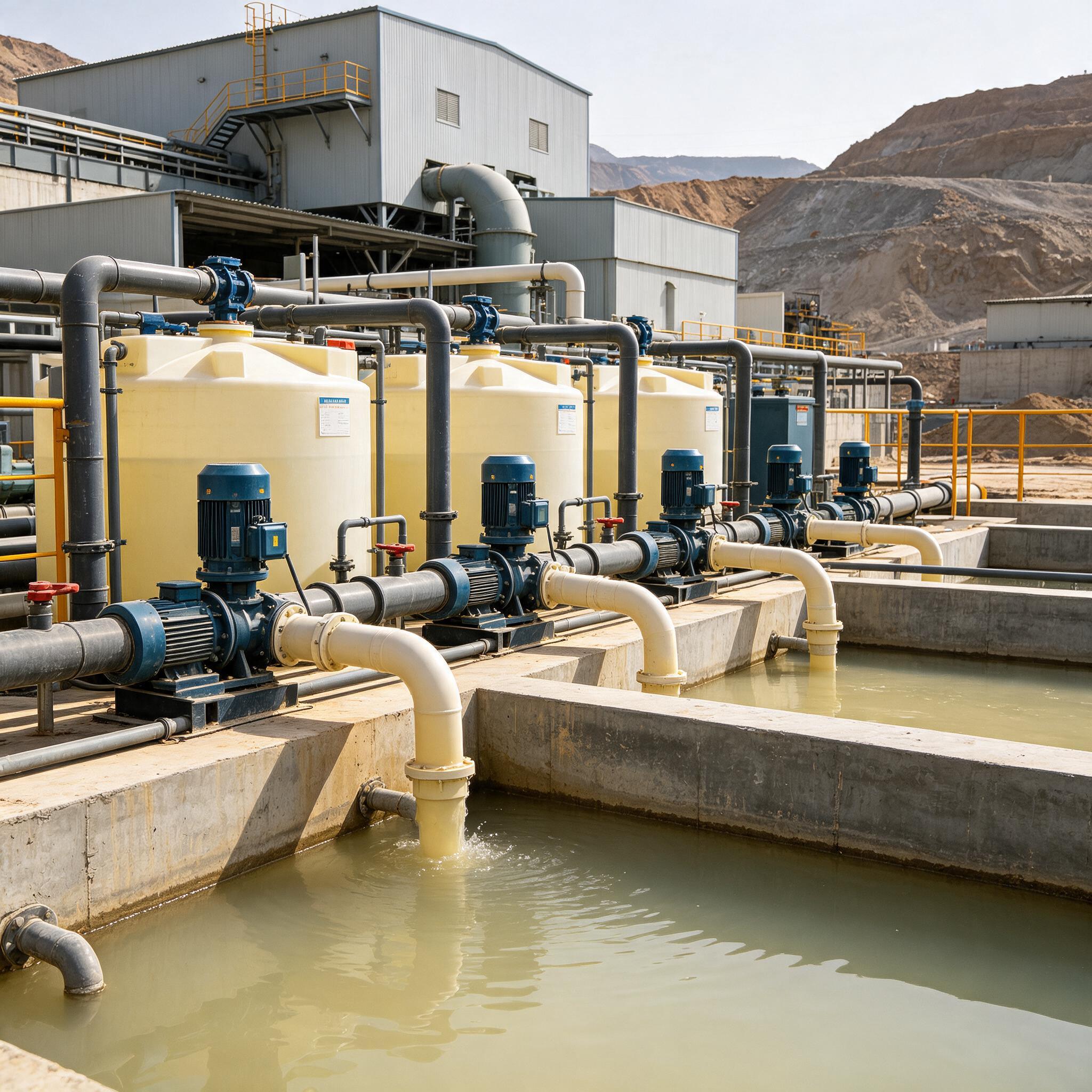
Jiangsu Feymer Technology Co., Ltd. (688350) offers advanced flocculant chemicals for sewage treatment, designed to enhance solid-liquid separation, reduce sludge volume, and optimize operational efficiency. As a STAR Market-listed high-tech enterprise with roots in China’s Yangtze River Delta, we combine cutting-edge R&D with large-scale manufacturing to deliver sustainable water treatment solutions. Our flocculants range from anionic, cationic, and nonionic polyacrylamides to inorganic coagulants and bio-based polymers, each tailored to meet specific effluent characteristics. Whether it’s municipal wastewater, industrial effluent from pulp & paper, textile dyeing, or oil & gas operations, our chemicals ensure compliance with stringent discharge standards while lowering treatment costs. We provide comprehensive technical support, including jar testing, dosage optimization, and system audits, enabling customers to achieve up to 30% reduction in chemical usage.
Get A Quote

Advantages of the product

Superior Flocculation Performance

Our flocculant chemicals for sewage treatment are engineered with advanced molecular structures that maximize bridging and charge neutralization, resulting in faster settling rates and crystal-clear effluent. This performance boost directly translates to higher throughput in clarifiers and reduced need for secondary treatments. With a complete product portfolio spanning high molecular weight polyacrylamides, we ensure that even the most challenging suspended solids, colloids, and emulsions are effectively agglomerated.

Tailored Formulations for Diverse Wastewater

Recognizing that no two sewage streams are identical, we excel in customizing flocculant formulations to match specific pH levels, pollutant loads, and ionic strengths. Our technical team conducts thorough jar tests and on-site trials to identify the optimal chemical type, dosage, and feeding point, ensuring maximum efficiency with minimum chemical consumption. This bespoke approach is particularly beneficial for industries like textile dyeing (which requires removal of complex dyes) and oil & gas (where oil emulsions must be broken).

Eco-Friendly and Cost-Saving Solutions

Sustainability is at the core of our flocculant chemical development. We offer biodegradable and low-toxicity options that significantly reduce the environmental footprint of sewage treatment. Our advanced formulations often feature higher active content, allowing for lower dose rates—up to 25% less than traditional chemicals—without compromising performance. This not only cuts chemical procurement costs but also reduces the volume of sludge requiring disposal, which is a major expense in treatment plants.

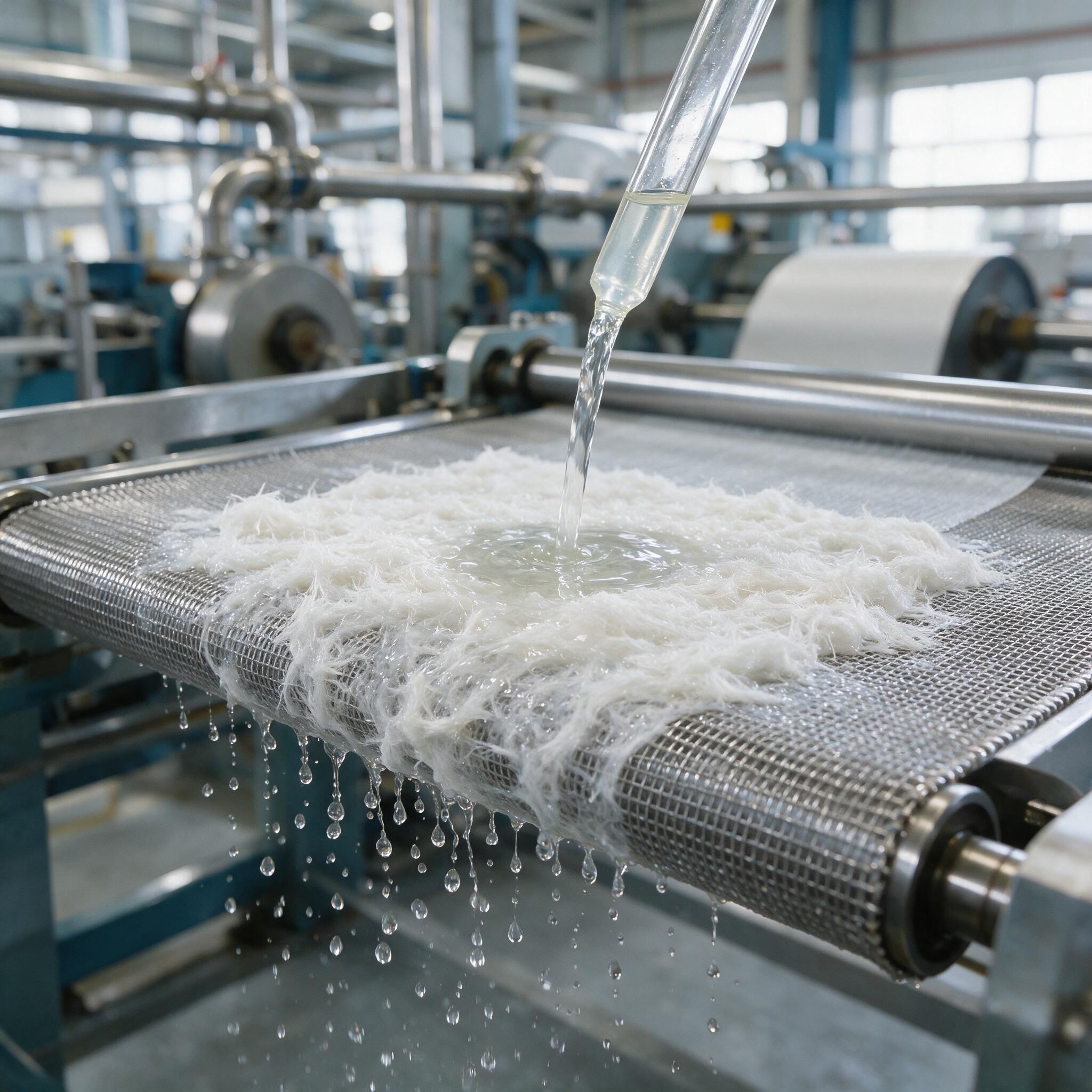
(Alternative) Flocculant chemicals for sewage treatment are integral to ensuring that effluents meet environmental standards before discharge or reuse. Their role extends beyond simple clarification; they also condition sludge for efficient dewatering and aid in the removal of pathogenic microorganisms when used in conjunction with disinfectants. In the modern sewage treatment landscape, the selection and application of flocculants require a nuanced understanding of chemistry and engineering. Factors such as pH, alkalinity, and the presence of suspended organic matter influence the choice of polymer type and dosage. For instance, cationic polyelectrolytes are particularly effective in primary and secondary clarification steps, where they neutralize the negative charge of organic solids. In contrast, anionic flocculants are often used in belt filter presses to enhance water release from sludge, producing a drier cake that is less costly to dispose of.

Frequently Questions

How do flocculant chemicals work in sewage treatment?

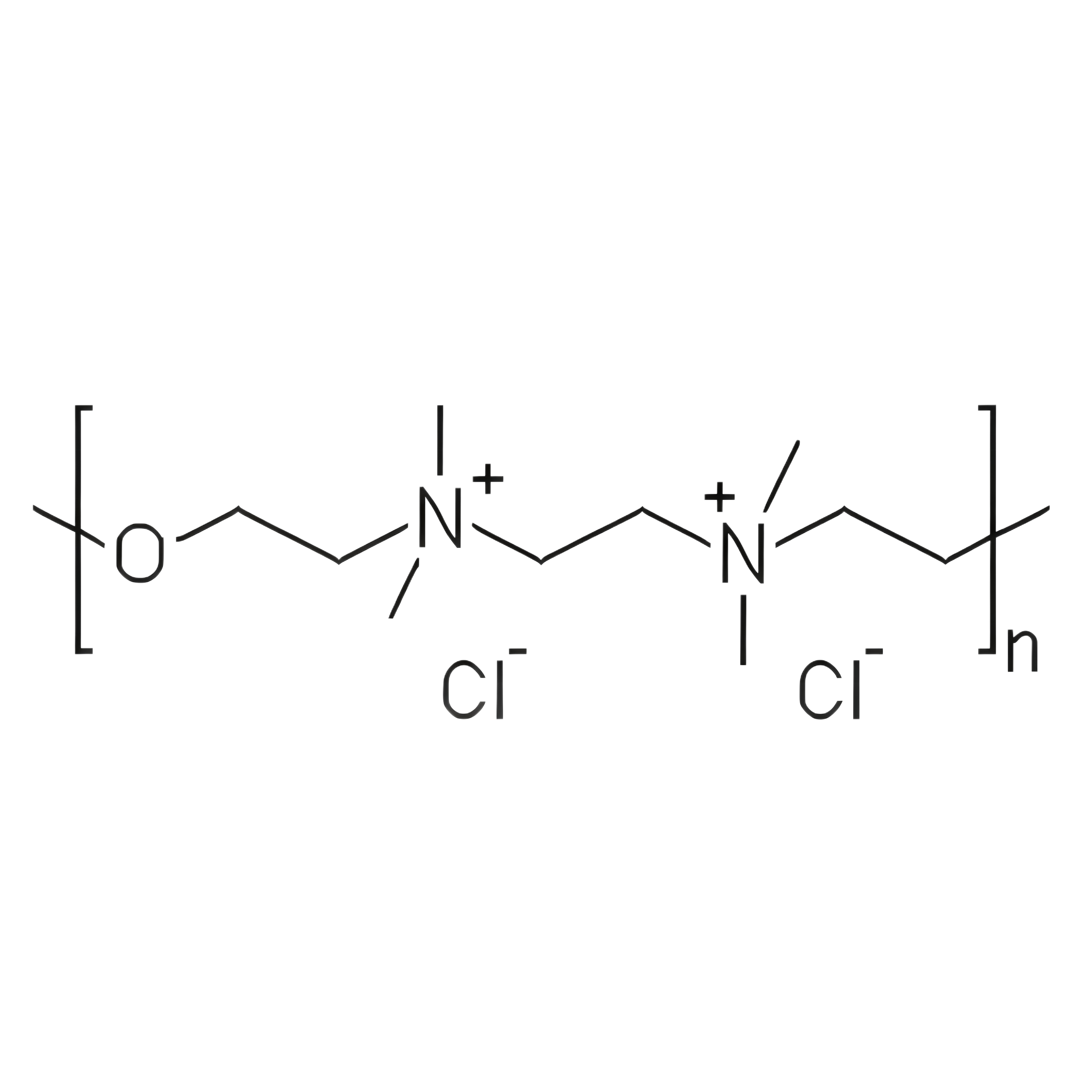
Flocculant chemicals function by neutralizing the electrical charges that keep fine particles suspended in water. Many suspended solids in sewage carry a negative charge, which causes them to repel each other and stay dispersed. When a flocculant—typically a polymer—is added, it adsorbs onto these particles and neutralizes the charge, allowing the particles to come together into micro-flocs. As more polymer chains attach, they bridge between particles, creating larger, denser flocs that can be readily settled out or filtered. This process typically takes place in a mixing tank where rapid agitation ensures thorough dispersion, followed by a slow-stir phase that promotes floc growth. The efficiency of a flocculant depends on its molecular weight and charge density, which must be matched to the specific wastewater characteristics.
The optimal dosage of flocculant chemicals varies widely based on the influent quality, flow rate, and the type of treatment system. Generally, dosages range from 1 to 50 parts per million (ppm) for municipal sewage, but this can be higher for industrial effluents with heavy contamination. To determine the precise dosage, it is essential to perform jar tests or pilot trials. These tests simulate the full-scale mixing and settling conditions and allow you to observe the floc size, settling speed, and supernatant clarity. Our technical team can assist in conducting such trials and analyzing the results. Overdosing can lead to increased chemical costs and polymer residuals in the treated water, while underdosing results in poor floc formation.

Related Articles

Anionic Polymer Sedimentation Effect in Mineral Waste Water

24

Jul

Anionic Polymer Sedimentation Effect in Mineral Waste Water

Improve mineral waste water sedimentation with advanced anionic polymer technology. Feymer provides high-performance solutions for efficient mining operations.
View More
How Does PDAC Function in Water Treatment?

03

Aug

How Does PDAC Function in Water Treatment?

Discover how PDAC functions in water treatment for superior coagulation and clarification. Feymer delivers advanced polymer solutions worldwide.
View More
How to Select Reliable Water Treatment Chemicals?

19

Aug

How to Select Reliable Water Treatment Chemicals?

Discover essential criteria for selecting water treatment chemicals to optimize system efficiency, reduce costs, and ensure compliance.
View More

Customer Testimonials

John Martinez
Transformative Solution for Our Municipal Plant

Our municipal wastewater treatment facility struggled with high turbidity and recurring effluent non-compliance. Switching to Feymer’s flocculant chemicals was a game-changer. Their cationic polymer not only improved our water clarity dramatically but also reduced our sludge volume by 30%. The technical team provided exceptional guidance during the transition, helping us optimize dosage and achieve significant cost savings. We now consistently meet discharge standards and have extended our filter press media life. The partnership with Feymer has elevated our plant’s performance and given us the confidence to handle future capacity expansions.

Li Wei
Efficient Flocculant for Industrial Effluent

As a textile dyeing and finishing mill, we generate complex wastewater with high color and COD. We needed a flocculant that could handle the high variation in our discharge. Feymer’s team conducted extensive jar tests and customized a flocculant blend that perfectly suited our effluent. The result was a 40% reduction in color and a 20% decrease in our chemical costs. Their product dissolves quickly, is easy to handle, and our operators have noticed the improved settling in our clarifiers. Most importantly, Feymer’s after-sales support is outstanding—they check in regularly and are always ready to troubleshoot if we encounter any variations.

Get a Free Quote

Our representative will contact you soon.
0/1000
Innovative Polymer Technology

Innovative Polymer Technology

At the heart of our flocculant chemicals for sewage treatment lies pioneering polymer technology that sets new industry standards. Feymer’s in-house R&D has developed a proprietary synthesis method that allows precise control over molecular weight distribution and charge density. This is achieved through a unique combination of inverse emulsion polymerization and advanced post-treatments, resulting in products with exceptional solubility and flocculation efficacy. The high molecular weight of our anionic and cationic polyacrylamides ensures robust bridging capabilities, even at low concentrations, enabling faster sedimentation and clearer supernatant. Our efforts are validated by an impressive patent portfolio and numerous scientific publications, underscoring our commitment to technical excellence.
AI-Empowered Dosing and Optimization

AI-Empowered Dosing and Optimization

In today’s digital age, static chemical dosing is no longer sufficient. Feymer integrates artificial intelligence into our flocculant solution offerings, providing a smart system that automates dosing based on real-time water quality data. Our AI algorithms analyze multiple parameters—including turbidity, flow rate, pH, and conductivity—and predict the optimal flocculant dose, adjusting accordingly to maintain consistent performance. This closed-loop control reduces the risk of human error and minimizes chemical waste, as you only use what is necessary. Furthermore, the system learns from historical data, continuously improving its accuracy and adapting to changes in influent composition. As a result, plants using Feymer’s intelligent dosing have reported up to 40% reduction in chemical consumption and a 50% decrease in instances of non-compliance.