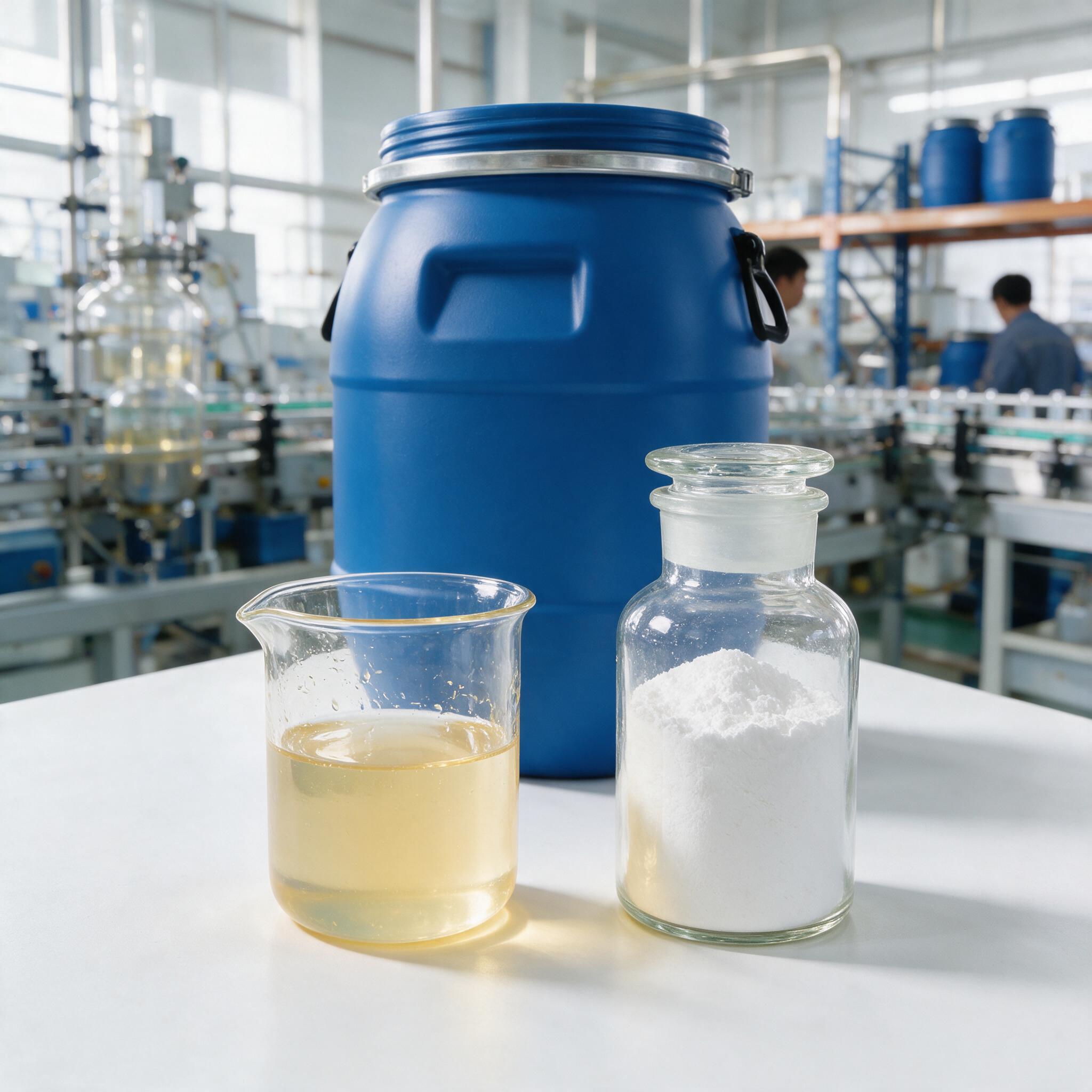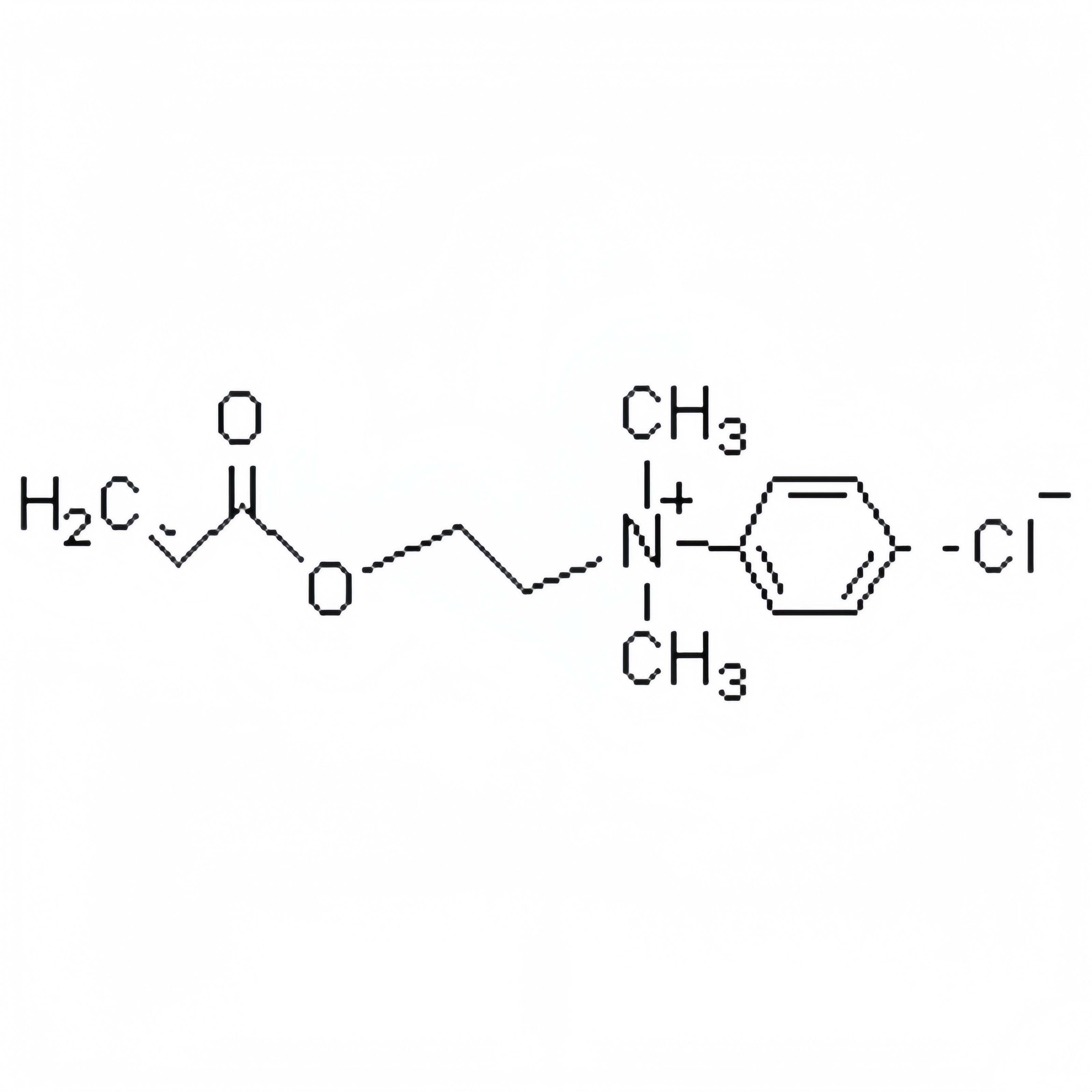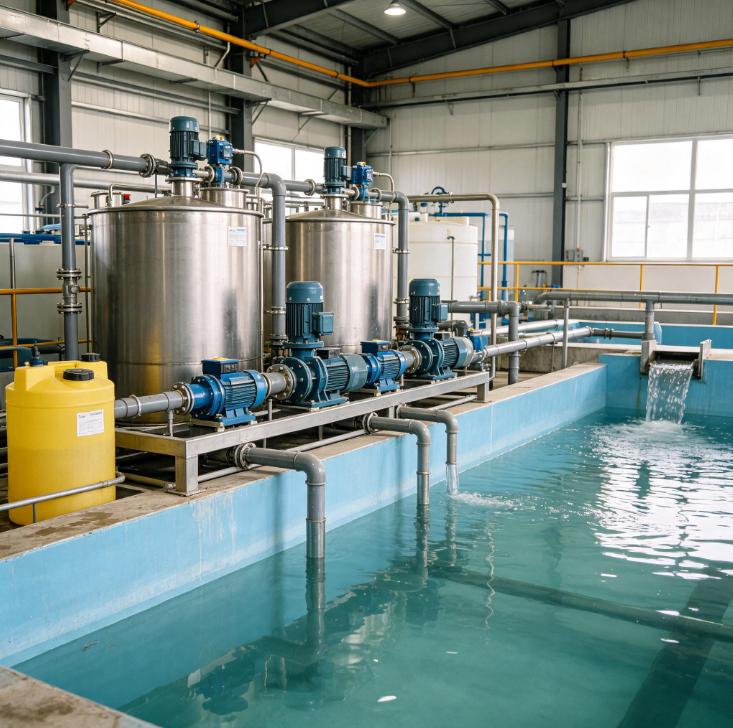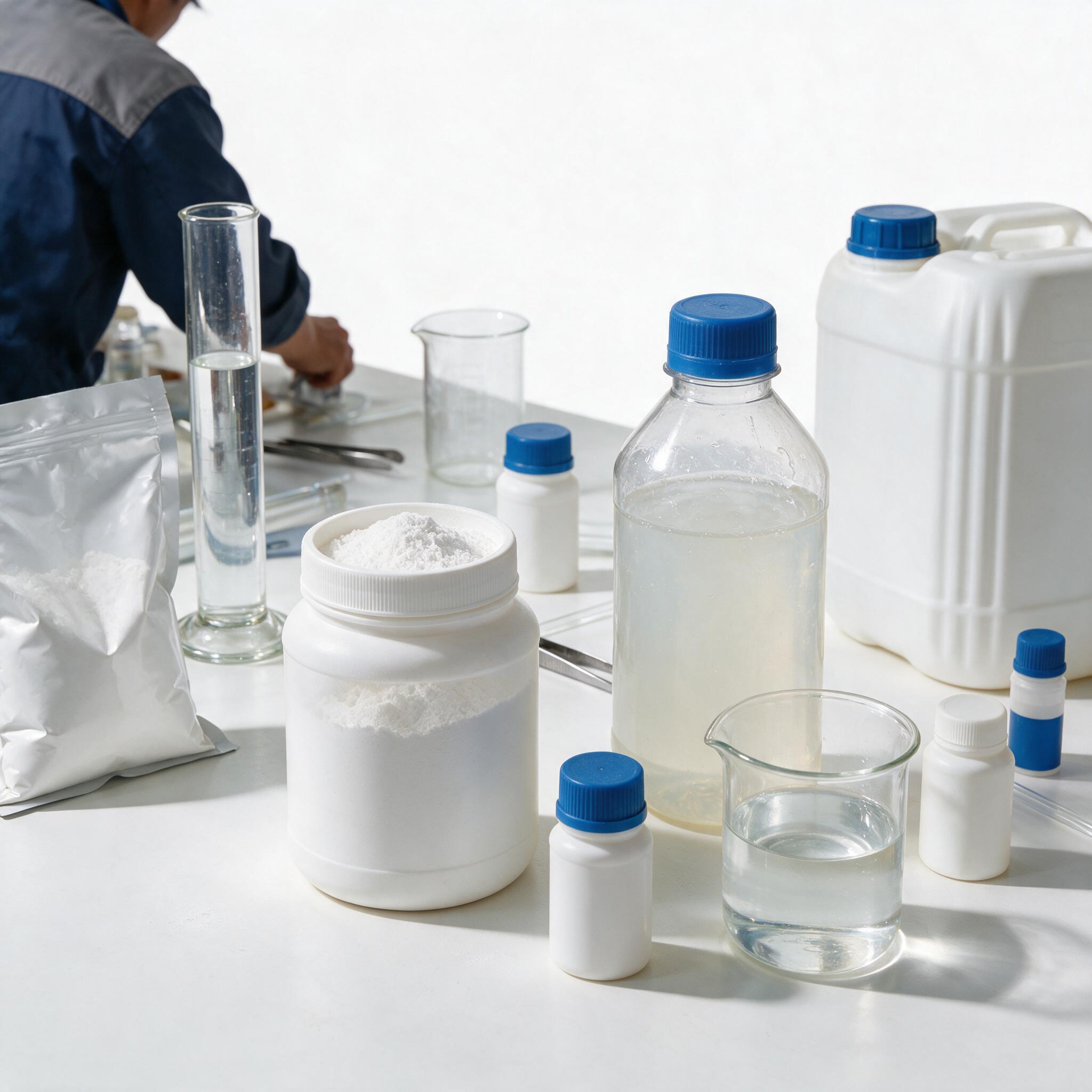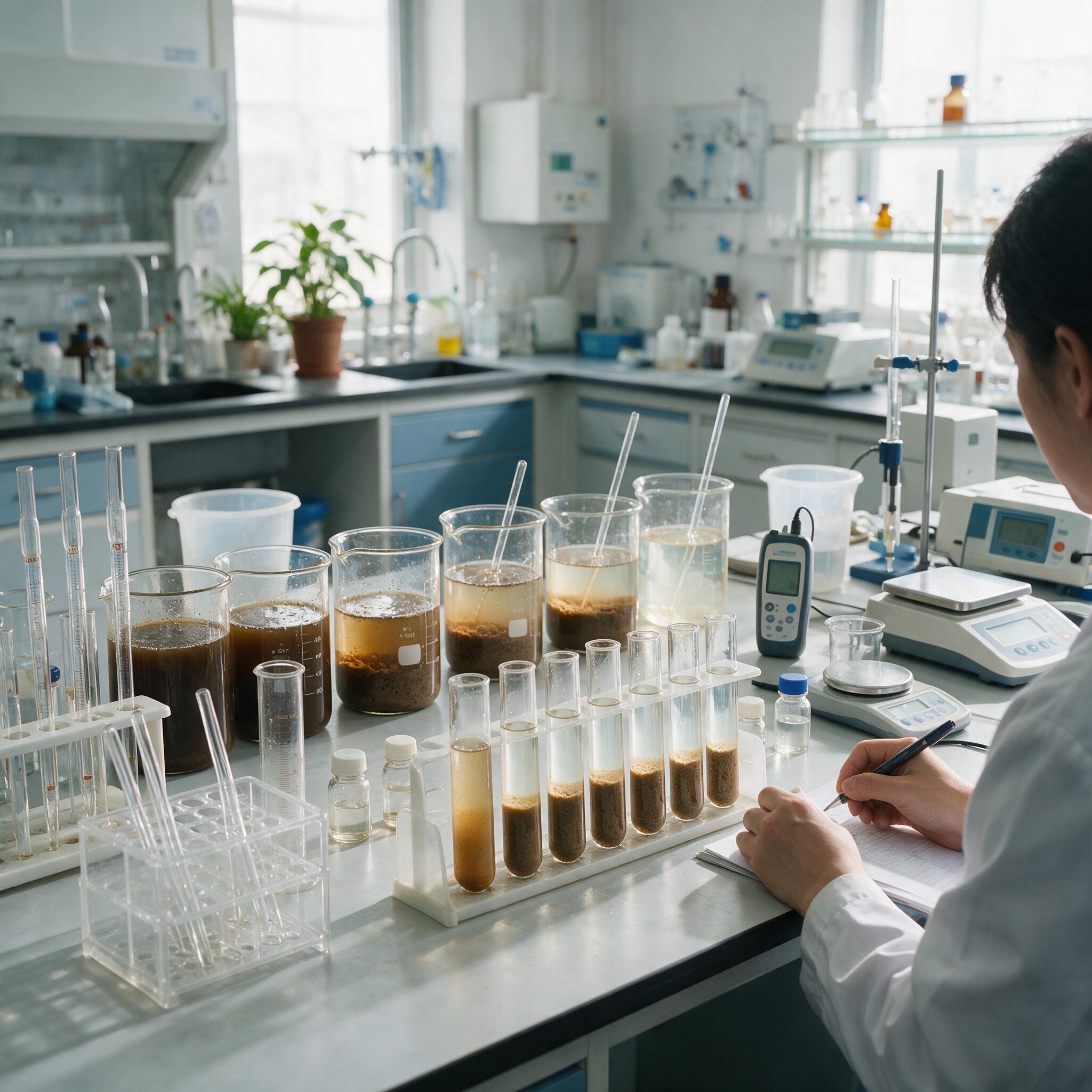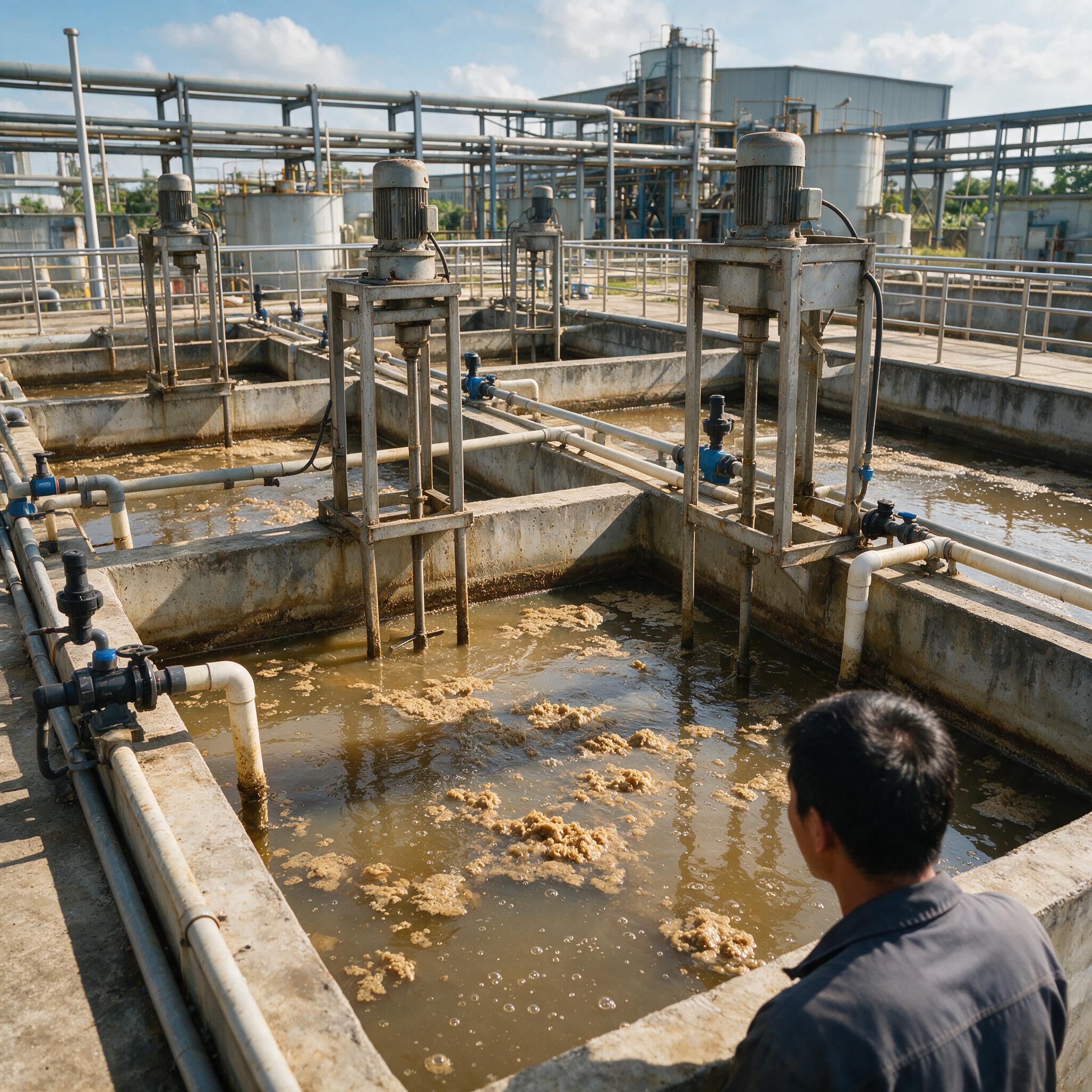
Coagulant chemicals for water treatment play a pivotal role in the removal of suspended solids, colloids, and dissolved organic matter that otherwise compromise water clarity and safety. These chemicals work by neutralizing the negative charges that stabilize fine particles in water, allowing them to agglomerate into larger, heavier flocs that can be easily settled or filtered out. The efficiency of coagulation directly impacts the performance of downstream processes, including sedimentation, filtration, and disinfection, and influences the overall cost and energy footprint of treatment plants. In industrial settings, effective coagulants are vital for meeting environmental discharge regulations, protecting waterways, and enabling water recycling initiatives.