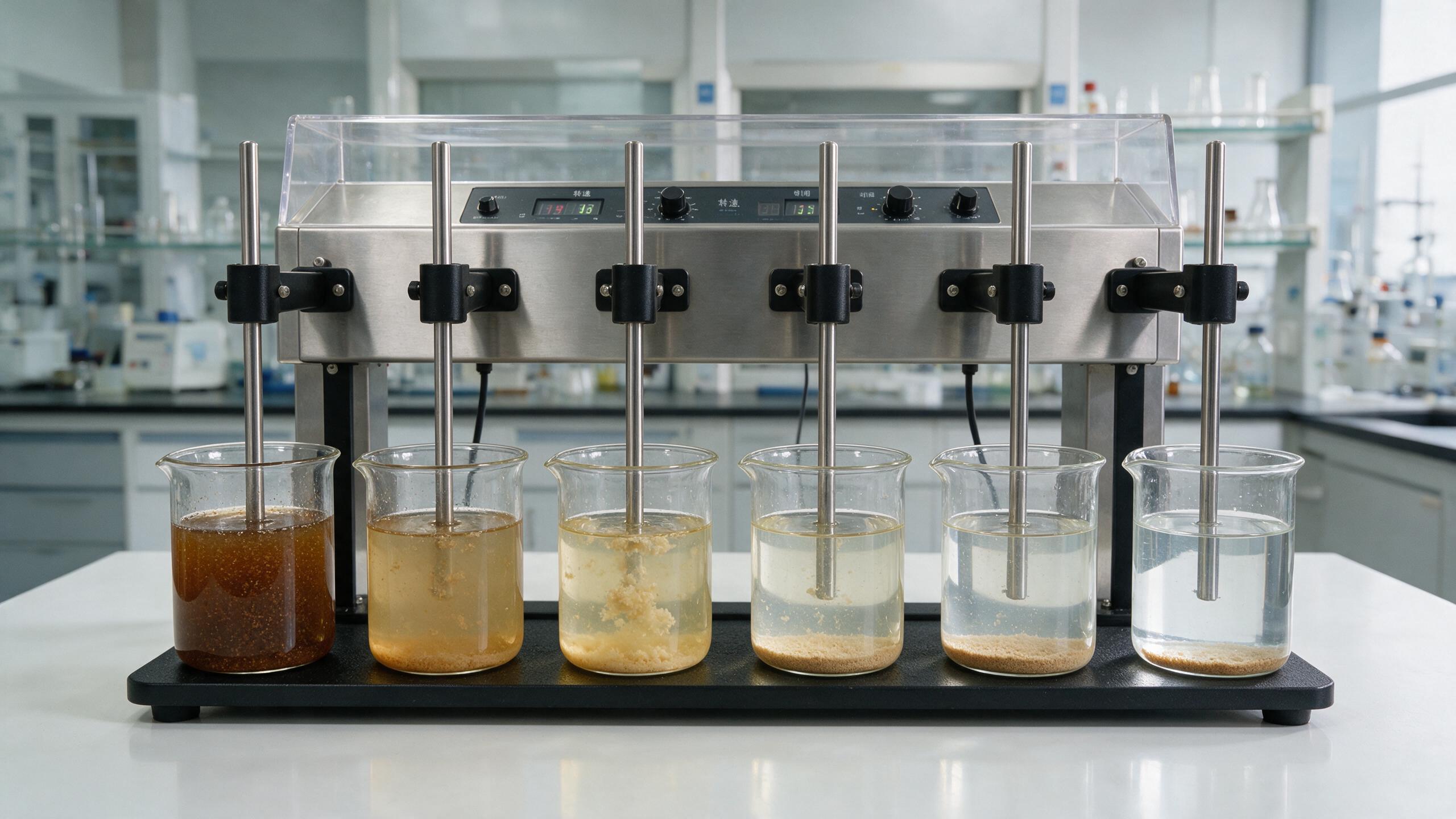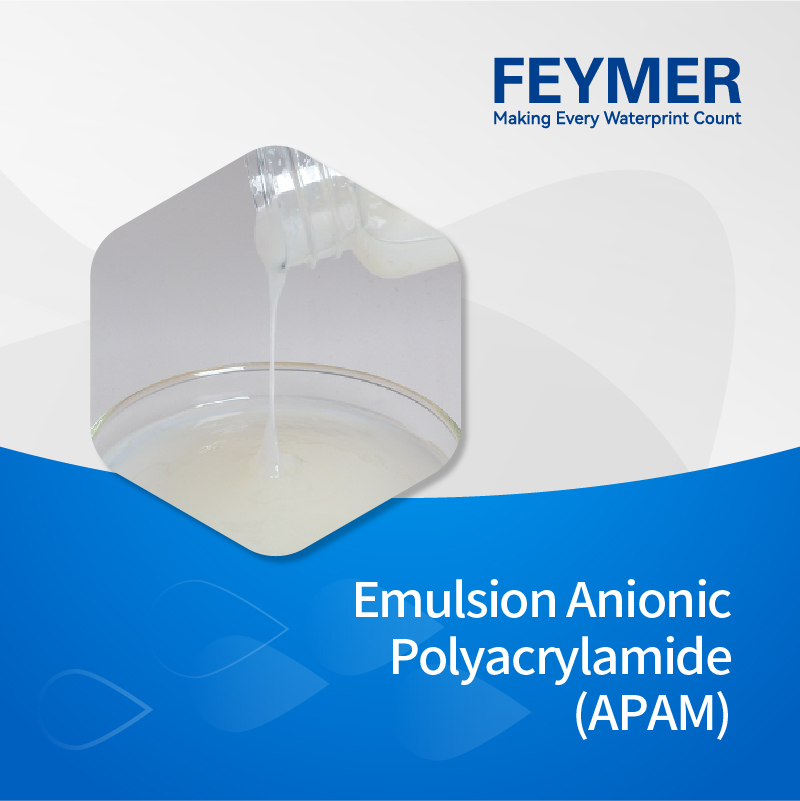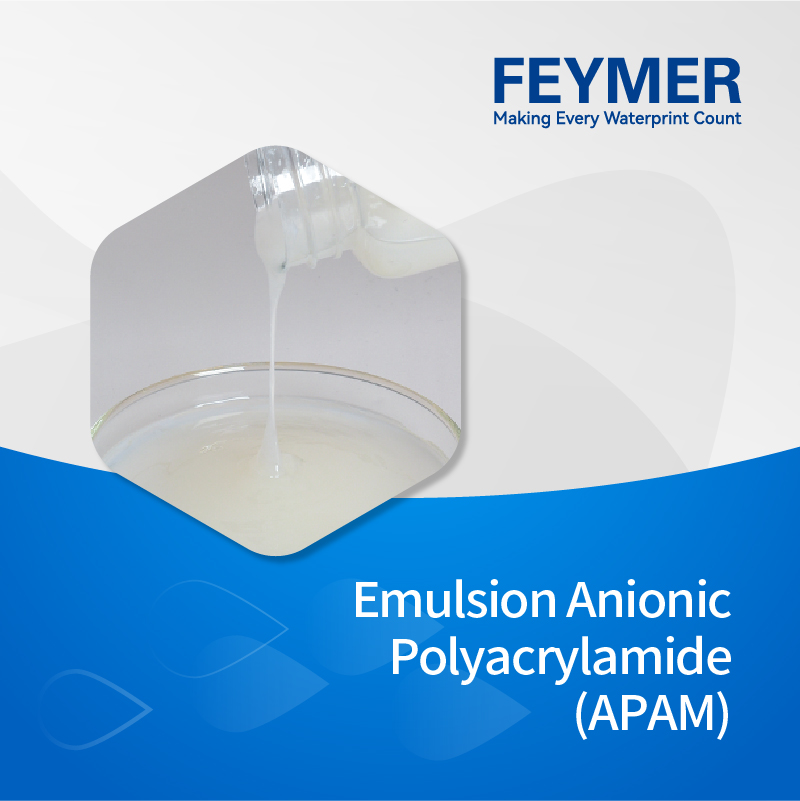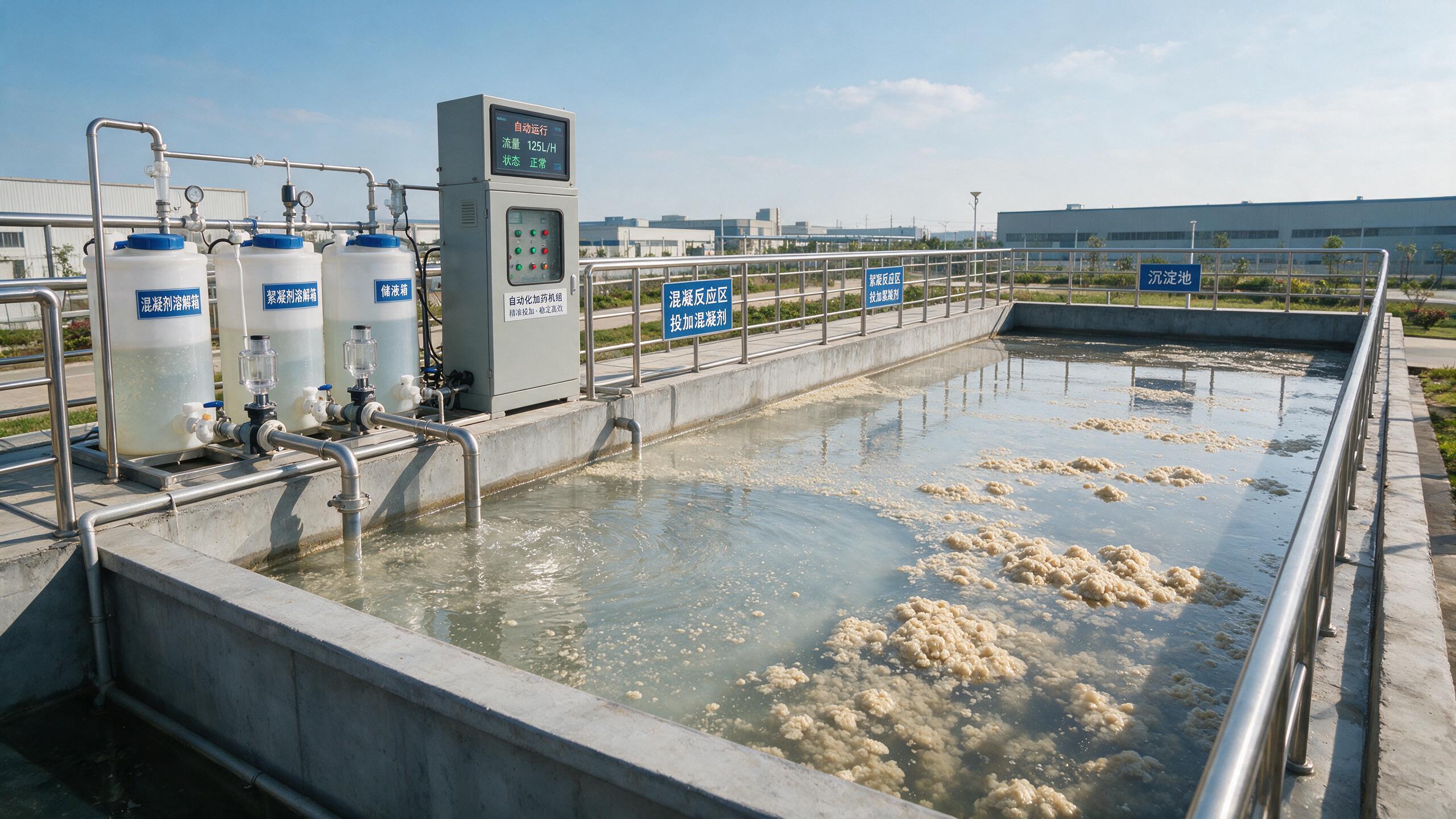
Coagulation and flocculation are fundamental processes in water treatment, crucial for the removal of turbidity, color, and pathogens. Coagulants, typically inorganic salts like alum or ferric chloride, destabilize colloidal particles by neutralizing their negative surface charges. This allows them to aggregate into micro-flocs. Subsequently, flocculants—often long-chain organic polymers—bridge these micro-flocs into larger, denser flocs that settle rapidly under gravity. The efficiency of this process is pivotal to the overall performance of a water treatment plant, influencing not only the quality of the treated water but also the volume of residual sludge. Feymer Technology has developed an extensive range of coagulants and flocculants that cater to varying water chemistries and treatment objectives. Our R&D efforts focus on tailoring molecular architecture to optimize charge density and molecular weight, ensuring maximum bridging and sweep-flocculation capabilities.