Chemical Coagulant Solutions for Water Treatment

showlist/chemical-coagulant, showlist/chemical-coagulant, 
Inquiry
Inquiry
High-Performance Chemical Coagulants for Industrial and Municipal Water Treatment

High-Performance Chemical Coagulants for Industrial and Municipal Water Treatment

In the realm of water treatment, the selection of an effective chemical coagulant is pivotal for achieving optimal purification results. Jiangsu Feymer Technology Co., Ltd. (688350), a high-tech enterprise listed on China’s STAR Market since 2021, specializes in providing advanced chemical coagulant solutions that cater to a diverse range of industries, including pulp and paper, oil & gas, fine chemicals, textile dyeing, and both industrial and municipal water treatment. Our commitment to innovation is underscored by our mission, “Making Every Waterprint Count,” which drives our continuous research and development in water-soluble polymers and separation membranes. With three production bases and five factories strategically located in Jiangsu and Anhui, we ensure a reliable supply chain and scalable production capacity. Our chemical coagulants are engineered to excel in turbidity removal, color reduction, and the elimination of suspended solids, heavy metals, and organic pollutants.
Get A Quote

Advantages of the product

Superior Removal Efficiency

Our chemical coagulants are formulated with advanced cationic and anionic polymers that exhibit exceptional charge neutralization and bridging capabilities. This results in the effective aggregation of fine particles, colloids, and dissolved organic matter, facilitating their rapid sedimentation and filtration. In comparative studies, our coagulants have demonstrated up to 30% higher turbidity removal rates than conventional inorganic coagulants, even in cold water or low-turbidity sources.

Adaptability to Diverse Water Qualities

Water sources vary significantly in terms of pH, alkalinity, temperature, and contaminant profile. Feymer’s chemical coagulant portfolio is designed to perform robustly across a wide spectrum of conditions. Moreover, we offer specialty grades that are resistant to interference from high concentrations of organic matter, sulfides, or metal ions, which commonly hamper the efficiency of traditional coagulants.

Eco-Friendly and Cost-Effective Operations

Sustainability is at the core of our chemical coagulant development. Our products are designed to minimize environmental impact by producing less sludge compared to traditional metal-based coagulants. For instance, our high-molecular-weight polymers generate up to 50% less sludge by volume, which not only reduces disposal costs but also lessens the carbon footprint associated with sludge handling. This leads to significant savings in chemical procurement and storage, as well as reduced energy consumption during mixing and pumping due to lower viscosity.

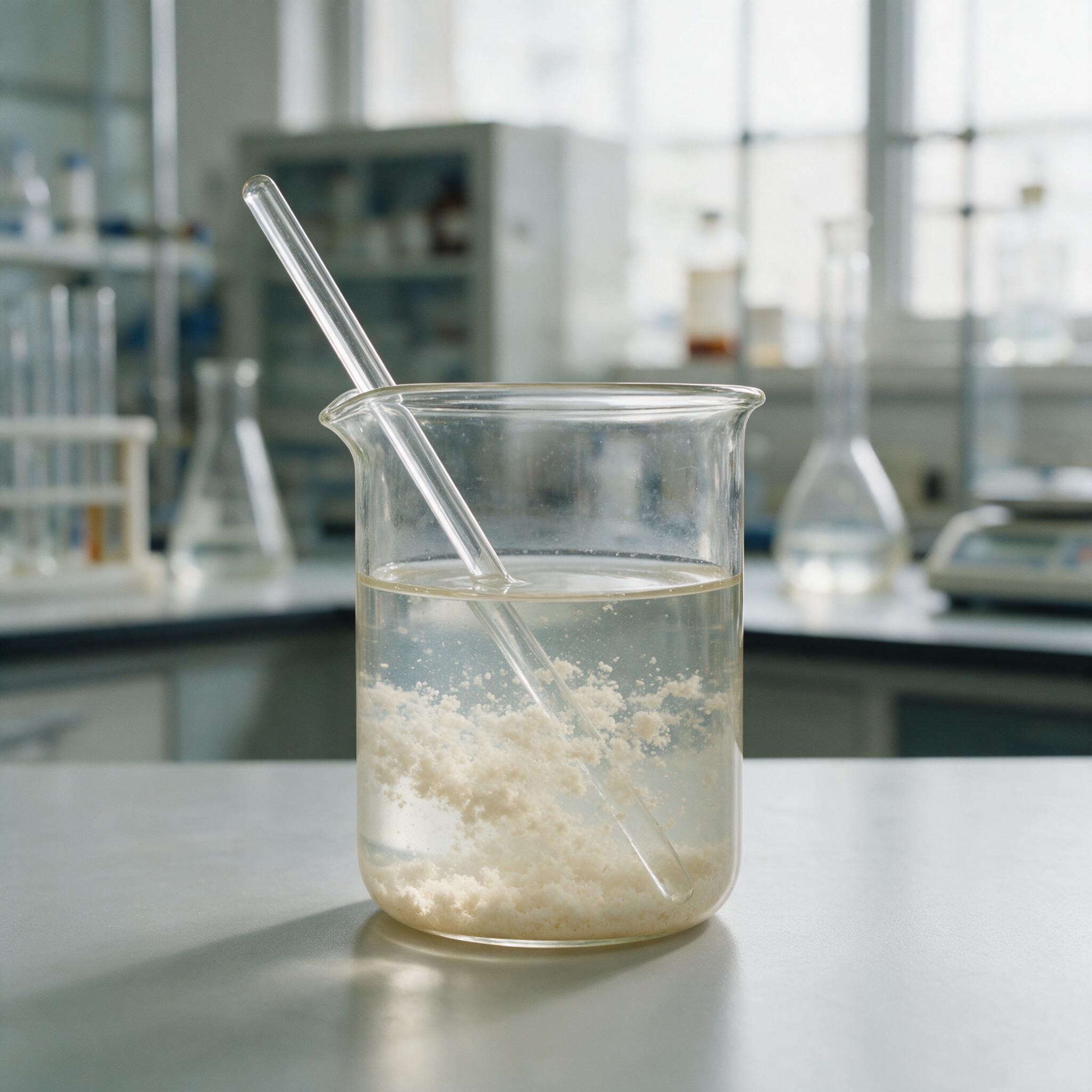
The selection of an appropriate chemical coagulant is a critical decision for any water treatment facility, as it directly impacts the efficiency and cost-effectiveness of the entire treatment process. Chemical coagulants function by destabilizing suspended particles, causing them to aggregate into larger flocs that can be readily removed by sedimentation or filtration. In contemporary water treatment, the trend has shifted from traditional inorganic coagulants like alum and ferric chloride towards high-performance organic polymers, which offer superior efficacy at lower dosages and with reduced sludge production. Feymer is at the forefront of this evolution, providing innovative chemical coagulants that integrate advanced polymer chemistry with practical application expertise.

Frequently Questions

What is a chemical coagulant and how does it work in water treatment?

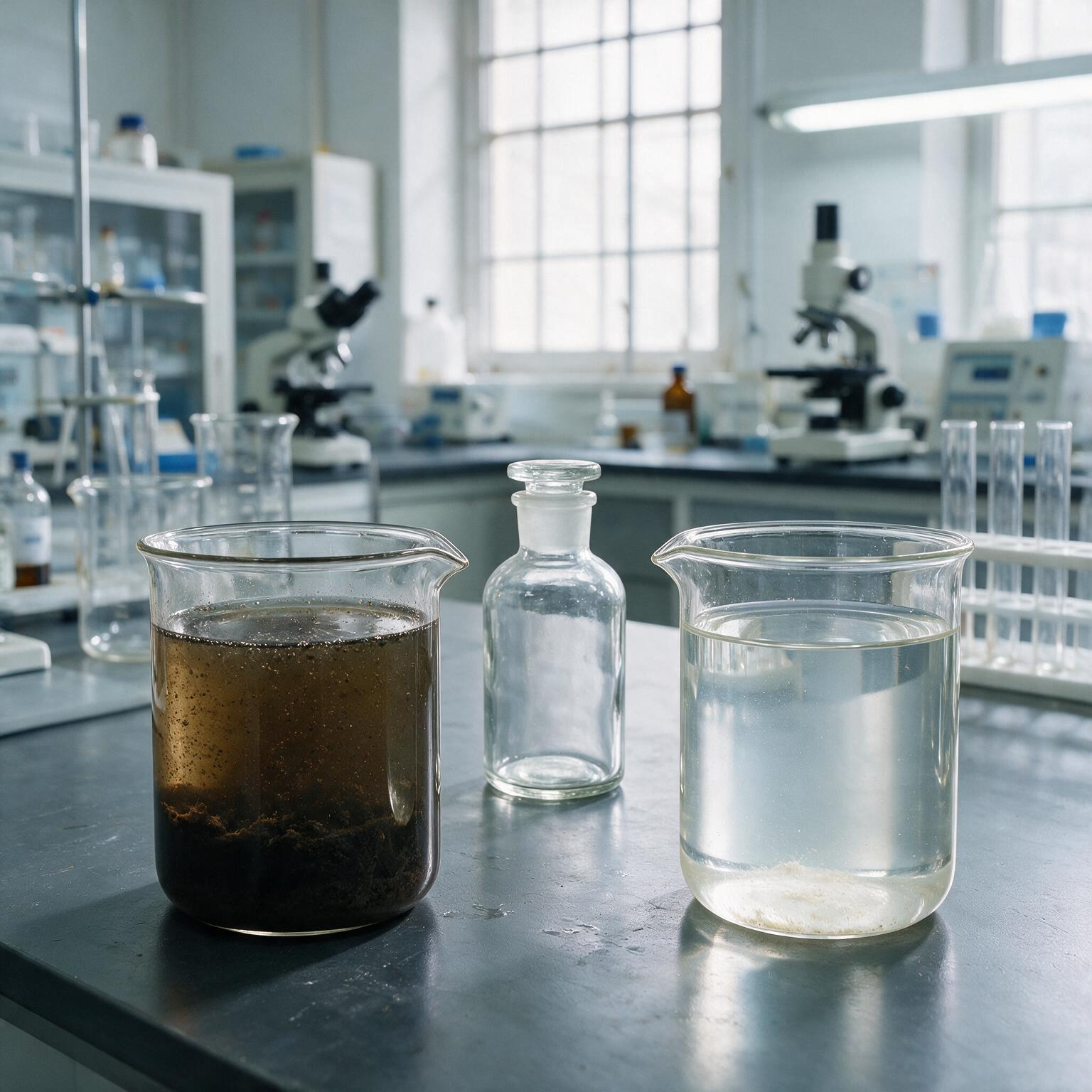
A chemical coagulant is a substance that promotes the aggregation of fine particles suspended in water into larger flocs, which can then be easily removed by sedimentation or filtration. Feymer’s high-performance coagulants, such as PolyDADMAC, work by neutralizing the negative surface charges of colloidal particles (typically clays, organic matter, and microorganisms). This neutralization reduces electrostatic repulsion, allowing particles to approach closely and stick together when gentle mixing is applied. In addition, our high-molecular-weight polymers facilitate bridging between particles, forming robust flocs that settle rapidly. The process is dose-dependent and influenced by factors such as water pH, temperature, and mixing intensity. Our coagulants are engineered to work effectively over a wide pH range, minimizing the need for pH adjustment and simplifying the overall treatment process.
Traditional inorganic coagulants, such as aluminum sulfate (alum) and ferric chloride, operate primarily through charge neutralization and enmeshment in a metal hydroxide precipitate. They are effective but often require high dosages, generate substantial sludge, and can be sensitive to pH. In contrast, Feymer’s organic chemical coagulants are synthesized polymers with high charge density and controllable molecular weight. They are more efficient: lower doses are needed to achieve the same or better clarification, resulting in reduced sludge volume (as much as 50% less) and lower disposal costs. Additionally, organic polymers do not introduce metal ions into the treated water or sludge, making them more environmentally friendly and suitable for agricultural use of biosolids. They are also less pH-dependent, operating effectively from pH 2 to 12, which is particularly advantageous for treating variable industrial effluents.

Related Articles

Why Use PDADMAC in Wastewater Treatment?

10

Aug

Why Use PDADMAC in Wastewater Treatment?

Discover why pdadmac is essential in wastewater treatment. Explore its chemical mechanism, industrial applications, economic benefits, and expert solutions from Feymer.
View More
Advantages of Water Soluble Polymer in Papermaking & Mining

20

Aug

Advantages of Water Soluble Polymer in Papermaking & Mining

Discover industrial uses and technical advantages to boost mill efficiency and lower material expenses.
View More
How to Select Reliable Water Treatment Chemicals?

19

Aug

How to Select Reliable Water Treatment Chemicals?

Discover essential criteria for selecting water treatment chemicals to optimize system efficiency, reduce costs, and ensure compliance.
View More

Customer Testimonials

Robert Graham
Exceptional Performance in Paper Mill Wastewater

After switching to Feymer’s chemical coagulant for our paper mill’s wastewater treatment, we achieved a 25% reduction in chemical costs while improving effluent clarity by over 40%. The flocs formed quickly and settled rapidly, which increased our clarifier throughput. Additionally, the volume of sludge generated was significantly reduced, cutting our disposal expenses. The technical team was very responsive during the initial jar testing, and their recommended dosage has been spot-on. We are extremely satisfied with the product and the support.

Dr. Mei Lin
Reliable Solution for Municipal Water Treatment in Asia

Our city’s water treatment plant faced challenges with raw water turbidity spikes during monsoon season. Feymer provided a robust chemical coagulant that not only handled the variable water quality but also reduced our alum consumption by 30%. The decreased sludge volume has saved us money on hauling and processing. Importantly, the product meets NSF standards, ensuring the safety of our drinking water. Their team offered excellent technical guidance and even assisted with a pilot trial. We have since standardized on Feymer’s coagulant across our main plant.

Get a Free Quote

Our representative will contact you soon.
0/1000
Advanced Polymer Technology with Customizable Molecular Weight

Advanced Polymer Technology with Customizable Molecular Weight

Feymer’s chemical coagulants are built on a foundation of advanced polymer technology, allowing us to tailor molecular weight and charge density to suit specific treatment challenges. Our R&D lab can synthesize polymers with precise architectures, resulting in highly effective charge neutralization and flocculation. For instance, our high-molecular-weight variants ( > 10 million g/mol) are ideal for enhancing floc size and settling rate, while lower-molecular-weight versions are better suited for charge neutralization only. This versatility ensures that each client receives a product optimized for their water chemistry and operational goals. With the ability to adjust the polymer backbone and functional groups, we can enhance resistance to shear forces or temperature extremes, prolonging floc integrity and performance.

AI-Integrated Optimization for Dosing and Process Control

Feymer is pioneering the integration of artificial intelligence (AI) into water treatment chemical management. Our AI systems analyze real-time data from sensors (e.g., turbidity, pH, flow) and historical performance to predict the optimal coagulant dosage, automatically adjusting feed pumps to minimize dosing while maintaining perfect water quality. This dynamic control eliminates the guesswork, reduces chemical consumption by up to 20%, and mitigates the risk of process upsets from sudden changes in influent characteristics. For example, at a textile plant, our AI solution decreased coagulant usage by 15% while achieving over 99% color removal. The system also logs performance trends, providing actionable insights for proactive maintenance and operational improvements. Coupled with our state-of-the-art chemical formulations, this intelligent approach reduces your operational costs and environmental footprint, ensuring that your facility runs at peak efficiency.