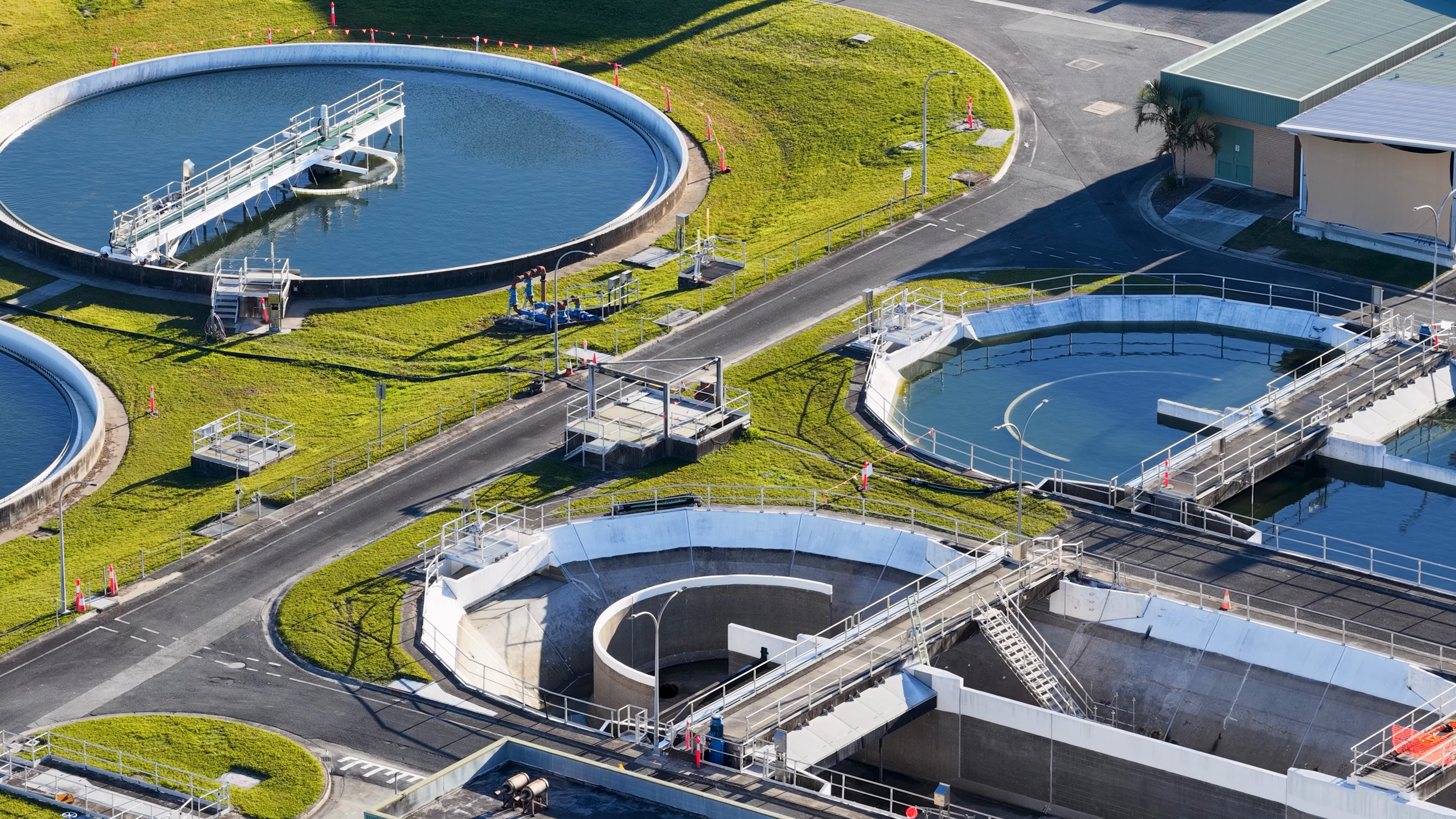
Floc Water Treatment Solutions | AI-Optimized Flocculants

showlist/floc-water-treatment, showlist/floc-water-treatment, 
Inquiry
Inquiry
Advanced Floc Water Treatment Solutions for Industrial and Municipal Applications

Advanced Floc Water Treatment Solutions for Industrial and Municipal Applications

Discover cutting-edge floc water treatment solutions from Jiangsu Feymer Technology Co., Ltd. (688350), a leading high-tech company specializing in sustainable water treatment. Our expertise in flocculation, coagulation, and advanced polymer chemistry ensures efficient removal of suspended solids, turbidity, and contaminants from water. With a strong focus on innovation and sustainability, we provide tailored floc water treatment programs for pulp and paper, oil & gas, fine chemicals, textile dyeing, and industrial/municipal water treatment. Our products include high-performance flocculants, coagulants, and water-soluble polymers designed to optimize settling rates, enhance sludge dewatering, and reduce overall operational costs. As a STAR Market listed company with three production bases and five factories, we guarantee reliable supply chains and consistent quality. Our AI-empowered water treatment solutions enable real-time monitoring and adaptive dosing for superior performance.
Get A Quote

Advantages of the product

Superior Flocculation Performance with Tailored Polymer Chemistry

Our floc water treatment products are developed using advanced polymer synthesis, allowing precise control over molecular weight and charge density. This ensures optimal floc formation, rapid settling, and enhanced turbidity removal even in challenging water conditions. Unlike generic solutions, our flocculants are customized to address specific contaminants, pH levels, and salinity, resulting in higher efficiency and lower chemical consumption. Our R&D team works closely with clients to design bespoke formulations that minimize sludge volume and improve dewatering, leading to significant cost savings and a reduced environmental footprint.

AI-Powered Process Optimization for Real-Time Control

Feymer integrates artificial intelligence with floc water treatment systems, enabling automated dosing based on real-time water quality data. This smart technology adapts to fluctuations in flow rate, turbidity, and chemical demand, ensuring consistent effluent quality while reducing chemical waste by up to 30%. Our AI algorithms learn from historical data and operational parameters, continuously improving treatment efficiency. This innovation reduces the need for manual intervention, lowers labor costs, and mitigates the risk of overdosing or underdosing. By optimizing flocculation kinetics, we help plants achieve compliance with environmental regulations while maximizing operational uptime.

Sustainable and Cost-Effective Solutions with Lower Carbon Footprint

Our floc water treatment approach emphasizes sustainability without compromising performance. We offer bio-based and biodegradable flocculants derived from renewable resources, reducing dependence on petrochemicals. These green solutions maintain high efficacy while being environmentally friendly. Additionally, our high-molecular-weight polymers increase floc size and strength, accelerating settling rates and enabling higher throughput. This translates to lower energy consumption for mixing and pumping, reduced sludge generation, and diminished disposal costs. Our lifecycle assessments ensure that every product we deliver contributes to your net-zero goals, making Feymer your trusted partner for a circular economy.

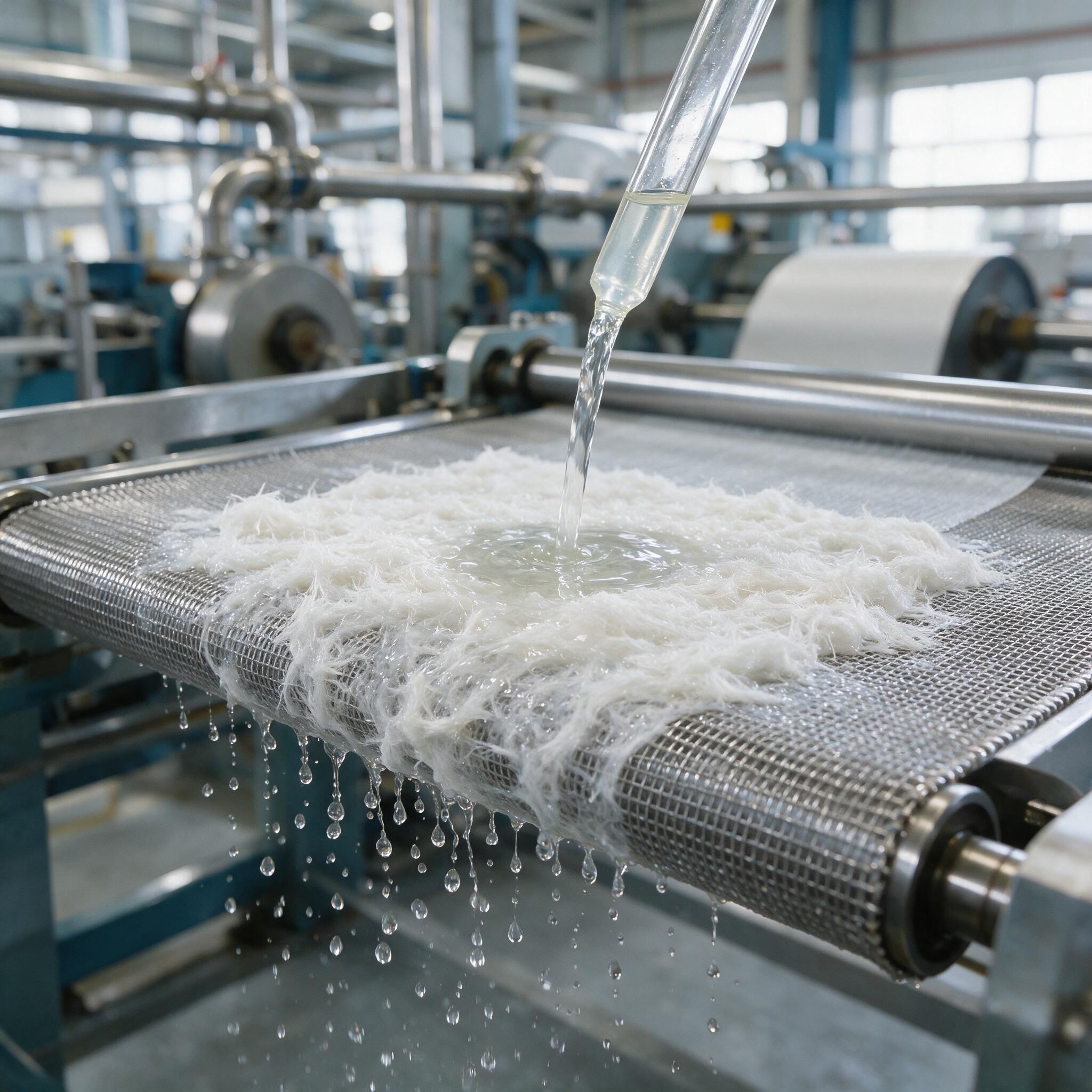
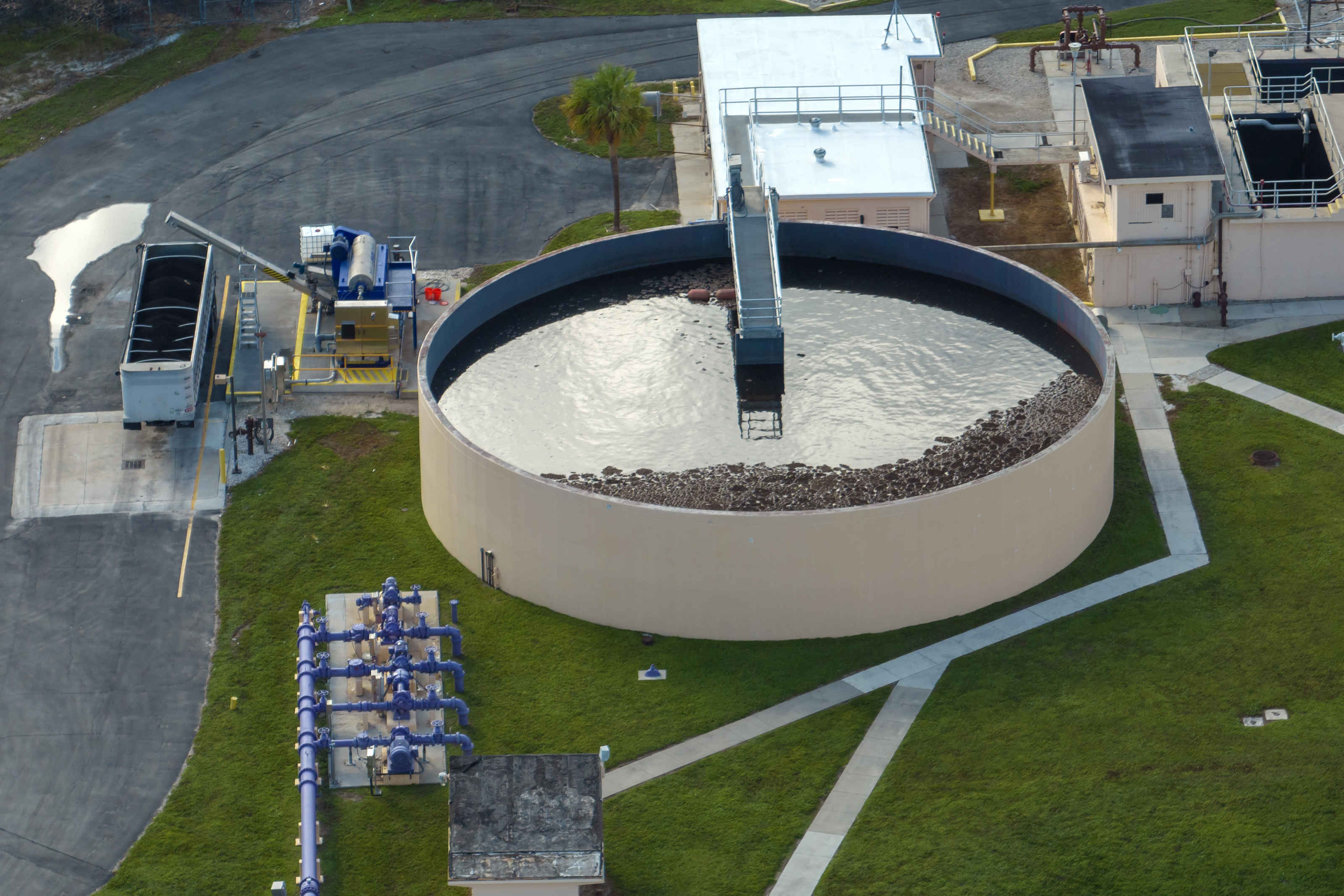
Floc water treatment is a critical process employed to remove suspended solids, organic materials, and colloids from water by aggregating them into larger particles called flocs. This process is essential in both municipal drinking water production and industrial wastewater treatment to meet safety and environmental standards. The efficiency of flocculation depends on several factors, including the choice of coagulant and flocculant, pH control, mixing intensity, and basin retention time. Coagulants neutralize the negative charges of particles, while flocculants, typically high-molecular-weight polymers, bridge these neutralized particles to form heavy flocs that settle rapidly under gravity.

Frequently Questions

What is floc water treatment and how does it work?

Floc water treatment is a chemical process used to remove suspended solids, turbidity, and contaminants from water. It involves the addition of coagulants and flocculants, which neutralize the electrical charges of particles and bind them together to form larger aggregate particles called flocs. These flocs are then easily removed via sedimentation, filtration, or dissolved air flotation. In practice, flocculation occurs in a two-step process: rapid mixing disperses the coagulant, and gentle stirring encourages particle collisions. The resulting flocs settle or float to the surface, enabling clean water extraction. This method is widely applied in drinking water treatment, wastewater treatment, and various industrial processes where water quality is crucial.
Several variables influence flocculation efficiency, including water pH, temperature, particle concentration, and the type and dosage of chemicals used. pH affects the charge neutralization and polymer structure; optimal pH ranges vary for different coagulants and flocculants. Temperature impacts reaction kinetics and viscosity, altering floc formation and settling velocity. The concentration and nature of particles dictate the required dosage and flocculant type. Additionally, mixing intensity and duration are critical: overmixing can shear grown flocs, while insufficient mixing underutilizes chemicals. Monitoring these parameters and adjusting dosing accordingly ensures high-performance floc water treatment.

Related Articles

Common Industrial Applications of Water Soluble Polymer

21

Jul

Common Industrial Applications of Water Soluble Polymer

Explore industrial applications of water soluble polymer technology. Feymer provides high-purity polymer solutions for water treatment, papermaking, and extraction.
View More
Anionic Polymer Sedimentation Effect in Mineral Waste Water

24

Jul

Anionic Polymer Sedimentation Effect in Mineral Waste Water

Improve mineral waste water sedimentation with advanced anionic polymer technology. Feymer provides high-performance solutions for efficient mining operations.
View More
How Does PDAC Function in Water Treatment?

03

Aug

How Does PDAC Function in Water Treatment?

Discover how PDAC functions in water treatment for superior coagulation and clarification. Feymer delivers advanced polymer solutions worldwide.
View More

Customer Testimonials

Martin Becker
Exceptional Efficiency and Reduced Costs

Feymer’s floc water treatment polymers have revolutionized our wastewater treatment plant. We process effluents from our pulp and paper mills with high color and turbidity levels. Their custom flocculant achieved 98% turbidity removal within minutes, compared to our previous chemical usage. We reduced our chemical costs by 40% due to lower dosages and decreased sludge handling. The AI dosing system we integrated has minimized manual adjustments and improved consistency. Feymer’s technical support was exceptional throughout the trial and scale-up. I highly recommend their solutions.

Elizabeth Carter
Sustainable and Effective for Municipal Use

Our municipality required a reliable and eco-friendly flocculation solution for drinking water production. Feymer provided a biodegradable flocculant that meets all our health and safety standards. The product performs exceptionally well even in winter when water temperatures are low. We observed stable floc formation and increased clarification capacity by 20% without major infrastructure changes. Feymer’s team offer impeccable after-sales service and even trained our operators on optimal dosing strategies. This partnership has enabled us to deliver safer water to our community while advancing our environmental objectives.

Get a Free Quote

Our representative will contact you soon.
0/1000
Innovative Polymer Chemistry for Unmatched Floc Strength

Innovative Polymer Chemistry for Unmatched Floc Strength

Feymer’s floc water treatment solutions are rooted in our pioneering development of functional monomers and water-soluble polymers. Our high-molecular-weight polymers feature precisely engineered molecular structures that enhance bridging and charge neutralization capabilities. This results in bigger, denser flocs that settle 30% faster than those from conventional flocculants. The increased floc strength allows for higher hydraulic loading rates in clarifiers and thickeners, increasing plant throughput without additional construction. Moreover, our polymers exhibit excellent shear resistance, maintaining integrity during pumping and mixing processes. These technological advancements translate directly into improved operational efficiency, lower energy consumption, and reduced footprint for our clients. Our research team continuously pioneers novel polymer architectures, such as branched and comb-like structures, to push the boundaries of flocculation performance.
Automated, Adaptive Control with AI Integration

Automated, Adaptive Control with AI Integration

Our commitment to digitalization sets us apart. By incorporating AI into floc water treatment, we provide platforms that autonomously adjust chemical dosing based on real-time water quality changes. These systems use sensors to measure turbidity, pH, flow, and even floc size distribution. Machine learning algorithms process this data to predict the optimal flocculant dosage, ensuring effluent gets within a targeted turbidity range consistently. This not only minimizes chemical waste but also reduces energy consumption by optimizing mixing and pumping schedules. The user-friendly dashboard offers remote access, enabling plant operators to monitor and adjust processes from anywhere. Over time, the AI learns the unique characteristics of the water source, further improving accuracy. This innovation reduces the reliance on chemical-driven expertise, lowers the risk of non-compliance, and delivers substantial cost savings.