Flocculation Chemicals & Polyacrylamides | Feymer

showlist/flocculation-chemicals, showlist/flocculation-chemicals, 
Inquiry
Inquiry
High-Performance Flocculation Chemicals for Water Treatment

High-Performance Flocculation Chemicals for Water Treatment

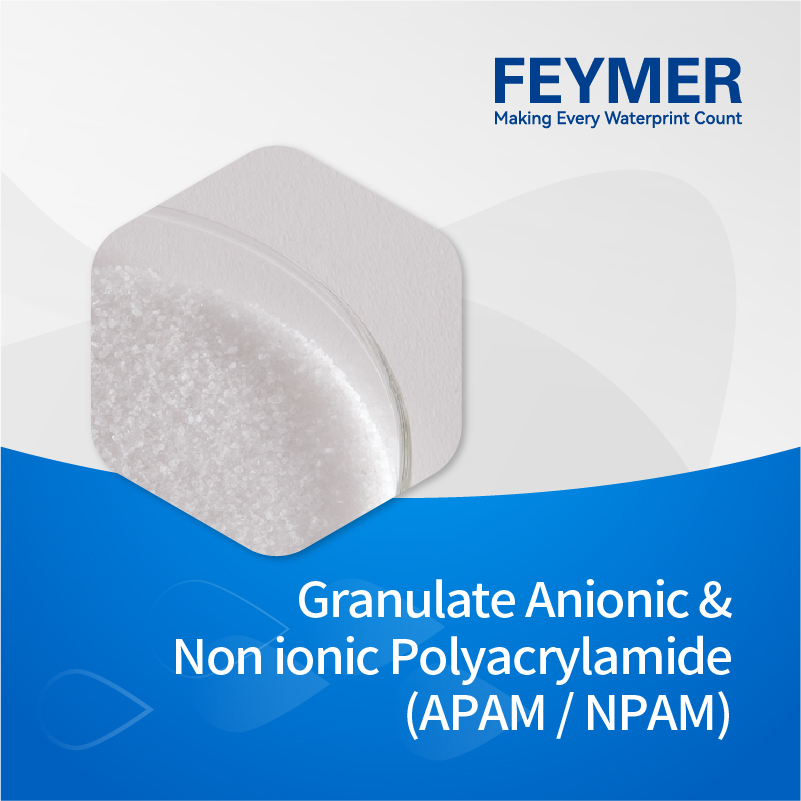
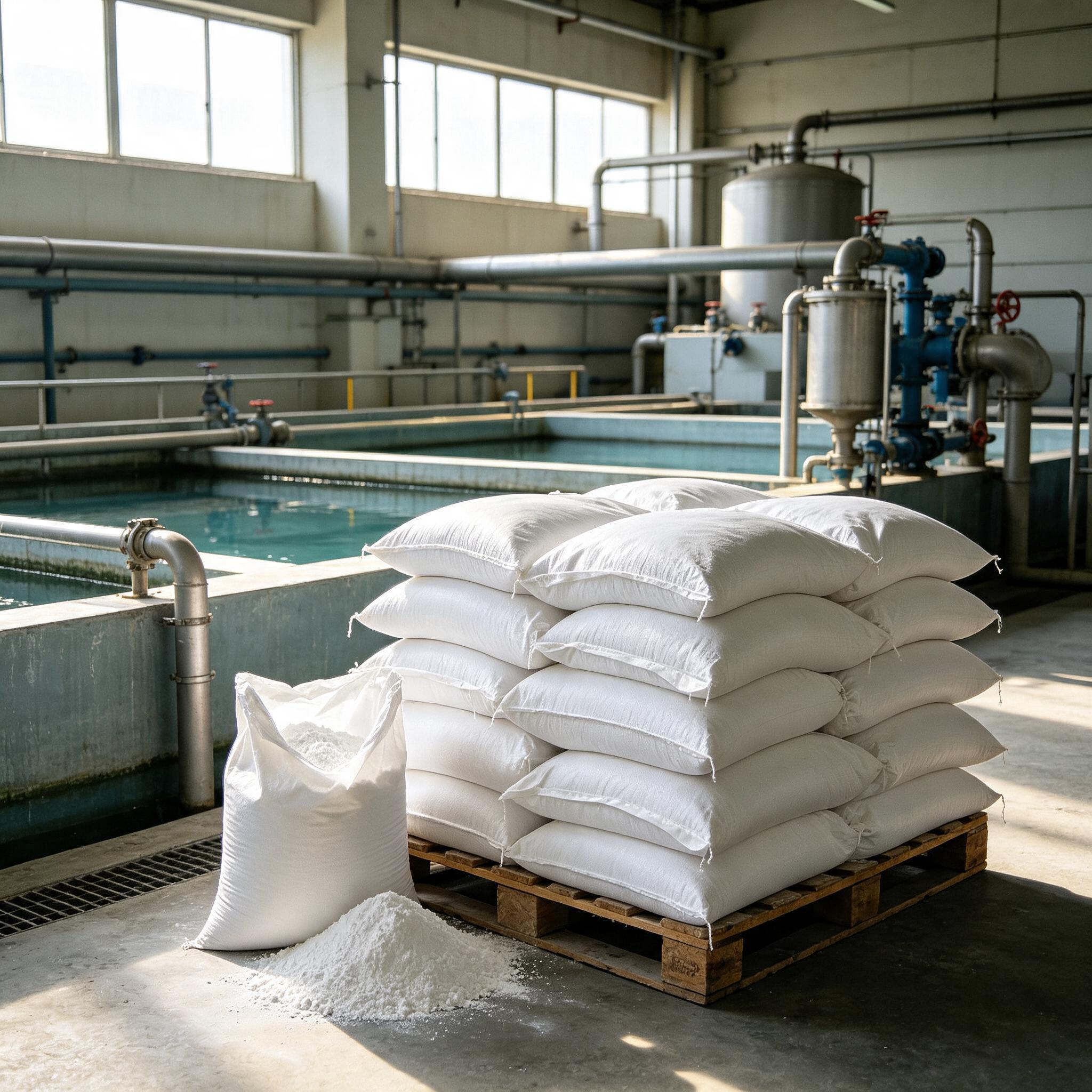
Flocculation chemicals are indispensable in modern water treatment, enabling the efficient removal of suspended solids, colloids, and contaminants from industrial and municipal water streams. Jiangsu Feymer Technology Co., Ltd. (688350), a high-tech water treatment company listed on China’s STAR Market, specializes in manufacturing advanced flocculation chemicals that meet rigorous international standards. Our product portfolio includes cationic, anionic, and nonionic polyacrylamides (PAMs), polydiallyldimethylammonium chloride (PolyDADMAC), and inorganic coagulants like polyaluminum chloride (PAC). These chemicals are engineered for high molecular weight, optimal charge density, and rapid floc formation, ensuring superior solid-liquid separation in diverse applications such as pulp and paper, oil & gas, textile dyeing, and municipal wastewater treatment. With three production bases and five factories across Jiangsu and Anhui, we ensure scalable supply and consistent quality.
Get A Quote

Advantages of the product

Superior Performance and Rapid Flocculation

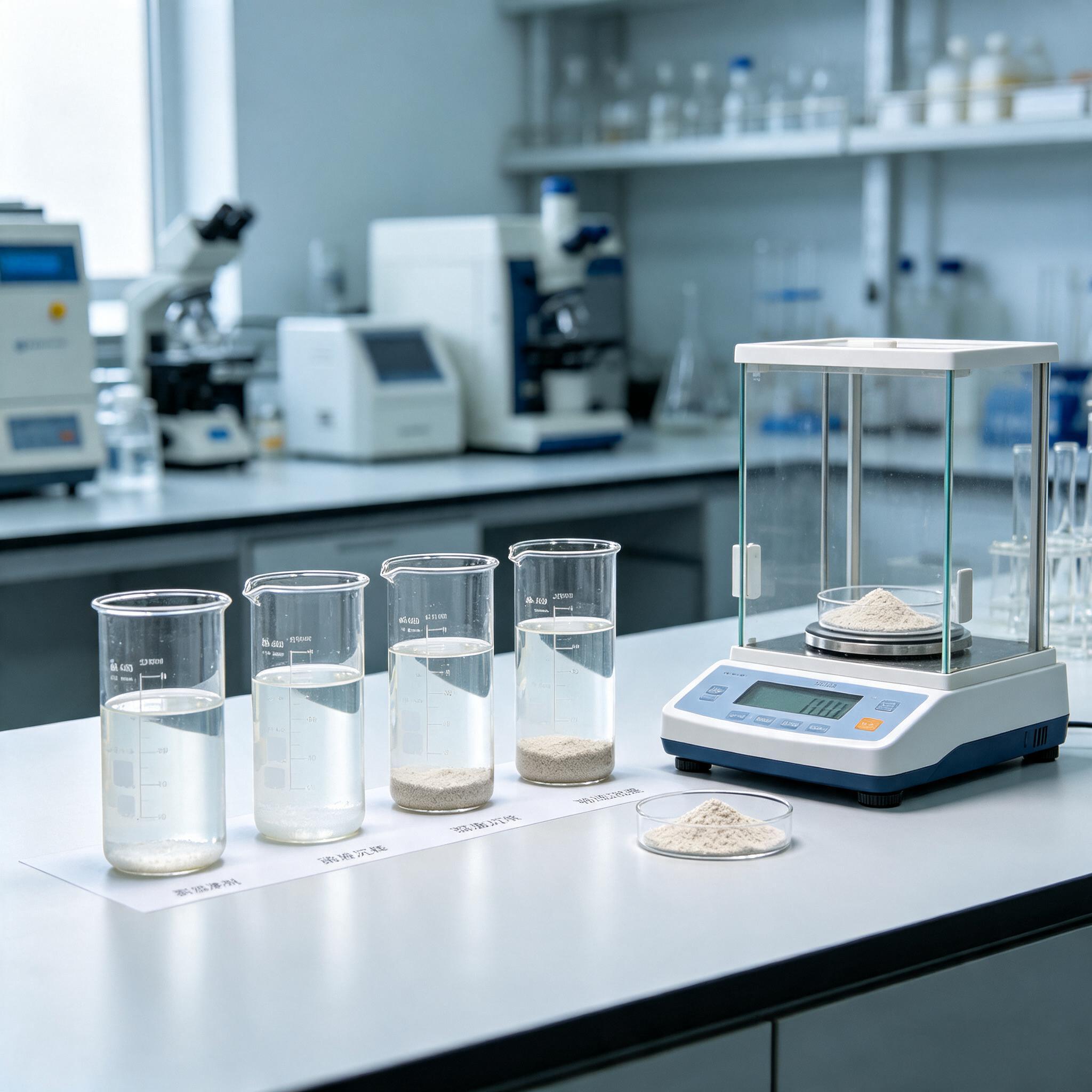
Our flocculation chemicals are designed with precisely controlled molecular weight and charge density, enabling faster particle bridging and aggregation. This results in significantly reduced settling times and enhanced clarity of treated water. Whether you are dealing with high turbidity raw water or complex industrial effluents, our products achieve optimal flocculation efficiency with minimal dosage.

Tailored Solutions for Diverse Industries

Every industry has unique water chemistry challenges, and one-size-fits-all chemicals often fall short. Our flocculation chemicals are customizable to match the specific characteristics of your water source and treatment goals. We collaborate with clients from pulp and paper, oil & gas, fine chemicals, textile dyeing, and municipal water plants to design solutions that address their particular contaminants, pH levels, and process conditions.

Sustainable and Cost-Effective Operations

Our flocculation chemicals are developed with sustainability in mind, reducing the environmental footprint of water treatment while enhancing economic efficiency. High-purity products mean lower dosages are required to achieve the same clarification effect, cutting chemical costs and decreasing sludge generation by up to 30%. This directly reduces disposal expenses and environmental impact. Moreover, our products are manufactured using green processes that minimize energy consumption and waste, aligning with global sustainability goals.

Flocculation is a critical process in water treatment that involves the aggregation of suspended particles into larger flocs, which can then be easily settled or filtered. Flocculation chemicals, such as polyacrylamides and inorganic coagulants, facilitate this process by neutralizing charges and forming bridges between particles. In industrial and municipal settings, effective flocculation is vital for meeting discharge standards and conserving water resources. At Jiangsu Feymer Technology, we recognize that each water source presents unique challenges, including varying turbidity, organic content, and chemical composition. Our flocculation chemicals are engineered to adapt to these conditions, offering versatility and high performance. For oily wastewater from petroleum refineries, our tailored anionic polymers work synergistically with inorganic coagulants to break emulsions and remove hydrocarbons.

Frequently Questions

How do flocculation chemicals work in water treatment?

Flocculation chemicals function by neutralizing the electrical charges on suspended particles, allowing them to come together and form larger aggregates called flocs. Most suspended solids in water carry a negative charge, which causes them to repel each other. By adding positively charged flocculants, such as cationic polyacrylamide or polyDADMAC, these charges are neutralized, and bridging mechanisms bring the particles into contact. The resulting flocs are heavier and can settle rapidly under gravity or be removed by filtration. Effective flocculation typically involves two stages: rapid mixing to disperse the chemical, followed by gentle agitation to encourage particle collision. Our Feyfloc series chemicals are engineered to achieve this efficiently with minimal dosage, ensuring clear effluent and reduced sludge volume.
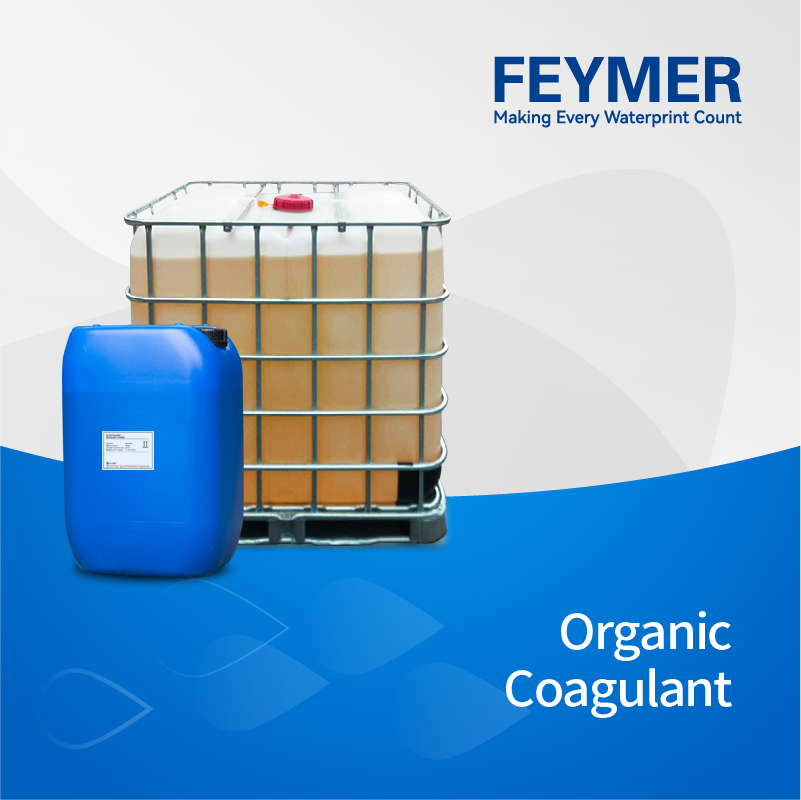
Inorganic coagulants, such as aluminum sulfate or ferric chloride, are typically used first in treatment to neutralize charges and form micro-flocs. They are effective at colloid destabilization but often require careful pH control and generate higher sludge volumes. Organic flocculants, including polyacrylamide (PAM) and polyDADMAC, are high-molecular-weight polymers that bridge these micro-flocs into larger, stronger aggregates, enhancing settling and filtration. They are more efficient at low dosages and work over a broader pH range. In advanced water treatment, these are often used together: coagulant for charge neutralization and polymer for flocculation. Our portfolio includes both inorganic and organic products, allowing us to design complete chemical regimens for optimal performance. We guide clients on the right combination to minimize costs and achieve regulatory compliance, while ensuring robust and reliable operation.

Related Articles

How Does Polyacrylamide Work in Papermaking Wastewater Treatment

20

Jul

How Does Polyacrylamide Work in Papermaking Wastewater Treatment

Optimize papermaking wastewater treatment with high-performance PAM. Feymer provides specialized flocculant solutions to enhance water recovery and reduce costs.
View More
How Does PDAC Function in Water Treatment?

03

Aug

How Does PDAC Function in Water Treatment?

Discover how PDAC functions in water treatment for superior coagulation and clarification. Feymer delivers advanced polymer solutions worldwide.
View More
How to Select Reliable Water Treatment Chemicals?

19

Aug

How to Select Reliable Water Treatment Chemicals?

Discover essential criteria for selecting water treatment chemicals to optimize system efficiency, reduce costs, and ensure compliance.
View More

Customer Testimonials

Markus Weber
A Reliable Partner for Consistent Water Quality

As a specialty chemical manufacturer, our production line yields variable wastewater quality. Feymer’s flocculation chemicals have been instrumental in stabilizing our effluent treatment. Before switching, we faced frequent discharge violations and high sludge charges. Their Flocfloc 8700 anionic polymer significantly improved our settling, reducing turbidity from 80 NTU to below 10 NTU. The technical team conducted jar tests and optimized the dosage to our exact water conditions. We’ve noticed a 25% reduction in polymer usage, resulting in annual savings. Delivery is always on time, and their customer support is responsive. I recommend Feymer for any company needing dependable, high-performance flocculants.

Teresa Green
Effective Solution for Municipal Sludge Dewatering

Our municipality faced challenges dewatering mixed sewage sludge, especially during rainy seasons. Traditional chemicals created high maintenance and polymer costs. We approached Feymer for a trial, and they provided a tailored cationic polyelectrolyte. The trial yielded remarkable results: cake solids increased from 18% to 22%, while polymer consumption dropped by 30%. Belt press throughput improved, allowing us to process more sludge in less time. The odor issues decreased due to faster handling. Feymer’s dedication to optimizing our system and training our operators was exceptional. The solution has proven stable over a year, making our water resource recovery facility more sustainable. We look forward to upgrading our chemical feed system with their assistance.

Get a Free Quote

Our representative will contact you soon.
0/1000
Advanced Polymer Synthesis Technology

Advanced Polymer Synthesis Technology

Our flocculation chemicals are manufactured in state-of-the-art facilities using cutting-edge aqueous polymerization techniques. We custom-synthesize monomers and control polymer architecture to create products with precise molecular weight, charge density, and branching. This technology allows us to engineer flocculants that outperform conventional products in terms of faster floc formation, higher shear resistance, and larger, denser flocs. Unlike standard grades, our polymers are designed to dissolve rapidly without agglomeration, ensuring efficient use and reducing manual labor. The result is a reduction in chemical dosage by up to 20% while achieving superior effluent clarity. This innovation is rooted in our extensive R&D investments, leading to patents in polymer production. With our capacity to scale production, we offer consistent quality for large-scale water treatment plants.
AI-Empowered Process Optimization Support

AI-Empowered Process Optimization Support

At Feymer, we go beyond chemical supply by integrating AI-empowered tools to enhance the performance of our flocculation chemicals. Our proprietary algorithms analyze historical and real-time water quality data to predict optimal flocculant dosage, pH adjustments, and mixing times. This prevents overdosing and ensures robustness even with fluctuating influent. When implementing our chemicals, we offer an optional AI-assisted control system that interfaces with your SCADA, providing real-time recommendations and automated adjustments. This reduces manual monitoring and minimizes human error. In a recent case with a textile manufacturer, the AI model lowered overall chemical use by 18% while maintaining effluent standards. Even without full integration, we provide periodic optimization reports based on data analytics, helping you fine-tune operations. This high-tech support distinguishes us as an innovation-driven partner, ensuring you achieve maximum ROI from Feymer products.