Textile Wastewater Chemicals & Coagulants | Feymer

showlist/textile-wastewater-chemicals, showlist/textile-wastewater-chemicals, 
Inquiry
showlist/textile-wastewater-chemicals, showlist/textile-wastewater-chemicals, 
Inquiry
Advanced Textile Wastewater Chemicals for Sustainable Treatment

Advanced Textile Wastewater Chemicals for Sustainable Treatment

In the textile industry, the management of wastewater is a critical environmental and operational challenge. Textile wastewater chemicals play a pivotal role in treating effluents laden with dyes, heavy metals, and organic pollutants. Jiangsu Feymer Technology Co., Ltd. (688350), a high-tech water treatment company founded in 2010 and listed on China’s STAR Market in 2021, offers advanced textile wastewater chemicals designed to meet rigorous environmental standards and enhance treatment efficiency. Our solutions are tailored to address the complexities of textile dyeing and finishing processes, ensuring compliance with international regulations while minimizing operational costs. With a strong emphasis on sustainability, we integrate innovative chemical formulations with membrane separation and AI-empowered monitoring systems. Our three production bases and five factories across Jiangsu and Anhui guarantee stable supply and consistent quality.
Get A Quote

Advantages of the product

High-Efficiency Flocculation and Coagulation

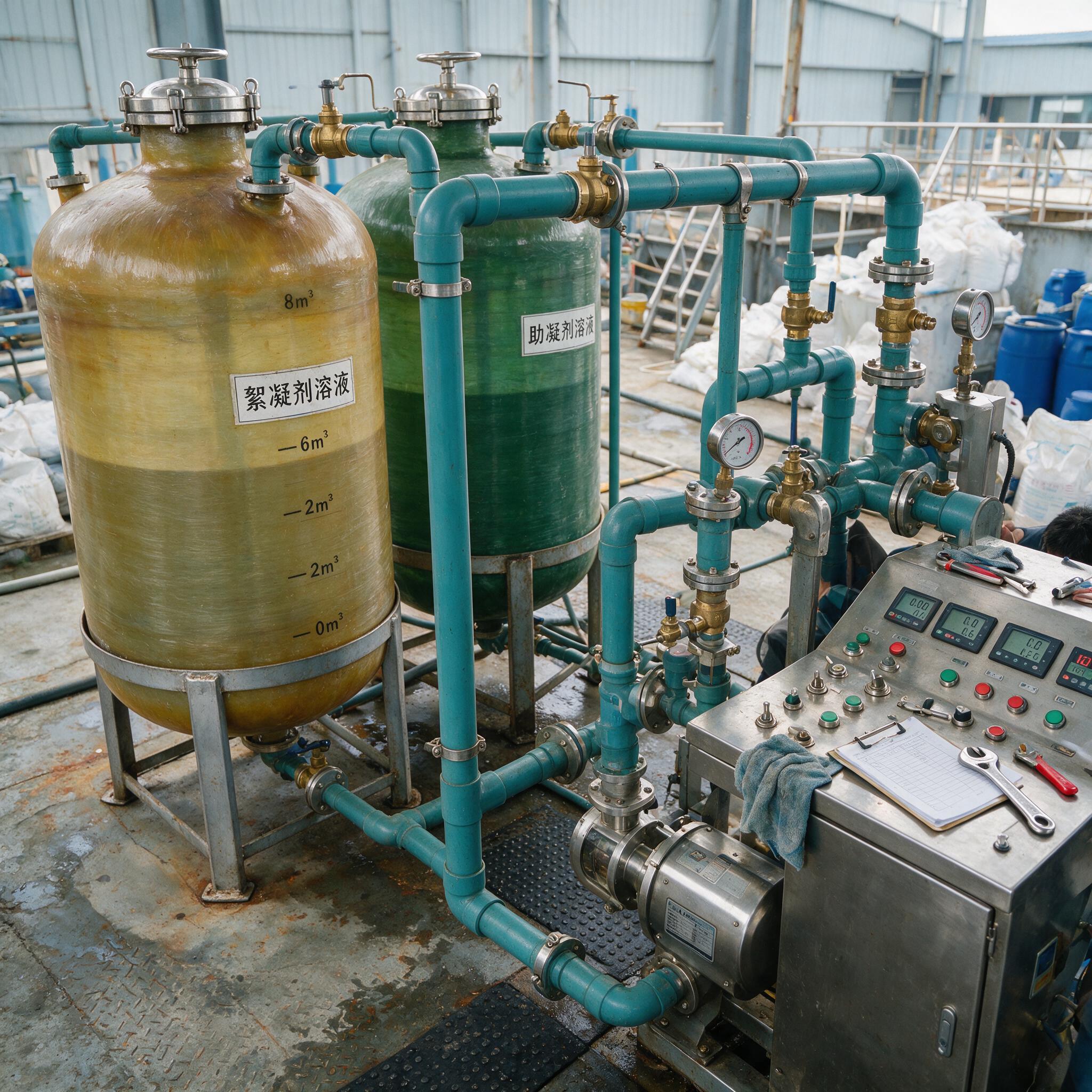
Our textile wastewater chemicals are engineered to achieve rapid flocculation and coagulation of suspended solids, dyes, and heavy metals present in textile effluents. By utilizing advanced polymers and copolymers, we achieve high charge density and molecular weight, which enhances the binding capacity and settling rate of particles. This results in clearer effluent, reduced sludge volume, and lower chemical dosage compared to conventional treatment. Our products are effective across a wide pH range and are compatible with various dye classes, including reactive, acid, and disperse dyes.

Tailored Solutions for Diverse Textile Processes

Recognizing that each textile manufacturing process generates unique wastewater characteristics, we provide customized chemical programs tailored to specific dyes, fabrics, and production techniques. Our technical team conducts thorough wastewater analysis and offers on-site trials to determine the optimal chemical blend, dosage, and application points. Whether it’s high-strength effluent from batch dyeing or continuous washing, our products are designed to perform under various temperatures, salinities, and organic loads.

Eco-Friendly and Cost-Effective Operations

Our textile wastewater chemicals are formulated with sustainability in mind, reducing environmental impact while delivering economic benefits. We prioritize the use of biodegradable and low-toxicity ingredients, minimizing the ecological footprint of the treatment process. Moreover, our high-performance chemicals require lower dosages, leading to reduced chemical handling, storage, and disposal costs. Enhanced sludge settling and dewatering properties lower sludge disposal volumes and expenses.

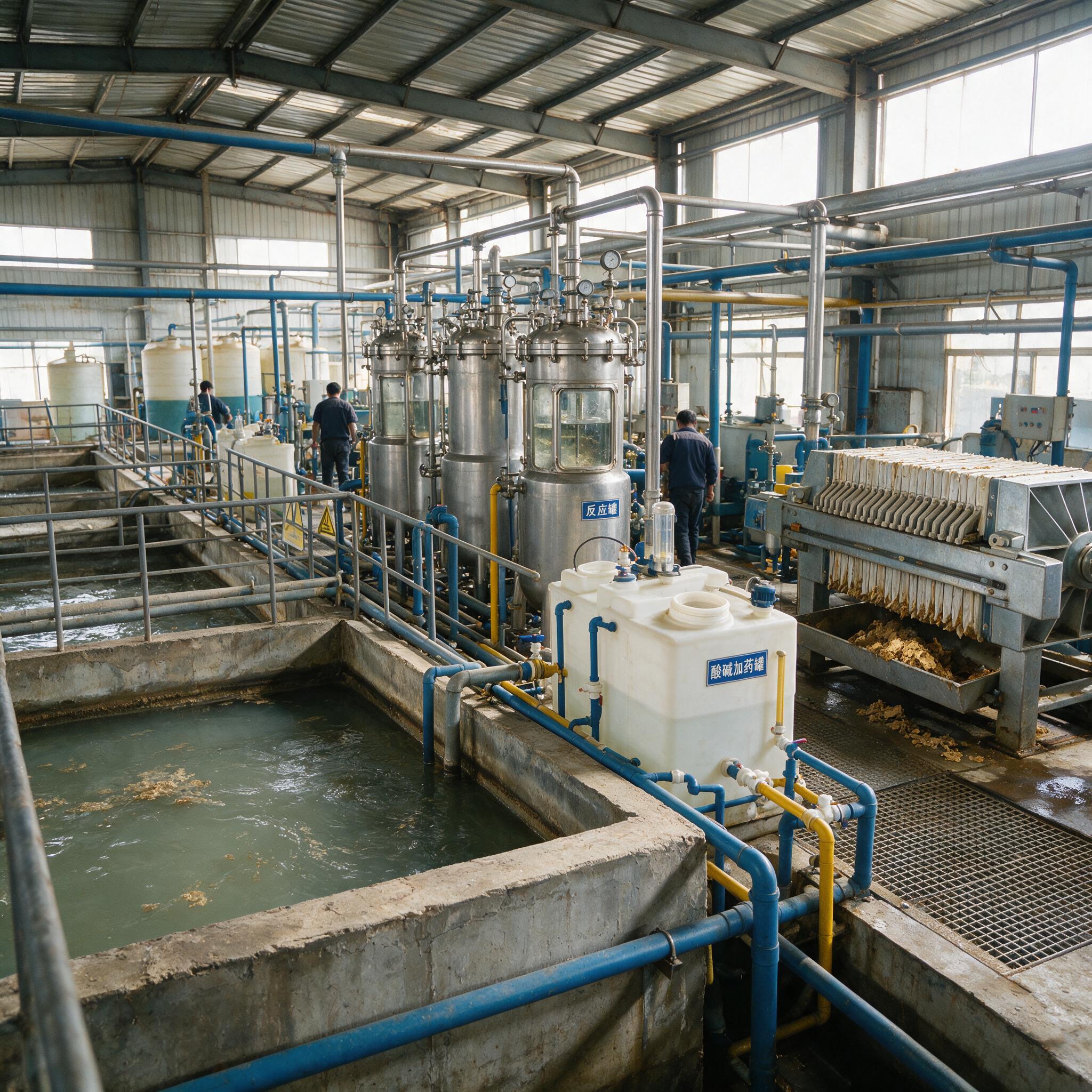
The treatment of textile wastewater is a complex process that requires a comprehensive understanding of the pollutants involved, including volatile organic compounds, synthetic dyes, and auxiliary chemicals used during processing. Traditional methods often fail to achieve the required removal efficiencies, leading to environmental pollution and regulatory penalties. Advanced textile wastewater chemicals, such as those developed by Jiangsu Feymer Technology, are essential for effective treatment. These chemicals operate through mechanisms like charge neutralization, bridging flocculation, and adsorption, effectively aggregating fine particles that are otherwise difficult to remove. The chemical structure of these polymers is designed to interact with the hydrophobic and hydrophilic components of dyes, enabling efficient decolorization. In addition, they aid in the removal of heavy metals by forming stable complexes.

Frequently Questions

What are textile wastewater chemicals and why are they essential?

Textile wastewater chemicals are specialized substances used in the treatment of effluents generated during textile manufacturing processes such as dyeing, printing, and finishing. These chemicals are essential because textile wastewater contains high concentrations of dyes, pigments, organic compounds, and heavy metals that are harmful to the environment if discharged untreated. The primary function of these chemicals is to facilitate the removal of pollutants through coagulation, flocculation, sedimentation, and pH adjustment. They help in aggregating suspended solids into larger particles that can be easily separated, thus clarifying the water. In addition to treating pollutants, these chemicals aid in adjusting the pH level, reducing color, and controlling odor. Without them, it would be challenging to meet environmental regulations and safely dispose of or reuse water.
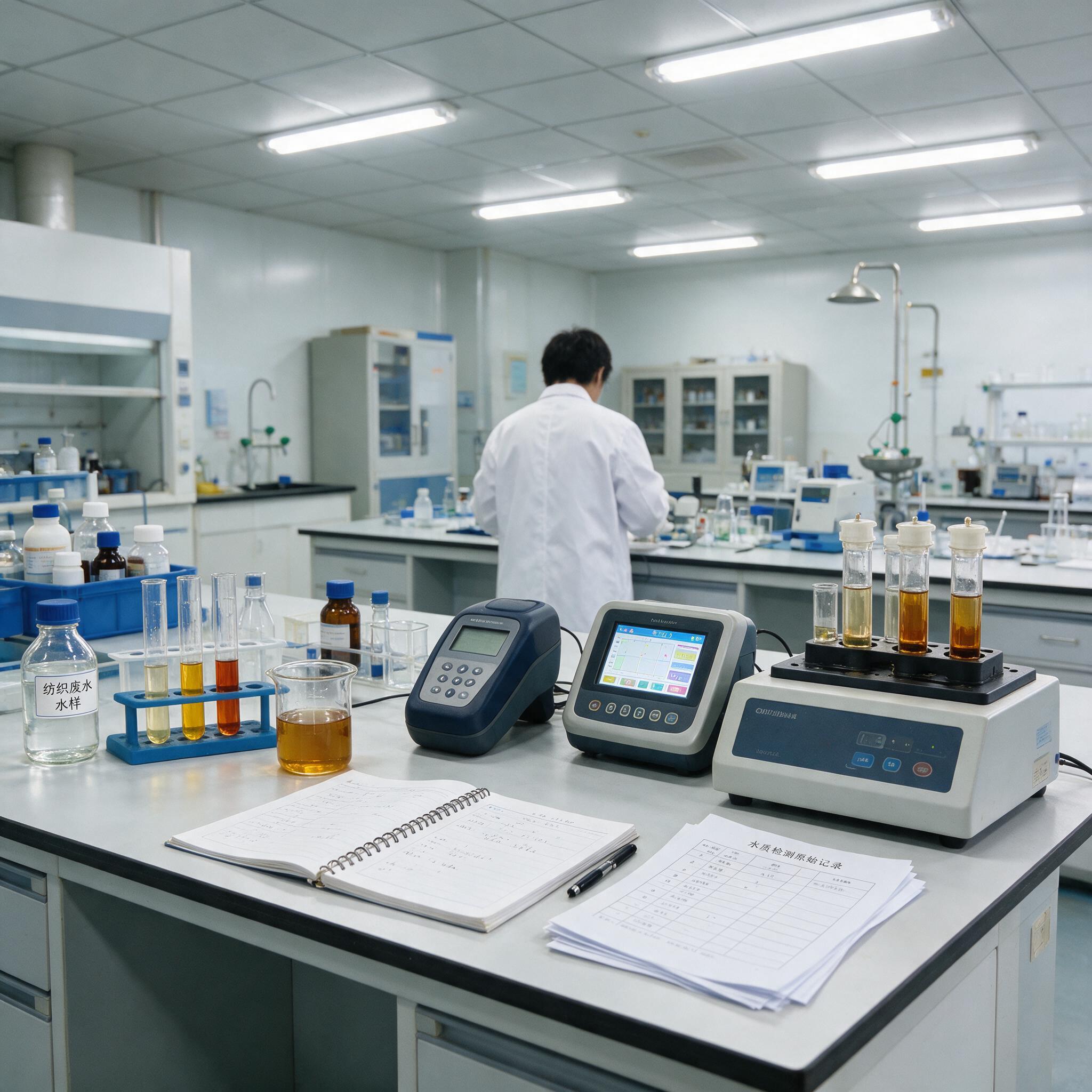
Selecting the appropriate textile wastewater chemicals for your plant requires a thorough analysis of your wastewater characteristics, including pH, temperature, total suspended solids (TSS), chemical oxygen demand (COD), biological oxygen demand (BOD), and the types of dyes and chemicals used in your processes. A comprehensive water quality assessment is the first step. This helps in determining the required dosage and the optimal chemical type. For high-color wastewater, decolorizing agents may be needed, while for high-oil content, demulsifiers could be necessary. Your discharge standards and potential for water reuse also influence the choice. It is recommended to collaborate with a technical expert like Feymer’s team. We provide comprehensive support, from wastewater analysis to lab and on-site trials, to develop a customized treatment program.

Related Articles

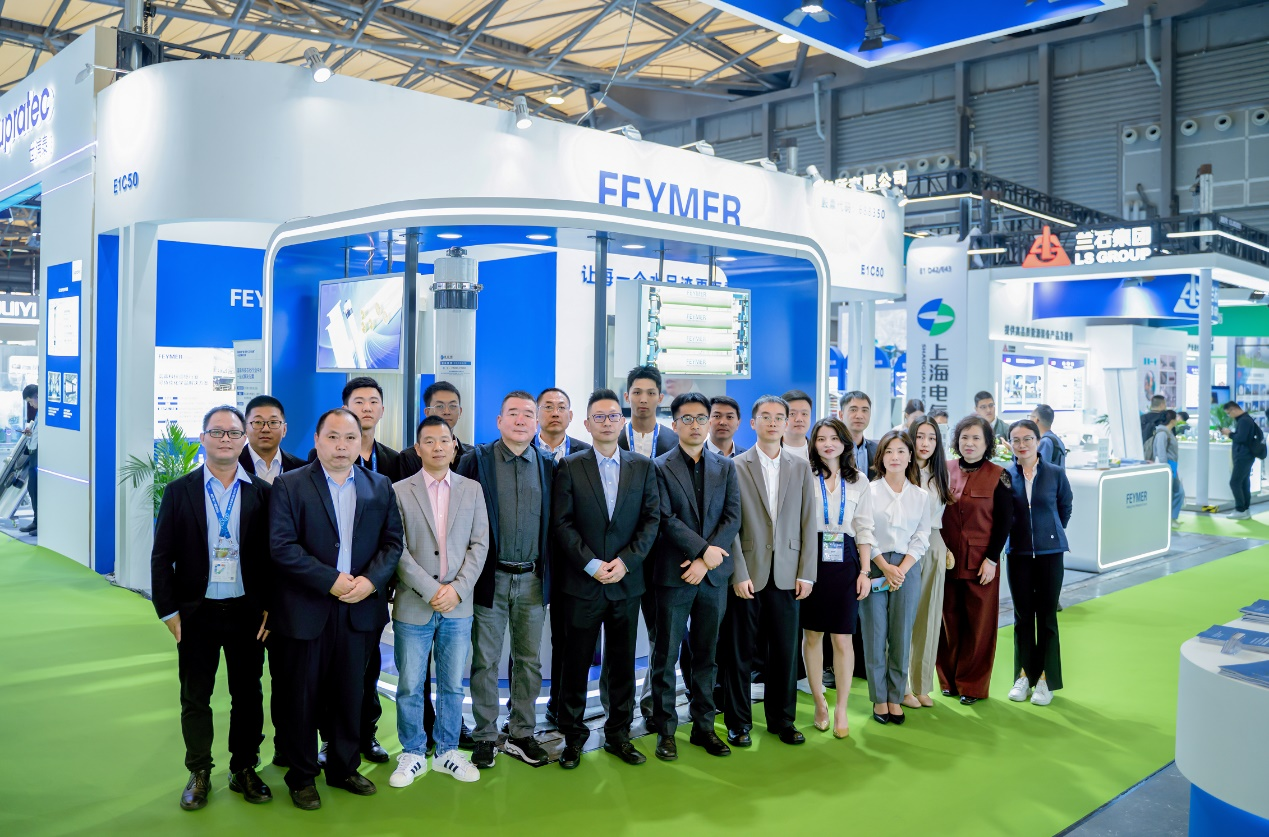
Feymer Debuts at the 27th IE expo Shanghai, Our One-stop Water Solutions Win Wide Recognition

13

Jul

Feymer Debuts at the 27th IE expo Shanghai, Our One-stop Water Solutions Win Wide Recognition

Explore Feymer's professional one-stop water treatment solutions showcased at IE expo. Efficient, sustainable industrial water processing for your facility.
View More
Anionic Polymer Sedimentation Effect in Mineral Waste Water

24

Jul

Anionic Polymer Sedimentation Effect in Mineral Waste Water

Improve mineral waste water sedimentation with advanced anionic polymer technology. Feymer provides high-performance solutions for efficient mining operations.
View More
Classification of Common Industrial Water Treatment Chemicals

27

Jul

Classification of Common Industrial Water Treatment Chemicals

Explore common water treatment chemicals and their classifications. Feymer provides advanced solutions to optimize industrial water management and efficiency.
View More

Customer Testimonials

Maria Lopez
Exceptional Efficiency and Expert Support

Feymer’s textile wastewater chemicals transformed our treatment plant’s performance. Before using their products, we struggled to meet discharge limits due to high color and COD. Their team conducted a comprehensive analysis of our effluent and tailored a chemical program that reduced our color removal by 98% within weeks. The dosage was optimized, reducing our annual chemical costs by 20%. Their ongoing technical support is outstanding—they provide regular water quality monitoring and are always available to adjust our processes. Partnering with Feymer not only ensured compliance but also saved our company significant money.

Ahmed Hassan
Sustainable Solution that Meets Our Green Goals

We chose Feymer because of their commitment to sustainability. Their chemicals are less toxic and biodegradable, which aligns with our corporate environmental responsibility. Their advanced flocculants enabled us to increase water reuse by 25%, significantly reducing our freshwater intake. The entire process became more stable, and we achieved a 50% reduction in sludge volume—a huge cost saving. Additionally, their technical experts provided training to our staff, ensuring smooth operation. Feymer’s products are top-notch, and their customer service is equally impressive. We highly recommend them to any textile manufacturer looking for reliable and eco-friendly wastewater treatment solutions.

Get a Free Quote

Our representative will contact you soon.
0/1000
Cutting-Edge Polymer Technology

Cutting-Edge Polymer Technology

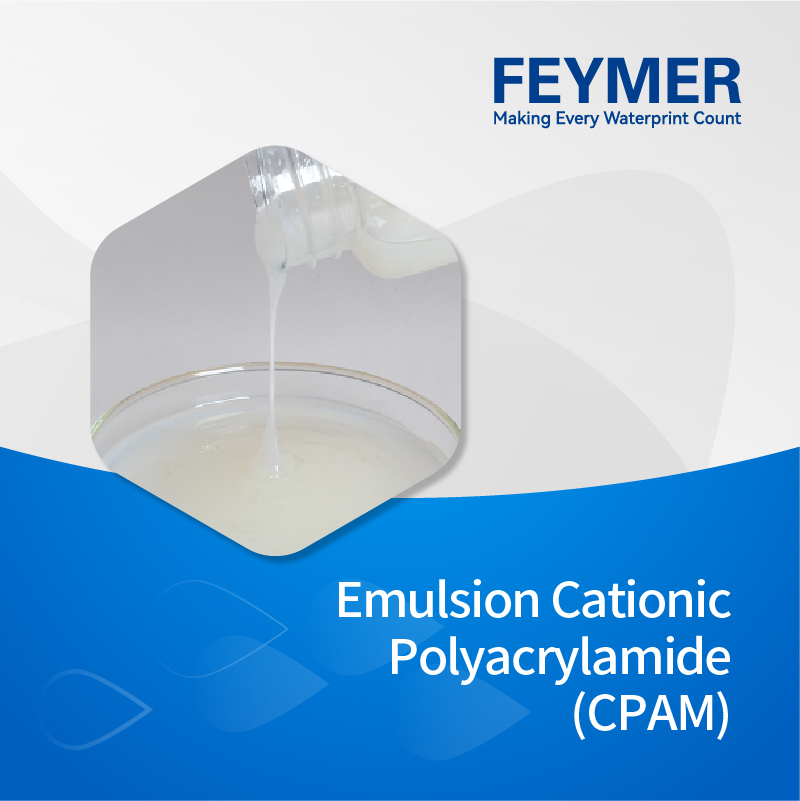
Feymer leverages advanced polymerization technologies to produce textile wastewater chemicals with exceptional performance. Our in-house research and development center is dedicated to synthesizing polymers with controlled molecular weight, charge density, and structure, enabling targeted interactions with contaminants. We use proprietary initiator systems and reactors that allow precise replication of high-quality products. This technological edge ensures that our chemicals achieve superior flocculation, rapid settling, and high sludge dewatering efficiency. For instance, our cationic polyacrylamide (CPAM) series is used for sludge conditioning in textile effluents and has demonstrated a 30% increase in cake solids compared to conventional polymers. By continuously improving our polymer chemistry, we help clients stay ahead in treatment efficiency and regulatory compliance.
Integrated Treatment Solutions with AI

Integrated Treatment Solutions with AI

At Feymer, we go beyond just supplying chemicals; we provide an integrated solution that incorporates artificial intelligence (AI) for optimal process control. Our AI-empowered systems monitor key parameters such as pH, turbidity, and flow rate, and automatically adjust chemical dosing in real time. This smart dosing ensures that the exact amount of chemical is used at all times, eliminating waste and maximizing efficiency. For example, in a textile dyeing plant, our AI system can predict changes in effluent load during batch processes and preemptively alter dosage trajectories, reducing reaction time and improving effluent consistency. This integration leads to significant cost savings—clients typically see a 15% reduction in chemical usage and a 20% decrease in energy consumption due to optimized mixing and settling conditions. Moreover, AI analytics provide actionable insights into process trends, allowing preemptive maintenance and minimizing downtime.